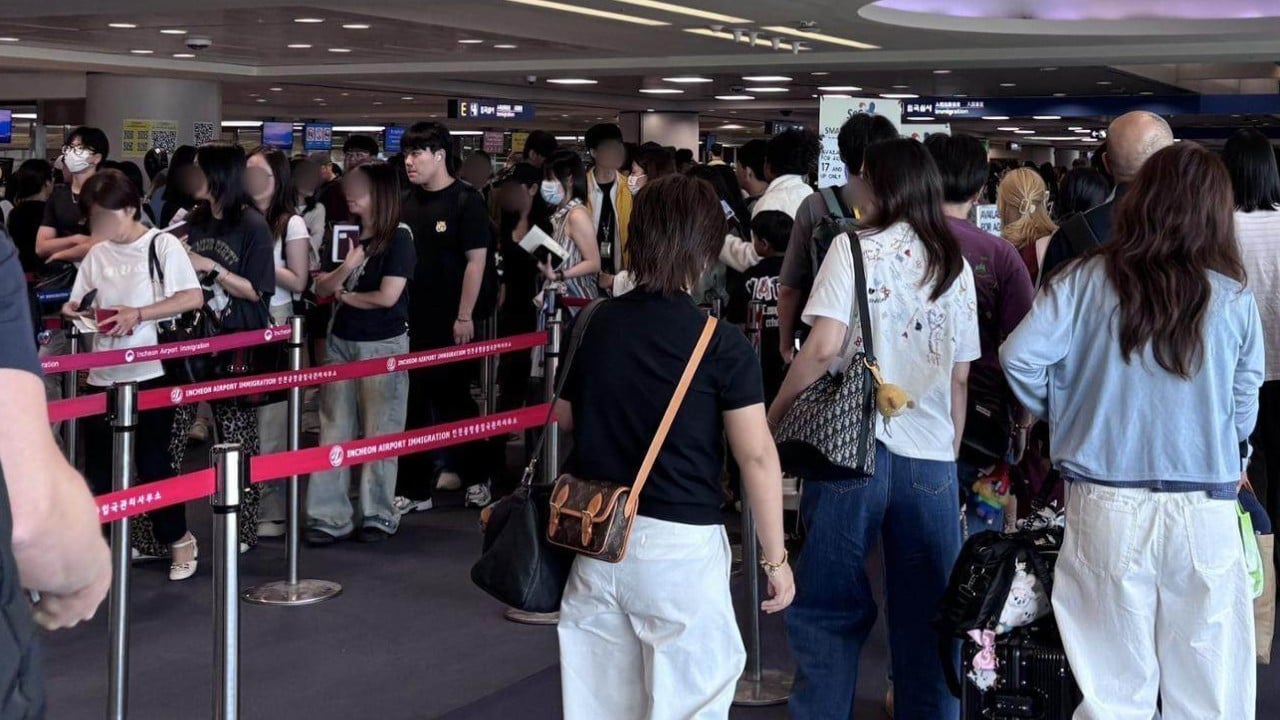
The metal zipper on my suitcase gave a final, desperate groan before the teeth locked. It was five past four in the morning, the hour when the world belongs entirely to bakers, stray cats, and people making poor life choices at airport check-in counters. I pressed my knee into the canvas lid, forcing the overstuffed fabric to compress another half-inch, praying to the gods of weight limits that my bag wouldn't trigger the dreaded red light at the gate.
We have all been there. That universal dance of modern transit: the frantic midnight packing, the ruthless pruning of extra shoes, the strategic rolling of t-shirts to squeeze every cubic centimeter of utility out of a piece of fabric designed to fit into a standardized metal box. We call it freedom. We call it traveling light.
Or at least, we did.
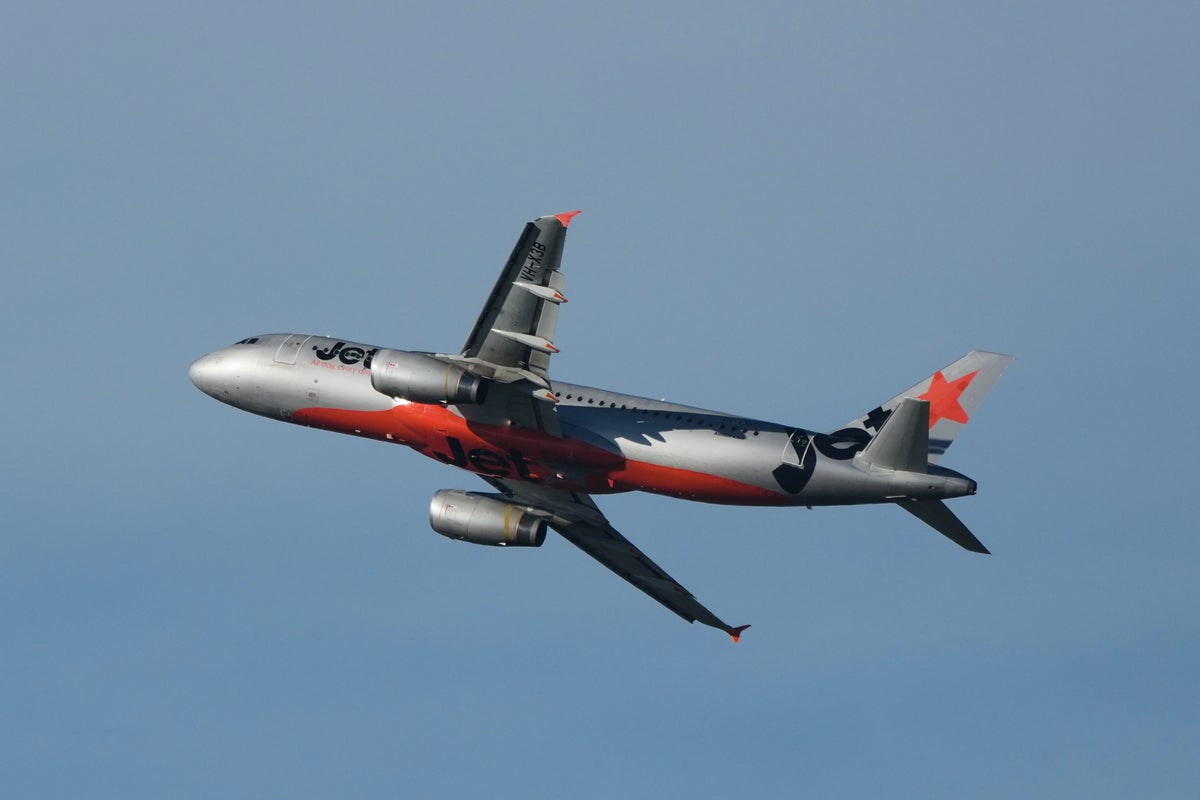
Now, the math is changing. Across the Pacific, a quiet shift is rewriting the economics of motion. An Australian airline has decided that the humble carry-on bag stowed safely above our heads is no longer a birthright of the ticketed passenger, but a luxury item subject to a toll. Overhead lockers, once a contested commons where we jammed our coats, our backpacks, and our fragile cargo, are becoming monetized real estate.
Consider what happens next.
You arrive at the gate. Your ticket was cheap—hypothetically cheap, the kind of fare that draws you in with a bold, sun-drenched number on a search engine. But as you step toward the jet bridge, a gate agent points a digital scale at your nylon companion. The bag is too heavy. Or perhaps it simply occupies space that someone else paid an extra twenty dollars to claim. Suddenly, the low-cost facade dissolves. You are standing in a queue, fumbling for a credit card, while fifty people behind you shift their weight from foot to foot, breathing a collective sigh of synchronized irritation.
This is not just about baggage fees. It is a fundamental redesign of how we move through the world.
For decades, the carry-on bag was our protective armor against the indignities of modern aviation. Checked bags vanished into the labyrinth of conveyor belts, lost forever in the Bermuda Triangles of transit hubs. Checked bags meant waiting thirty agonizing minutes at a carousel, staring at identical black suitcases loop past while your connecting train ticket ticked closer to expiration. Carrying your own bag was a declaration of independence. You packed it, you hoisted it, you guarded it with your life, and you carried it off the plane straight into the sunshine.
Now, airlines are squeezing the air out of that independence.
The strategy is deceptively simple. By decoupling the fare from the overhead bin space, carriers create a tiered reality. There are the flyers who pay for the privilege of breathing room, and there are the rest of us—the budget optimizers, the weekend backpackers, the families trying to shave every possible dollar off a cross-country flight—who are nudged, one fee at a time, into traveling lighter, smaller, and quieter.
To understand why this is happening, you have to look at the physics of the modern airplane cabin.
Picture a narrowbody jet. It seats roughly one hundred and eighty people. Modern anthropology tells us that the average human being traveling for more than forty-eight hours requires a rectangular prism of clothing and toiletries roughly the size of a small dog. Multiply that by one hundred and eighty. Now try to fit all of those prismatic dogs into the metal bins lining the ceiling.
It fails. It always fails.
Boarding grinds to a halt because a retired couple from Brisbane is trying to force a suitcase designed for a transatlantic ocean liner into an overhead compartment meant for a briefcase. The queue stalls in the aisle. Passengers sigh. Flight attendants develop that specific, thousand-yard stare unique to aviation workers who have spent a decade explaining that wheels must go in first.
The airlines looked at this chaos and saw a logistical nightmare. Then, they saw a revenue stream.
If you charge for overhead space, people stop bringing giant rolling suitcases. They switch to backpacks. They pack fewer outfits. They check their bags in advance because the penalty for carrying them on becomes higher than the fee for surrendering them. The boarding process speeds up. The plane pushes back from the gate three minutes earlier. Multiply those three minutes across thousands of flights a day, and millions of dollars materialize out of thin air.
Efficiency is a cold god. It does not care about your sore shoulder or your reluctance to let strangers hurl your suitcase down a metal chute beneath the fuselage.
I remember the first time I watched a low-cost carrier enforce a strict bag policy in Europe. It was a chaotic scene reminiscent of a cattle auction. Travelers were frantically unzipping backpacks, putting on three layers of sweaters in the middle of a July heatwave just to reduce the weight of their luggage. A young woman was crying softly by the ticket podium because her canvas duffel was two centimeters too wide for the metal sizing cage. Her ticket had cost thirty euros; the fine for her bag was fifty. The math was cruel, and the enforcement was absolute.
That future is no longer isolated to budget backpacker routes. It is creeping into mainstream aviation.
When an Australian airline introduces fees for overhead lockers, it normalizes a new baseline of expectation. First, it is the overhead bin. Next, it will be the seat pocket. Soon, we will pay by the pound for the privilege of existing in a metal tube at thirty-thousand feet, our bodies weighed and measured like livestock at a county fair.
We accept this because we love to travel. We accept this because the promise of seeing a new city, hugging an old friend, or standing on a foreign shore outweighs the petty humiliations of the modern terminal. Airlines know this. They know that our wanderlust is an infinite resource, easily tapped and endlessly resilient.
Yet, there is a quiet sadness in watching the democratization of the skies slowly morph back into a class system.
The wealthy business traveler glides past with a tailored garment bag, untouched by the scramble for bin space. Meanwhile, the student, the freelance writer, and the multigenerational family are left calculating whether an extra pair of socks is worth a twenty-dollar surcharge. We are nickel-and-dimed into a state of perpetual hyper-awareness, where every physical object we bring with us is a potential liability.
Perhaps the answer isn't fighting the airlines. Perhaps the answer is changing how we think about the journey itself.
If the overhead bin is no longer ours by right, maybe we should stop trying to bring our entire lives with us into the cabin. Maybe there is a strange, minimalist freedom in traveling with only what can fit beneath the seat in front of you—a single book, a laptop, a change of clothes rolled tight as a cigar. Maybe the carriers are accidentally curing us of our hoarding habits, forcing us to realize that we do not need half the things we pack.
Or maybe that is just a comforting lie we tell ourselves to feel better about paying an extra forty dollars to store a fleece jacket over our heads.
Either way, the next time you stand at the gate, watching the red light flash on the ticket scanner, remember the math. Remember the metal cages. Remember that every inch of space in the modern world has a price tag attached to it, waiting for someone willing to pay.
The boarding music plays over the intercom, tinny and cheerful, urging us forward down the ramp. I pull the straps of my backpack tight against my shoulders, take a deep breath, and step into the queue.