The engine doesn’t roar anymore; it wheezes. It is 4:00 AM in a cramped garage in Quezon City, and Cardo is wiping a thick layer of grease from a chrome hood that has seen three decades of tropical sun and monsoon rain. His jeepney, painted with neon-colored saints and the names of his children, is more than a vehicle. It is a family member. It is his bank account. It is the only thing standing between his youngest daughter and a missed tuition payment.
But the Philippine government says Cardo’s "King of the Road" is a relic. They call it a pollutant. They call it a chaos factor in a modernizing world. Under the Public Utility Vehicle Modernization Program (PUVMP), the iconic, smoke-belching jeepney is being phased out in favor of sleek, white, air-conditioned mini-buses that look like they belong in a sterile suburb of Zurich rather than the grit of Manila.
The conflict isn't just about engines. It is about who owns the streets.
The Mathematics of Displacement
To understand why thousands of drivers are walking away from their steering wheels and onto the picket lines, you have to look at the ledger. A traditional jeepney—built by local craftsmen using surplus engines—costs roughly 200,000 to 600,000 pesos. It is affordable. A driver can own it outright after a few years of hard labor.
The modern replacements? They carry a price tag of over 2.5 million pesos ($45,000).
Consider the math of a man like Cardo. He earns perhaps 500 to 800 pesos on a good day after paying for diesel. To afford a modern unit, he is required to join a cooperative, essentially surrendering his individual franchise—his independence—to a collective entity. He must then help the group service a debt that feels like a mountain. If the cooperative fails, he loses everything.
The government offers a subsidy to help with the transition, but it is a drop in a very large bucket. Imagine being told you must trade in your reliable, paid-off 2010 sedan for a 2024 luxury electric SUV, and while the government will give you a few thousand dollars, you are responsible for the remaining hundred thousand. Now imagine you make five dollars an hour.
That isn't a "modernization" plan. For many, it's an eviction notice.
The Invisible Stakes of a Commute
The jeepney is the capillary system of Philippine society. While the light rail systems (LRT and MRT) act as the arteries, they are often broken, overcrowded, or simply too far from where people actually live. The jeepney goes where the train cannot. It enters the narrow, winding alleys of the barangays. It stops exactly where the passenger taps a coin on the metal roof.
Para po. (Stop here, please.)
When these vehicles are removed, the impact ripples outward. If the number of units on the road drops because drivers cannot afford the new models, the queues at the terminals grow. The 30-minute commute becomes two hours. The office worker loses sleep; the student loses study time; the street vendor loses customers.
The government argues that the new buses are safer and "greener." They aren't wrong about the pollution. Manila’s air is a thick soup of particulate matter, much of it spewed from the Euro-2 engines of aging jeepneys. But there is a cruel irony in asking the poorest sector of society to bear the primary financial burden of the country’s climate goals.
The Cooperatives and the Loss of Identity
The modernization program mandates "industry consolidation." This sounds like a boardroom buzzword, but on the ground, it means the end of the "owner-operator."
For sixty years, the jeepney was the ultimate symbol of Filipino entrepreneurship. After World War II, when American troops left behind thousands of Willys MB jeeps, Filipinos didn’t scrap them. They stretched them. They added benches. They painted them with vibrant folk art. They turned a machine of war into a vessel of community.
By forcing drivers into cooperatives, the state is effectively corporatizing the road. Decisions about routes, maintenance, and schedules shift from the driver to a management board. The "King of the Road" is being demoted to a mere employee, often working longer hours for a fixed wage that doesn't account for the rising cost of rice.
The protests aren't just about the money. They are a defense of a culture. When a driver paints "God Bless Our Trip" on his dashboard, he isn't just decorating; he is claiming a space in an economy that often tries to make him invisible.
The Ghost of Modernity
Supporters of the phase-out point to the gleaming cities of Singapore or Tokyo. They ask: "Don't we deserve better? Don't we deserve air-conditioning and GPS tracking?"
The answer is yes. Every Filipino deserves a dignified commute. But dignity cannot be built on the ruins of a person’s livelihood.
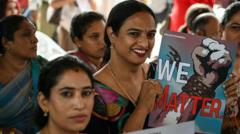
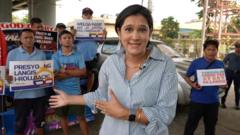
In the protests that have paralyzed the capital's main arteries, the signs don't just ask for higher fares. They read: No to Individual Franchise Revocation. They read: Livelihood, Not Loans.
The real problem lies in the implementation. It is a top-down solution for a bottom-up world. By setting hard deadlines for consolidation, the state created a pressure cooker. Thousands of drivers faced a choice: sign away your independence or lose your right to drive on January 1st.
Imagine the silence in a house when the father, who has driven the same route for twenty years, sits at the kitchen table because his papers are no longer valid. The "modern" buses aren't there yet to pick up the slack. The old ones are banned. The passenger is left standing on the curb, looking at an empty street.
A Way Forward Without Erasure
Modernization doesn't have to be a massacre of the old ways.
There are voices—engineers, urban planners, and the drivers themselves—suggesting a "Middle Path." Why not retrofit the existing jeepneys with cleaner engines? Why not support local manufacturers like Francisco Motors, who have developed electric versions of the iconic jeepney that maintain the classic silhouette?
This would preserve the cultural heritage while meeting environmental standards. It would keep the profit in the hands of the workers rather than funnelling it toward foreign manufacturers of expensive mini-buses.
But the government has remained largely inflexible. They see the traditional jeepney as a symbol of a backward past that must be purged to attract foreign investment and project an image of a "New Philippines."
The Last Trip
The sun is high now, and the heat in Manila is a physical weight. Cardo isn't driving today. He is standing on a sidewalk in Mendiola, holding a cardboard sign. Around him, the air is filled with the chanting of his peers and the smell of burning rubber.
He looks at the line of police shields and then back at the dusty road. He remembers the faces of his regular passengers: the fish vendor who always gave him an extra piece of tilapia, the nurse who slept with her head against the vibrating window, the kids who treated the back of his jeep like a school bus.
If his jeepney is taken away, a piece of the city's soul goes with it. The streets will be quieter, cleaner, and much colder. The "King" will be dead, replaced by a ghost in a white plastic shell.
The protest continues because for these men and women, there is no other gear to shift into. They have their backs against the wall, and the wall is moving.
When the last traditional jeepney is finally towed away to a scrap yard, we will have a more efficient transport system. We will have slightly clearer skies. But we will have lost the only vehicle that ever truly belonged to the people.
The price of progress is often paid by those who can least afford it, and right now, the bill is coming due on the streets of Manila.
Cardo folds his sign and looks at his calloused hands. They are the hands of a driver, but they have nothing left to hold.