A chilling confession from a veteran zoo employee in Shizuoka Prefecture has exposed a nightmare that challenges the security protocols of Japan’s public facilities. The 40-year-old suspect, an employee at the Nihondaira Zoo, told investigators he disposed of his wife’s remains by placing them into the specialized incinerator used for animal carcasses. This act was not a momentary lapse in judgment but a calculated exploitation of a workplace system designed for the quiet, efficient disposal of biological waste.
The case began when the suspect reported his wife missing, but the narrative quickly shifted as police uncovered inconsistencies in his timeline. Forensic teams eventually focused their attention on the zoo’s high-temperature incinerator, a piece of industrial machinery typically reserved for ensuring the dignified disposal of deceased exotic animals and controlling biohazards. By utilizing this equipment, the suspect bypassed traditional body disposal laws and attempted to erase the physical evidence of a crime within a setting he knew intimately.
A Failure of Institutional Oversight
Modern zoos are complex ecosystems that require vast behind-the-scenes infrastructure. Among the most critical—and least discussed—is the disposal system. Nihondaira Zoo, a respected institution known for its red panda breeding program, operates under strict municipal guidelines. Yet, the reality of the "back of house" operations is that long-term employees often possess unfettered access to dangerous machinery during off-hours or unsupervised shifts.
The suspect had worked at the facility for years. He knew the maintenance schedules. He knew when the heat reached levels capable of total destruction. This level of institutional knowledge allowed him to turn a public asset into a private tool for concealment. It raises a haunting question for municipal governments across Japan: How many other high-heat industrial sites are operating with zero oversight regarding what enters the furnace?
The security focus in most zoological parks is outward-facing. We worry about animal escapes or unauthorized intruders entering the enclosures. We rarely consider the internal threat—the employee who understands the blind spots of the surveillance cameras and the rhythm of the night watch. In this instance, the incinerator functioned exactly as it was engineered to do, reducing biological matter to ash and bone fragments, leaving the police to sift through a microscopic crime scene.
The Forensic Wall and the Heat of the Furnace
Investigators in Shizuoka now face a grueling technical challenge. Animal incinerators are designed to operate at temperatures exceeding 800 degrees Celsius to ensure that pathogens are destroyed and volume is minimized. At these temperatures, DNA degrades rapidly. Soft tissue vanishes. What remains are calcined bone fragments that require specialized osteological analysis to differentiate from the remains of the zoo’s regular "residents."
The suspect’s choice of disposal suggests a high degree of forensic awareness. By mixing human remains with animal waste, he created a biological haystack. To build a murder case without a traditional corpse, prosecutors must rely on trace evidence found in the suspect's vehicle, home, and the microscopic analysis of the ash. Japan’s legal system usually requires a high burden of proof for homicide, and the absence of a body—known as "no body" prosecution—is notoriously difficult.
However, the confession itself provides the roadmap. In Japanese jurisprudence, a voluntary confession, when corroborated by circumstantial evidence like cell phone GPS pings or security footage showing the suspect’s movements near the incinerator at odd hours, can be enough to secure a conviction. The focus is no longer just on the "how," but on the specific mechanical window he used to commit the act.
The Psychological Toll on a Public Institution
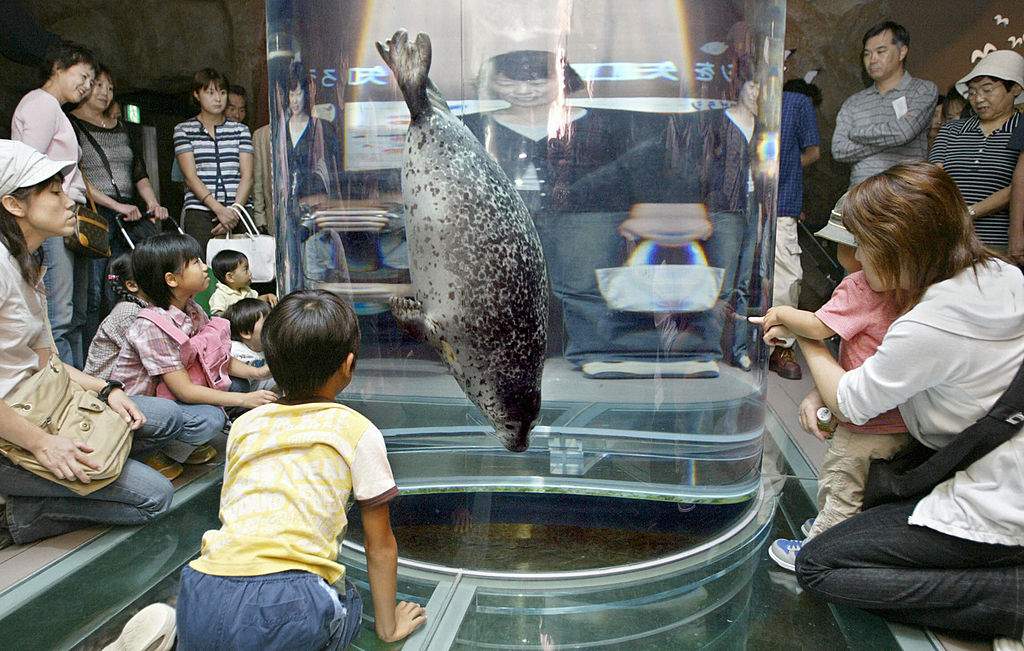
Nihondaira Zoo is not just a collection of cages; it is a community hub. Families visit to see the polar bears and the primates. For the staff, the facility is a place of conservation and care. The revelation that a colleague used the tools of their trade to commit such a macabre act has left the organization in a state of paralysis.
There is a specific kind of trauma involved when a place of life is repurposed for the concealment of death. The employees who operate that machinery daily must now reconcile their professional duties with the knowledge of what occurred in that furnace. This is a management crisis that extends beyond simple PR. It requires a total overhaul of internal culture.
The city of Shizuoka, which manages the zoo, has already begun reviewing access logs. They are looking at "two-person" authentication for the operation of heavy machinery. It is a reactive measure, common in the wake of such tragedies, but it highlights the complacency that existed before. In many Japanese workplaces, the "seniority and trust" model replaces rigorous security checks. That model died the moment the incinerator door closed.
Broken Domesticity and the Shadow of Violence
While the method of disposal has captured international headlines, the core of the story remains a domestic tragedy. Neighbors described the couple as ordinary. There were no public outbursts, no police calls for domestic disturbances, and no obvious signs of the friction that leads to such a violent end.
This "ordinariness" is the most terrifying aspect of the Shizuoka case. It suggests a hidden life of desperation or anger that was masked by the suspect’s professional persona. When a man can go to work, feed animals, interact with the public, and then quietly dispose of his partner in the same facility, we are looking at a profound level of compartmentalization.
The investigation is now looking into the weeks leading up to the disappearance. They are searching for financial stressors, evidence of an affair, or a history of coercive control. Usually, these cases aren't sparked by a single event but are the culmination of a long-simmering resentment that finds a sudden, violent outlet. The suspect didn't just kill his wife; he attempted to unmake her existence by turning her into an industrial byproduct.
Legal Precedents and the Path to Justice
Japan has seen similar cases where perpetrators used professional equipment to hide crimes. From the "Saitama Dog Lover Murders" in the 1990s to more recent cases involving industrial shredders, the pattern is consistent: the killer uses the environment they control to gain an advantage over the law.
In the Saitama case, the killers famously boasted that "no body means no crime." They were wrong. Forensic science eventually caught up with them through the analysis of tiny bone shards and teeth. The Shizuoka investigators are currently employing similar tactics. They are not just looking for a body; they are looking for the chemical signature of a life.
The suspect remains in custody. As the forensic team continues to dismantle the incinerator and sift through the remains, the city waits. The zoo has reopened, but the atmosphere has changed. You cannot simply scrub away the history of such an event. Every time the smoke rises from the facility’s stacks, the local community will be reminded of the husband who thought he could burn his secrets away.
The municipal government must now decide if the incinerator can even remain in use. In many cultures, a site of such trauma would be decommissioned. But in the practical world of city management, the machine is a necessity. The compromise will likely be a new set of digital locks, cameras that never blink, and a permanent shadow over a place that was meant for the joy of children.
The trial will eventually shed light on the final moments in that household, but for now, the focus remains on the ash. Every fragment recovered is a piece of the truth, and every truth discovered is a step toward a resolution that the suspect tried so hard to incinerate. Justice in this case won't be found in a quick headline; it will be built, grain by grain, from the remnants left behind in the heat.