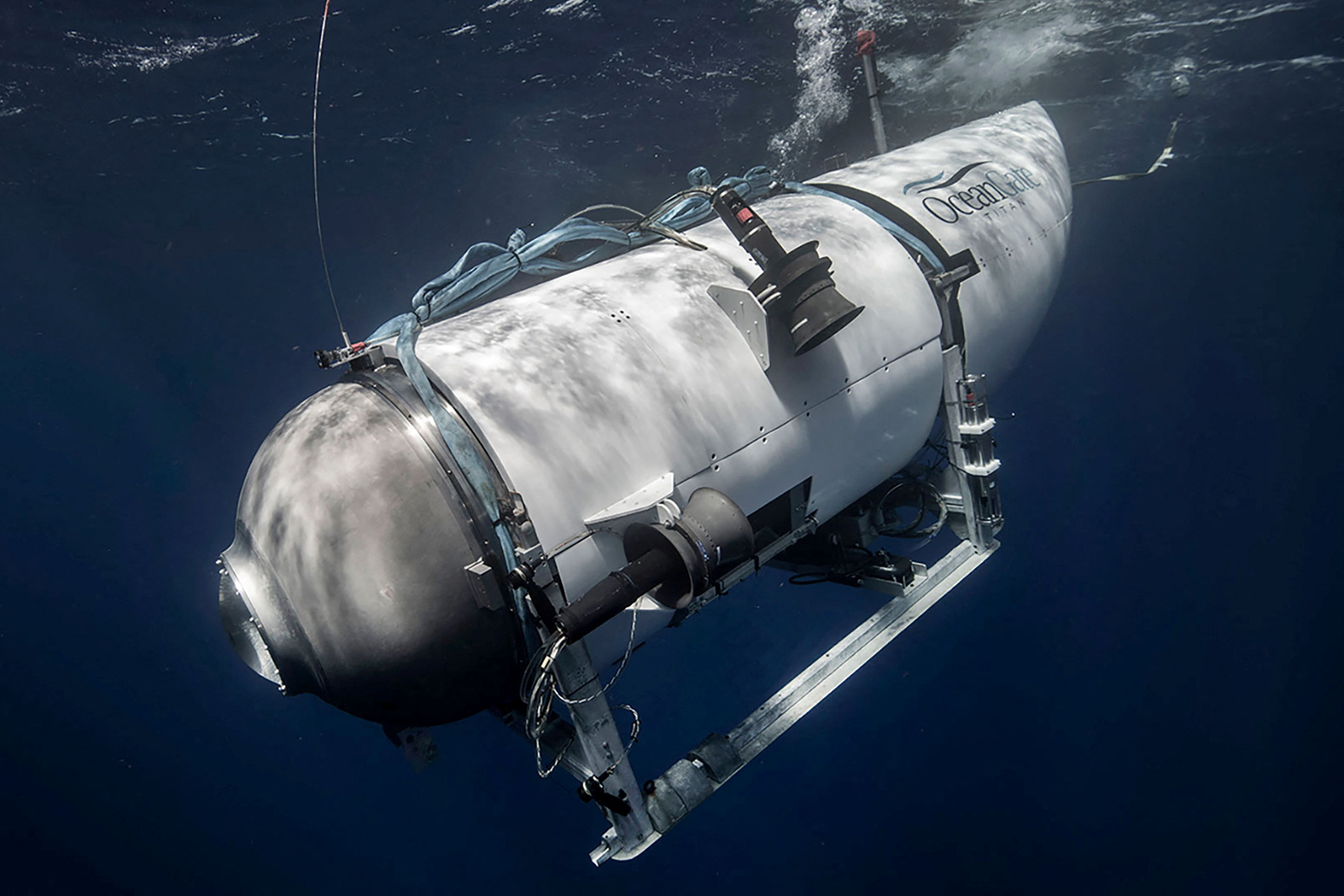
The human ear cannot process the speed of a carbon fiber hull failing under forty atmospheres of pressure. It happens in milliseconds. One moment, there is the dull, rhythmic hum of a thruster navigating the pitch-black abyss of the North Atlantic. The next, a violent implosion so rapid that the nervous systems of the five men inside never even had time to register the pain.
We tend to look at engineering disasters as sudden, unpredictable acts of god. We blame the deep ocean. We blame the cruel, unforgiving environment. But the final investigative reports into the disaster that claimed OceanGate’s Titan submersible tell a much older, much more human story. It is a story about the lethal intersection of arrogance, cost-cutting, and a fundamental misunderstanding of the materials we use to brave the unknown.
The ocean did not steal the Titan. The tragedy was built on land, piece by piece, under the banner of disruption.
The Illusion of Innovation
For decades, deep-sea exploration relied on a stubborn, heavy truth: titanium and steel. Heavy spheres. Perfect geometry. If you want to survive the crushing weight of thousands of meters of water, you build a metallic cocoon that distributes the force evenly across a flawless circle.
Then came Stockton Rush.
The OceanGate CEO viewed these time-tested rules not as laws of physics, but as bureaucratic red tape holding back progress. He wanted a vehicle that was lighter, larger, and cheaper to transport. He chose carbon fiber.
In the aerospace world, carbon fiber is a miracle material. It makes airplanes incredibly light and fuel-efficient. But there is a massive difference between an airplane and a deep-sea submersible. An airplane is designed to hold pressure in. The cabin expands slightly against the thin air outside. A submersible must keep pressure out.
Imagine a hollow cardboard tube. If you pull it from both ends, it stretches and holds its shape remarkably well. But if you place your hands around the middle and squeeze, it crumples instantly. Carbon fiber behaves similarly under compression. It is composed of thousands of tiny, woven threads bound together by resin. When compressed by millions of pounds of water, those microscopic fibers begin to delaminate. They peel apart. They fray silently, hidden deep within the matrix of the hull where no human eye can see.
Every single dive the Titan took didn't just test the hull. It weakened it.
The Sound of Breaking
The engineering world tried to shout over the roar of OceanGate’s marketing machine. Experts from the Marine Technology Society penned a frantic letter warning that the company's "experimental" approach could lead to catastrophic results. Inside the company, David Lochridge, the director of marine operations, raised alarms about the lack of non-destructive testing on the hull. He was fired, sued, and silenced.
Instead of rigorous, industry-standard acoustic testing, OceanGate relied on a proprietary "real-time acoustic monitoring system."
Consider what happens next when you substitute true quality assurance for a warning alarm. The system was designed to listen for the popping and cracking of carbon fibers as they began to fail under pressure. It was marketed as a brilliant safety feature. But in reality, it was a diagnostic tool disguised as a seatbelt. If the hull is screaming at you that it is about to break at 3,500 meters below the surface, you cannot simply pull over to the side of the road.
By the time the acoustic system detected the structural failure on that fateful June day, it wasn't a warning. It was a eulogy.
The Ghost in the Machine
The final federal reports highlight a laundry list of design choices that defy basic maritime wisdom. The window on the front of the vessel was only certified to a fraction of the depth it was repeatedly taken to. The electronic systems were off-the-shelf components, exposed to moisture and condensation. The entire craft was steered using a modified video game controller.
None of these individual flaws compared to the fundamental sin of the hull design: the interface between the carbon fiber cylinder and the titanium endcaps.
When a vessel descends into the deep, materials shrink. Titanium shrinks at one rate. Carbon fiber shrinks at another. Every time the Titan went down, the joints where these two radically different materials met experienced immense, tearing stress. The adhesive holding them together was subjected to a structural tug-of-war.
The tragedy of the Titan was not that it explored the unknown. It was that it ignored the known.
We have successfully traveled to the bottom of the Mariana Trench. We have explored the Titanic wreckage hundreds of times without incident. We know how to do this safely. The rules were written in the blood of early twentieth-century pioneers, codified by institutions that exist solely to ensure that explorers come home to their families.
The Cost of the Deep
When the final fragments of the Titan were recovered from the ocean floor, they told a precise story to investigators. The carbon fiber had shattered into thousands of tiny flakes. The titanium endcaps remained largely intact. The physics had played out exactly as the experts predicted years prior.
There is a intoxicating myth in modern culture that regulators are just parasites blocking the path of geniuses. We celebrate the phrase "move fast and break things." It works beautifully when you are building a social media app or a food delivery platform. If the code fails, the app crashes, you reboot, and you patch the bug.
But when you are dealing with thousands of pounds of hydrostatic pressure, you cannot patch a bug. The universe does not negotiate with disruptors. Physics has no interest in a charismatic sales pitch.
The five men who stepped inside that vessel were bound together by a mix of curiosity, ambition, and trust. They trusted that the lack of certification was a badge of honor, a sign of true pioneering spirit. They paid for that trust with their lives.
The true legacy of the final report is a stark reminder that true exploration requires humility. The deep ocean remains a beautiful, terrifying wilderness. If we wish to look upon its secrets, we must bow to its rules.