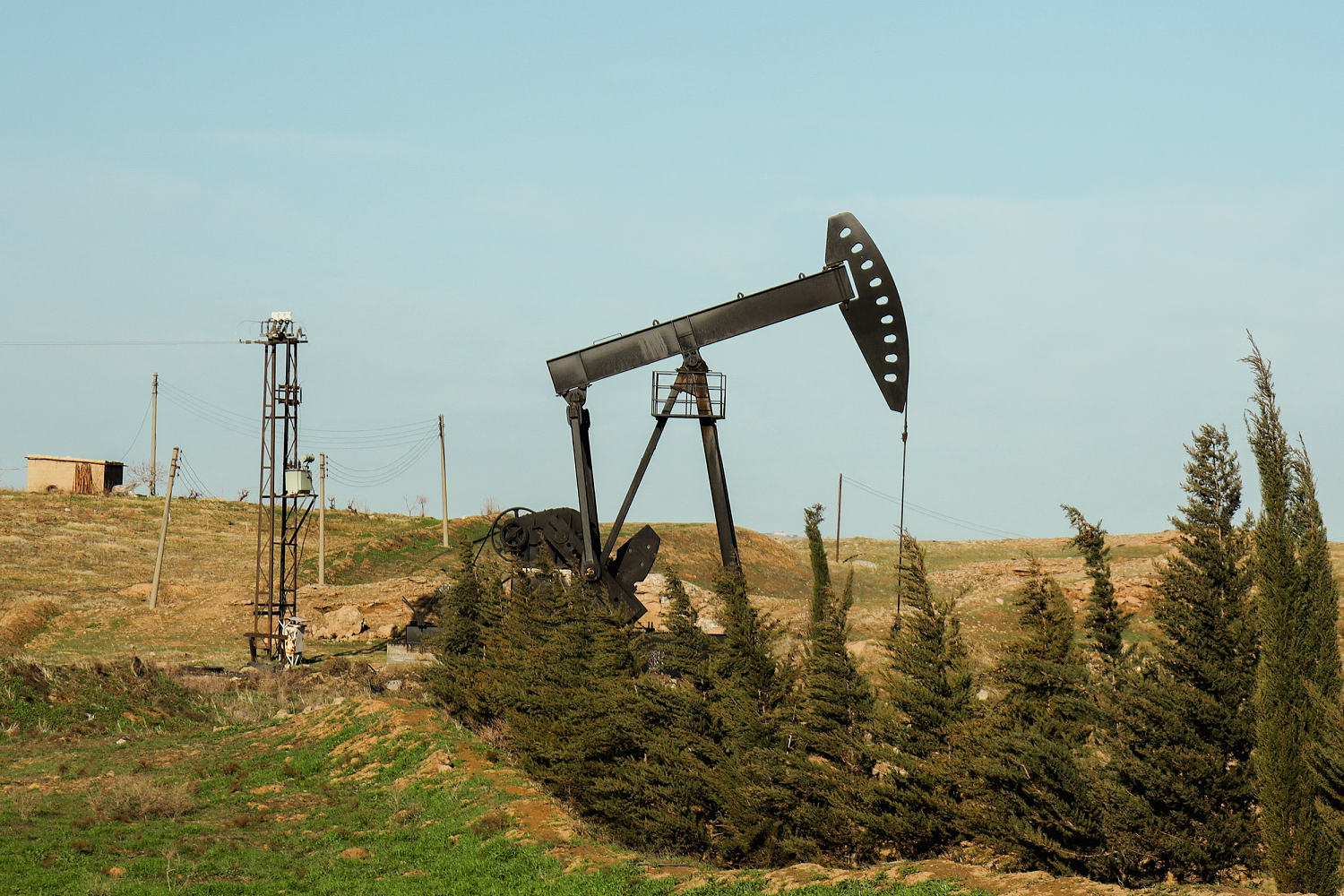
The return of Brent crude to $100 per barrel is not a market anomaly but the logical culmination of a structural deficit in global energy liquidities. While headlines focus on the psychological impact of the triple-digit barrier, the underlying mechanics reveal a calculated convergence of multi-year underinvestment, geopolitical risk premiums, and the inelastic nature of short-term energy demand. To understand this price action, one must move beyond the noise of daily trading and dissect the three primary drivers: the OPEC+ discipline framework, the failure of the U.S. shale response, and the widening "crack spread" between raw extraction and refined product availability.
The Triad of Price Volatility
The current valuation of crude is governed by three distinct structural pillars that dictate the global supply-demand equilibrium. Each pillar represents a bottleneck that prevents the market from self-correcting through traditional price-signal mechanisms.
1. Artificial Scarcity and the OPEC Plus Mandate
The primary driver of the current $100 threshold is the intentional management of global inventories by the OPEC+ alliance. Unlike previous cycles where individual members broke ranks to capture market share, the current strategy prioritizes price stability and fiscal break-even requirements over volume. Saudi Arabia’s unilateral production cuts serve as the "floor" for the market.
This mechanism functions through the Inventory Drawdown Velocity. By keeping production levels below global consumption rates, the alliance forces a reliance on commercial stockpiles. When these stockpiles fall below their five-year seasonal averages, the market transitions from contango (where future prices are higher than current prices) to backwardation (where current prices are higher). This creates a "scarcity premium" that fuels speculative investment and drives the spot price upward.
2. The Erosion of the Shale Buffer
Historically, U.S. shale production acted as a "swing producer," capable of bringing new supply online within six months of a price spike. That feedback loop is broken. The capital discipline now demanded by Wall Street has shifted the priority of American E&P (Exploration and Production) firms from growth to shareholder returns.
The Capital Expenditure Gap is now a permanent feature of the domestic energy sector. Even with oil at $100, the response in rig counts remains muted. This lack of elasticity means the global market has lost its most effective safety valve. The bottleneck is no longer geological; it is financial. Firms are utilizing cash flows to pay down debt and issue dividends rather than funding the aggressive drilling programs required to offset the natural decline rates of existing wells.
3. Geopolitical Risk Integration
The current price includes a "war premium" that accounts for potential disruptions in the Strait of Hormuz and the Black Sea. This is quantified by the Probability of Disruption (PoD) Coefficient. Analysts weight the likelihood of a 1-million-barrel-per-day (mbpd) loss against the cost of alternative sourcing. At $100, the market is pricing in a 15% to 20% PoD of a major supply artery being compromised. This risk is non-diversifiable and acts as a constant upward pressure on Brent futures.
Refined Product Constraints and the Crack Spread
A common misconception is that the price of raw crude is the only driver of the energy market. In reality, the Crack Spread—the difference between the price of crude oil and the refined products (gasoline, diesel, jet fuel) produced from it—is the true indicator of consumer-level impact. Even if crude prices were to soften, refined product prices would remain elevated due to a global shortage of refining capacity.
The "Refining Bottleneck" is a result of three decades of under-investment in complex distillation units. New refineries are being built in the Middle East and Asia, but they are not coming online fast enough to offset the decommissioning of older facilities in Europe and North America. This creates a structural imbalance where the world can pump enough oil but lacks the industrial infrastructure to convert it into usable energy.
- Environmental Regulation Impact: The shift toward "green" mandates has disincentivized long-term capital allocation in refining.
- Maintenance Backlogs: Post-pandemic demand surges have pushed existing refineries to run at near 100% capacity, increasing the risk of mechanical failure and unplanned outages.
- Quality Mismatch: The global refining system is designed for a specific "diet" of crude. Shifts in the availability of heavy, sour crude versus light, sweet shale oil create regional imbalances that spike prices locally even when global averages appear stable.
Macro-Economic Feedback Loops
The $100 barrel is a critical inflection point for global inflation and monetary policy. The transmission mechanism through which energy prices affect the broader economy is twofold: direct costs and second-order inflationary pressure.
The Energy Intensity Index
The Energy Intensity of GDP is the amount of energy required to produce one dollar of economic output. While developed economies have reduced this ratio since the 1970s, the current cost of $100 crude still represents a significant tax on global growth. Emerging markets, which are more energy-intensive, face the most immediate threat. For every $10 increase in the price of oil, GDP growth in oil-importing developing nations is estimated to drop by 0.5%.
Monetary Policy Tightening
Central banks view energy prices as "volatile components" and often strip them out to calculate core inflation. However, sustained $100 oil eventually leaks into the prices of logistics, food production, and manufacturing. This forces central banks to maintain higher-for-longer interest rate regimes.
The relationship can be defined by the Interest-Energy Correlation (IEC):
As the cost of energy (input) rises, the cost of capital (interest) must rise to dampen the resulting aggregate demand. This dual pressure creates a "scissors effect" on corporate margins, particularly in transportation and heavy industry.
The Strategic Shift to Energy Security
The primary lesson of the $100 oil era is the prioritization of energy security over energy transition. The narrative has shifted from a rapid abandonment of hydrocarbons to a pragmatism-led "Dual Path" strategy.
- Strategic Reserve Management: Nations are reassessing the role of Strategic Petroleum Reserves (SPR). Depleting these reserves to manage short-term price spikes, as seen in previous years, has left major economies vulnerable to prolonged disruptions.
- Diversification of Sourcing: The push for energy independence has led to a revival of domestic drilling incentives in areas previously earmarked for phase-out.
- Infrastructure Hardening: Investment is flowing into pipeline security and LNG (Liquefied Natural Gas) terminals to mitigate the risks of geographic concentration in the supply chain.
Quantitative Forecast and Immediate Actions
The current $100 price level is not a peak but a plateau. Expect the market to remain in a "High-Volatility Corridor" between $90 and $115 for the next 12 to 18 months. The absence of a recessionary demand destruction event means there is no immediate catalyst for a price collapse.
Strategic recommendation for stakeholders: 1. Hedge Exposure: Industrial consumers must utilize long-dated call options to cap their fuel expenditures at $105 levels. The risk of a spike to $130 in the event of a Middle Eastern escalation far outweighs the cost of the premium today.
2. Operational Efficiency: Accelerate the transition to high-efficiency logistics and alternative power sources, not for environmental compliance, but as a pure cost-reduction strategy.
3. Stockpile Resilience: For energy-dependent businesses, shift from "just-in-time" to "just-in-case" inventory management for refined products.
4. Capital Allocation: Energy producers should prioritize brownfield expansion—maximizing output from existing fields—over risky greenfield exploration, given the high cost of debt and the volatility of the long-term demand curve.
The era of cheap, abundant energy is over. The $100 barrel is the baseline of the new energy reality.