Scam syndicates always find new logistics to move illicit cash. When local bank accounts face tighter scrutiny, international criminal networks adapt by importing human couriers.
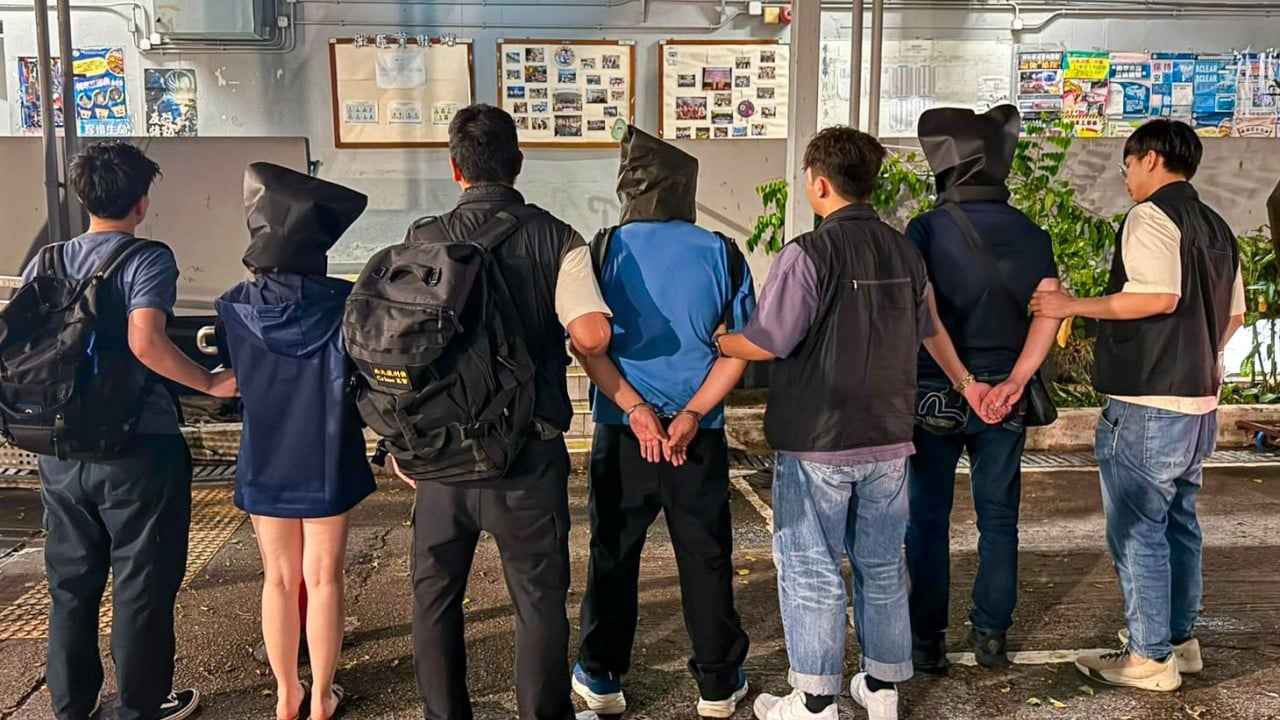
Hong Kong law enforcement recently dismantled a major fraud ring, resulting in 17 arrests and the seizure of HK$3.67 million. The operation exposed a growing reliance on foreign operatives, specifically Malaysian "runners," to collect and launder millions. If you think financial crime is purely digital, you're missing how physical cash still moves through the cracks.
How the Malaysian Runner Network Operates
Criminal groups don't like getting their hands dirty. They prefer distance. By recruiting individuals from Malaysia to fly into Hong Kong as short-term couriers, syndicates create a buffer between the masterminds and the actual money collection.
These runners typically operate under strict instructions from overseas handlers via encrypted messaging apps. Their job is simple yet high-risk: collect cash from victims—often elderly or vulnerable residents targeted by elaborate phone scams—and quickly convert or transfer it before police catch on.
Between June and August, this specific network targeted 22 people, squeezing out a staggering HK$2.5 million in losses. The total HK$3.67 million seized during the crackdown represents a massive blow to their liquidity, but it also highlights how much cash these syndicates manage to pull in over just a few weeks.
Why Overseas Couriers Are the Go-To Choice
Using local citizens as cash mules in Hong Kong has become riskier due to aggressive banking alerts and public awareness campaigns. Local accounts flagged for suspicious transactions get frozen fast.
Syndicates realized that foreign runners offer short-term utility. They fly in, open temporary communication lines, collect physical cash or handle localized transactions, and plan to fly back out before local authorities track the funds. They are disposable assets to the syndicate leaders hiding abroad.
Yet, police intelligence sharing and border monitoring have tightened. Law enforcement tracks suspicious travel patterns, unusual cash declarations, and quick turnarounds on visitor visas. When 17 people get rounded up in a single sweep, it shows that border control and anti-fraud units are starting to close the net on these cross-border logistics.
Protecting Yourself and Spotting the Tactics
Phone scams rarely change their underlying script, even if the delivery methods evolve. Fraudsters typically pose as officials, law enforcement officers, or customer service representatives. They manufacture emergencies, demand immediate financial clearance, or threaten legal action unless victims prove their innocence.
Never hand over cash to strangers sent to your door. Never transfer funds to unknown accounts based on a cold call. If someone claims you are under investigation and need to hand over money for safekeeping, hang up immediately. Real authorities do not send foreign runners to collect cash parcels from your apartment lobby.
Stay skeptical of anyone offering quick financial solutions or asking you to act as an intermediary for international cash transfers. Law enforcement will continue cracking down on these cross-border syndicates, but stopping the money flow starts with starving them of victims.