The coffee in Budapest always tastes like history. It is thick, dark, and carries the weight of a thousand arguments whispered in the corners of grand, high-ceilinged cafes. For sixteen years, those whispers have been cautious. When you live in a country where one man’s shadow stretches from the Parliament building to the smallest village classroom, you learn to watch your tone. You learn that stability often looks like silence.
Viktor Orban did not just govern Hungary; he curated it. He built a fortress of "illiberal democracy," a place where the borders were tight, the media spoke with one choreographed voice, and the European Union was a distant, nagging relative. To his supporters, he was the shield. To his critics, he was the architect of a slow-motion captive state. But for the first time in nearly two decades, the shield is vibrating. The silence is breaking.
The latest polling data isn't just a set of numbers; it’s a heartbeat skipping. For the first time since 2008, Orban’s Fidesz party finds itself staring at the back of someone else’s coat. The Tisza party, led by a man who was—until very recently—part of the inner circle, has surged ahead. This isn't a minor fluctuation. It is a seismic shift in a landscape that many believed was frozen solid.
The Man Who Knew Too Much
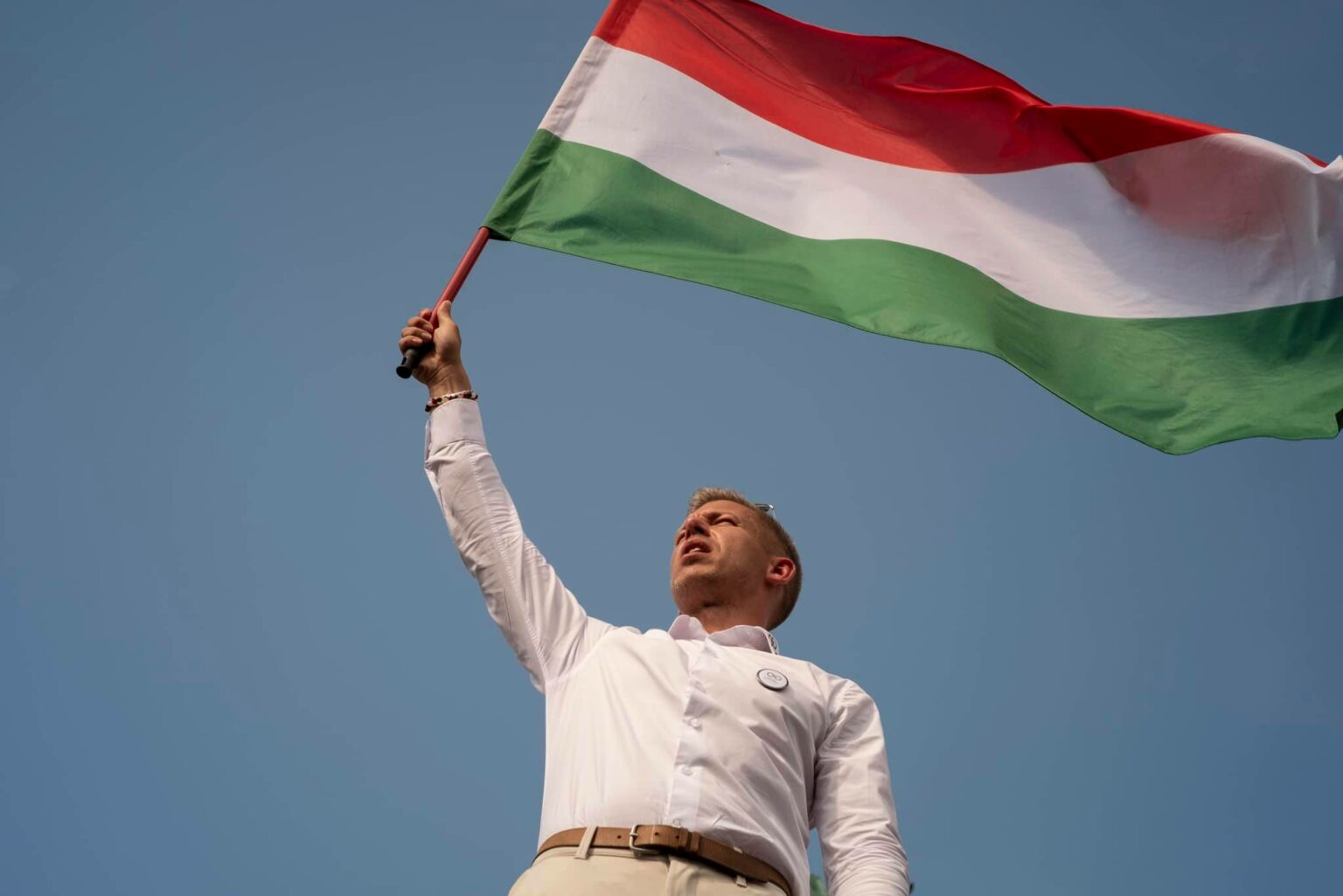
Peter Magyar is not your typical revolutionary. He doesn't look like a firebrand. He looks like the lawyer he is: sharp suits, measured speech, and the polished air of someone used to the corridors of power. That is exactly why he is dangerous.
Magyar was married to Judit Varga, the former Justice Minister and one of the most powerful women in Orban’s administration. He sat at the dinner tables where the decisions were made. He saw the gears turn. When he walked away and began releasing recordings of high-level corruption discussions, it wasn't just a political defection. It was an apostasy.
Imagine a vault that has been locked for sixteen years. The people outside have forgotten what’s inside, and the people inside have forgotten what it’s like to be out. Magyar didn't just pick the lock; he blew the door off the hinges. He spoke about the "propaganda machine" not as a conspiracy theory, but as a daily office routine. He turned the abstract concept of corruption into a vivid, human drama of betrayal and conscience.
The Fatigue of the Eternal Leader
Sixteen years is a lifetime in politics. It is long enough for a child to be born and reach the brink of adulthood without ever knowing another leader. This kind of longevity creates a specific type of atmospheric pressure.
In the beginning, Orban’s message was a tonic for many. He promised a return to national pride and a rejection of the globalist forces that seemed to be eroding Hungarian identity. He gave the people an enemy: Brussels, George Soros, the "liberal elite." And for a long time, the enemy was enough. Fear is a potent fuel, but it has a high burn rate. Eventually, you run out of things to be afraid of, or you simply get tired of being scared.
The economic reality has started to bite harder than the rhetoric. Hungary has faced some of the highest inflation rates in the European Union. While the government talked about sovereignty, the average shopper was looking at the price of milk and bread. You can’t eat a billboard that tells you how great the nation is.
Consider a hypothetical family in a town like Debrecen. Let’s call them the Kovács family. For a decade, they voted for Fidesz because they liked the tax breaks for families and the sense that someone was standing up for them on the world stage. But lately, the math doesn't work. Their son is moving to London because the local hospitals are crumbling and the schools are starved for resources. They see the "new elite"—friends of the party—buying up the local hotels and vineyards. The "shield" starts to look like a fence that keeps the prosperity inside a very small circle.
The Trump Connection and the Global Stage
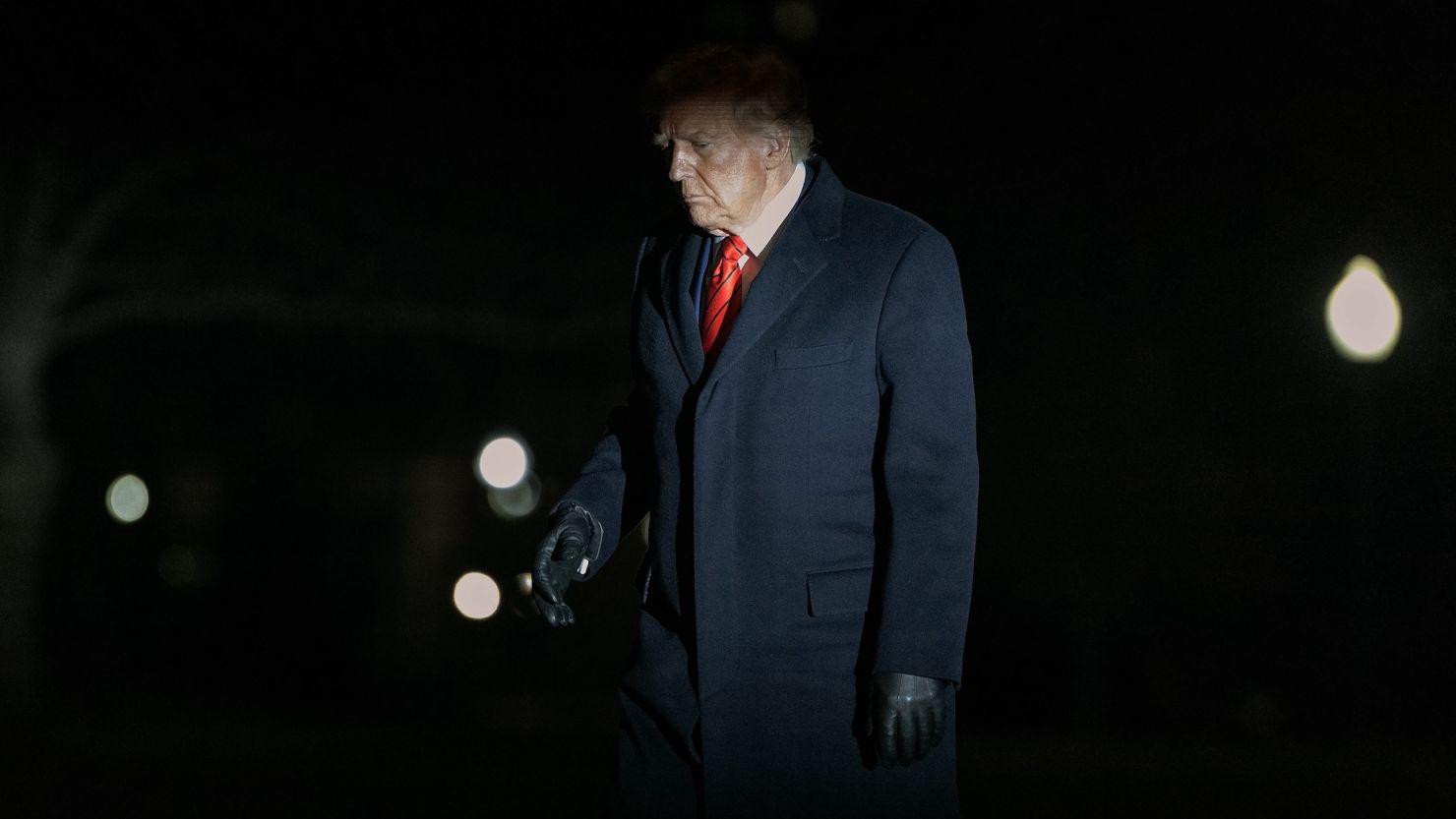
Orban has positioned himself as the vanguard of a global movement. His close ties with Donald Trump are not just a diplomatic preference; they are a brand. By hosting the Conservative Political Action Conference (CPAC) in Budapest, he turned a Central European nation of ten million people into a pilgrimage site for the American right. He proved that you could defy the European mainstream and not just survive, but become a hero to a specific type of voter across the ocean.
But this international prestige is a double-edged sword. While Orban was busy being a "strongman" icon in Florida, the foundations at home were softening. The European Union, tired of the constant vetoes and the erosion of the rule of law, began freezing billions of euros in funds. This wasn't just a slap on the wrist; it was a slow-motion economic strangulation.
The strategy was simple: Orban would wait for a "populist wave" to sweep Europe and the United States, bringing him allies who would restore the flow of cash. He bet everything on a global shift. But as the polls in Hungary show, the local voters aren't waiting for the world to change. They are waiting for their lives to improve.
The Invisible Stakes of a Poll
Why does a poll in a mid-sized European country matter to someone in New York, London, or Tokyo? Because Hungary has been the laboratory for a new kind of governance. It is the test case for whether a democracy can be hollowed out from the inside while keeping the outward appearance of freedom.
In Orban’s Hungary, there are elections. There are newspapers. There are courts. But the playing field is tilted so steeply that the game is almost impossible to win for anyone else. The state owns the referees, the stadium, and most of the cameras.
If the Tisza party maintains its lead, it proves that the model is not invincible. It proves that even the most sophisticated propaganda machine has a shelf life. It suggests that people, regardless of their cultural grievances, eventually return to the fundamental questions: Is my life better? Is my government honest? Do I have a say in my future?
The Sound of the Street
Walking through Heroes' Square recently, the energy felt different. There is a nervousness in the air, but also a strange, forgotten sense of possibility. For the first time in a generation, the outcome of an election feels like an open question rather than a foregone conclusion.
The government’s response has been predictable. They have labeled Peter Magyar a traitor, a puppet of foreign powers, and a man driven by spite. They are leaning into the old playbook. But the playbook is worn at the edges. When you use the same "foreign agent" accusation for every single person who disagrees with you, the words lose their sting. They become background noise.
The real drama isn't happening in the televised debates or the polished press releases. It’s happening in the kitchens of rural villages where people are comparing their heating bills to the news reports of government-linked billionaires. It’s happening in the universities where students are wondering if they have a future in a country that values loyalty over merit.
The Unraveling of the Narrative
Orban’s greatest strength was his ability to tell a single, coherent story about Hungary. He was the protagonist, and everyone else was either a loyal soldier or a villain. It was a grand, cinematic tale of a small nation fighting against the world.
But stories need new chapters to stay interesting. You can’t keep the audience in their seats if the plot never moves forward and the hero starts to look more like a landlord than a knight. Peter Magyar didn't just offer a different set of policies; he offered a different story. He offered a narrative of "normality."
Normality is a powerful drug in a country that has been on a permanent war footing for sixteen years. The idea that politics could just be about managing the country effectively, rather than fighting an existential battle for the soul of the nation, is deeply seductive.
The Threshold of Change
We are witnessing a moment of profound vulnerability. It is the moment when the "unbeatable" leader realizes that the ground is no longer solid beneath his feet. Orban has survived crises before. He is a master of the pivot, a politician with the instincts of a street fighter. He will not go quietly, and he will use every lever of power at his disposal to tilt the field back in his favor.
But some things cannot be unlearned. Once a population realizes that change is possible, the spell is broken. You can’t put the lightning back in the bottle.
The polls show a lead of 42 percent for Tisza against 40 percent for Fidesz. Two percent. It sounds like a rounding error. But in the context of Hungary, that two percent is a canyon. It is the space where hope lives.
The statues in Budapest are made of stone, but the history they represent is fluid. The city has seen empires rise and fall, seen walls built and torn down. It knows that power is a lease, never a deed. As the sun sets over the Danube, hitting the golden dome of the Parliament, the building looks as permanent as ever. But inside, the shadows are moving. The whispers in the cafes are getting louder. People are no longer just watching the clock; they are starting to realize they are the ones who wind it.
The fortress still stands. The gates are still barred. But the wind is blowing through the cracks, and for the first time in sixteen years, the people inside are beginning to breathe.