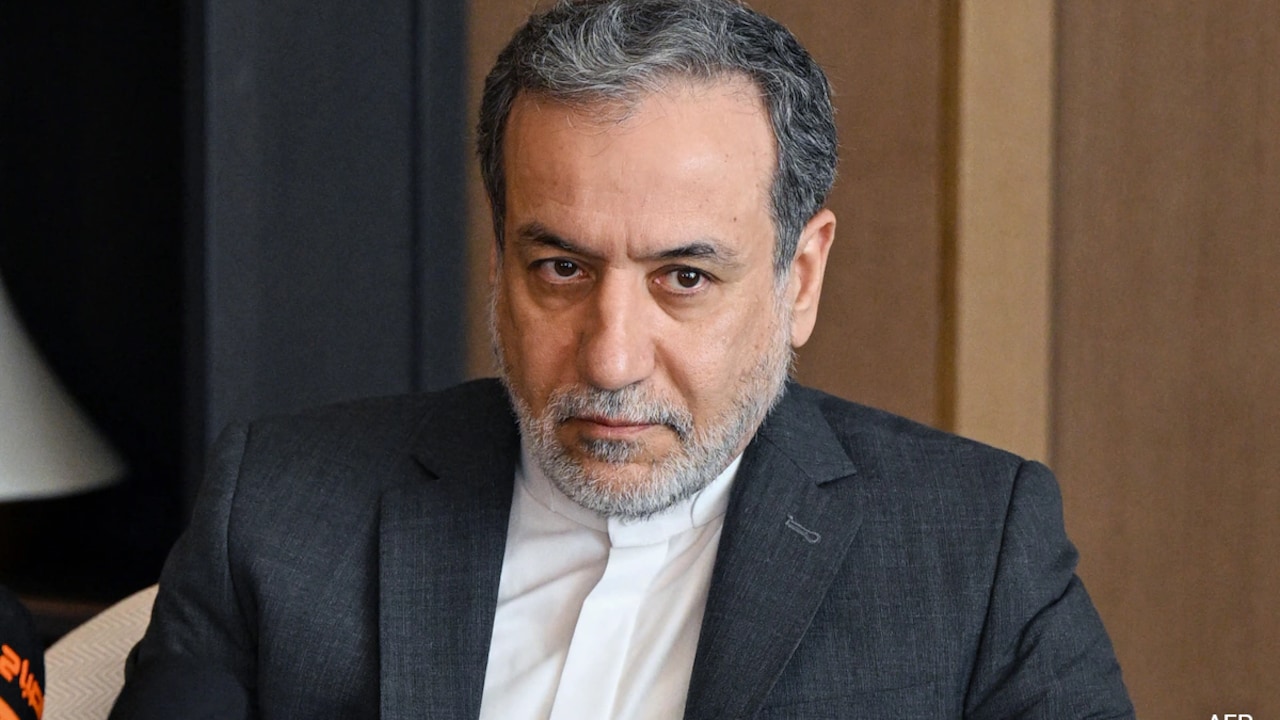
Diplomacy rarely happens where the cameras are pointed. When Iranian Foreign Minister Abbas Araghchi describes backchannel discussions with Washington as "very intensive," most cable news panels treat it like a sudden breakthrough. It isn't.
I've followed Middle East backchannel diplomacy for over a decade, and the loudest public statements usually mask quiet, grinding routines that have been running for months. Publicly, Tehran and Washington maintain rigid red lines. Behind closed doors, intermediaries pass messages back and forth in hotel suites from Muscat to Doha, trying to keep a regional spark from turning into a full-scale fire.
If you want to understand what Araghchi's "very intensive" comment actually means, stop looking for a grand nuclear treaty. That ship sailed years ago. Look instead at crisis management, prisoner swaps, frozen assets, and the desperate effort by both capitals to avoid a direct military clash neither side wants.
Why Abbas Araghchi Used the Words Very Intensive
Words in Iranian diplomacy aren't accidental. Abbas Araghchi isn't a firebrand ideologue shouting slogans for domestic television—he's a seasoned technocrat who spent years as Iran's lead nuclear negotiator during the 2015 Joint Comprehensive Plan of Action (JCPOA) talks. When he uses a phrase like "very intensive" to describe indirect talks with the United States, he's sending a specific signal to multiple audiences at once.
First, he's talking to hardliners inside Tehran. By emphasizing that the talks are indirect, he protects himself from accusations of capitulating to Washington or violating Supreme Leader Ayatollah Ali Khamenei's long-standing ban on direct negotiations without preconditions. Second, he's telling international markets and regional neighbors that Tehran isn't sleepwalking toward war.
Washington usually responds to these Iranian statements with calibrated ambiguity. State Department briefings routinely acknowledge that the U.S. has "ways of communicating" with Iran when it serves American interests, while insisting no formal nuclear negotiations are on the table. Both sides get what they need from this dance. Tehran projects relevance and diplomatic agility, while Washington maintains plausible deniability with domestic critics who view any contact with the Islamic Republic as appeasement.
How Indirect Talks Between Washington and Tehran Actually Work
People hear "indirect talks" and picture two diplomats sitting in adjacent rooms while a third person sprints down the hallway with handwritten notes. Sometimes it really is that literal.
In practice, U.S.-Iran indirect diplomacy relies heavily on trusted regional brokers. Oman has played this role since the early 2010s, hosting secret meetings in Muscat that eventually paved the way for the 2015 nuclear deal. Qatar stepped into a similar lane more recently, serving as the primary conduit for the 2023 prisoner exchange that freed five detained Americans in return for access to $6 billion in frozen Iranian oil revenues held in South Korea. Switzerland, which has represented U.S. interests in Tehran through its embassy's Foreign Interests Section since 1980, handles urgent, day-to-day diplomatic cables.
Here is how a typical round of indirect diplomacy unfolds:
- Pre-meeting framing: Before anyone boards a flight, Omani or Qatari officials shuttle between Tehran and Washington to establish a narrow agenda. Neither side agrees to meet without knowing the exact boundaries of the conversation.
- Proximity talks: Delegations arrive in the host city—often Muscat, Doha, or sometimes on the sidelines of the UN General Assembly in New York—and check into separate floors of the same hotel or separate government guesthouses.
- Message relay: The mediator carries written proposals, maps, or specific wording edits from the American delegation to the Iranian delegation, waits for a response, and walks it back.
- Denial and spin: Once the delegations fly home, both capitals brief friendly journalists to frame the outcome as a display of strength rather than a concession.
It's slow. It's clunky. Every single sentence gets translated, scrutinized for hidden traps, and stripped of nuance. Yet this cumbersome process has prevented direct military escalation multiple times when conventional diplomacy was completely dead.
What Is Actually on the Table Right Now
Forget the 159-page text of the 2015 nuclear agreement. Nobody in Washington or Tehran is trying to resurrect the JCPOA in its original form. Iran's nuclear program has advanced far beyond the limits set a decade ago, with uranium enrichment reaching 60 percent purity—a short technical step away from weapons-grade material, according to reports from the International Atomic Energy Agency (IAEA). Meanwhile, the political appetite in the U.S. Congress for lifting broad economic sanctions on Iran is effectively zero.
Instead, "very intensive" indirect talks focus on transactional, compartmentalized understandings—what diplomats quietly call "less-for-less" arrangements.
De-escalation and Regional Red Lines
The most urgent topic in any U.S.-Iran backchannel isn't centrifuges; it's regional firefights. Between militia attacks on U.S. bases in Iraq and Syria, Houthi disruptions to commercial shipping in the Red Sea, and direct exchanges of missile and drone fire between Iran and Israel, the margin for miscalculation has shrunk to almost nothing.
Through Omani and Iraqi intermediaries, Washington routinely passes stark warnings to Tehran about what crosses the line into triggering a massive American military response. Tehran uses the same channel to signal when its actions are meant to be calibrated and contained rather than the opening salvo of a regional war. Honestly, this is the real reason talks become "intensive" overnight. When missiles are flying, backchannels become emergency hotlines.
Nuclear Restraint Without a Formal Treaty
Because a formal treaty is politically impossible, U.S. negotiators have focused on informal caps. The goal isn't dismantling Iran's nuclear infrastructure—Tehran won't agree to that—but freezing it where it is. In exchange for Iran refraining from enriching uranium to 90 percent or restricting IAEA inspectors further, Washington can quietly ease enforcement on certain oil sales or allow funds held in third countries to be used for humanitarian trade. Nothing gets signed. Nothing goes to the Senate for ratification. If either side breaks the unwritten rules, the other simply resumes pressure.
Detainees and Frozen Funds
Humanitarian swaps remain the only area where both sides have consistently closed deals. Washington prioritizes bringing home dual nationals and American citizens held in Tehran's Evin Prison. Tehran prioritizes unlocking billions of dollars in oil revenue trapped in foreign banks due to U.S. secondary sanctions. Even when broader talks stall completely, the detainee channel rarely shuts down entirely.
Three Common Misconceptions About US-Iran Diplomacy
When headlines about secret or indirect talks break, public debate quickly splits into two predictable camps. Both usually miss how diplomacy with Tehran actually functions.
Misconception 1: Indirect talks mean a major deal is imminent.
Intensity doesn't equal agreement. Talks often become most intensive right before they collapse, precisely because both sides are arguing fiercely over final sticking points or trying to prevent an imminent crisis. Araghchi calling the process "very intensive" tells you the volume of traffic is high, not that a breakthrough is around the corner.
Misconception 2: Iran only negotiates when sanctions bring its economy to total collapse.
Maximum pressure didn't force Tehran to abandon its regional network or dismantle its nuclear program. What economic pressure does do is raise the value of tactical relief. Tehran enters indirect talks not because it is ready to surrender its core security doctrine, but because managing inflation and currency swings requires predictable, even if limited, access to foreign currency.
Misconception 3: Refusing direct talks proves Iran isn't serious.
Inside the Islamic Republic's political system, direct talks with the "Great Satan" carry massive ideological baggage. Using an Omani or Qatari mediator allows Iranian officials to negotiate pragmatically on technical details while keeping their domestic political cover intact. If you judge seriousness by the seating arrangement rather than the proposals passed across the table, you misread the entire dynamic.
How to Read Diplomatic Signals From Tehran and Washington
If you're tracking geopolitical risk, market impacts on crude oil, or Middle East security, watching the press conferences won't tell you much. You have to watch the indicators that accompany statements like Araghchi's.
Start by tracking oil tanker movements and enforcement actions. When indirect talks are making genuine progress toward an informal freeze, U.S. Treasury sanctions designations on Iranian petrochemical networks often slow down, and Iranian crude exports to Asia tend to edge higher without interdiction. Conversely, a sudden wave of new designations usually means the backchannel hit a wall.
Watch the IAEA quarterly reports. The UN nuclear watchdog's board meetings in Vienna serve as a reliable barometer for U.S.-Iran backchannels. When Washington and its European allies hold back on pushing a formal censure resolution against Iran at the IAEA Board of Governors, it almost always indicates that delicate indirect negotiations are underway and neither side wants to blow up the room.
Finally, pay attention to who is doing the talking in Tehran. When statements about negotiations come from diplomats like Araghchi, the government is testing the waters and signaling openness to engagement. When the messaging shifts entirely to commanders of the Islamic Revolutionary Guard Corps (IRGC), diplomacy has taken a back seat to deterrence. Keep your eye on those three markers rather than the daily headlines, and you'll know whether "very intensive" talks are actually moving the needle long before any official announcement hits the wire.