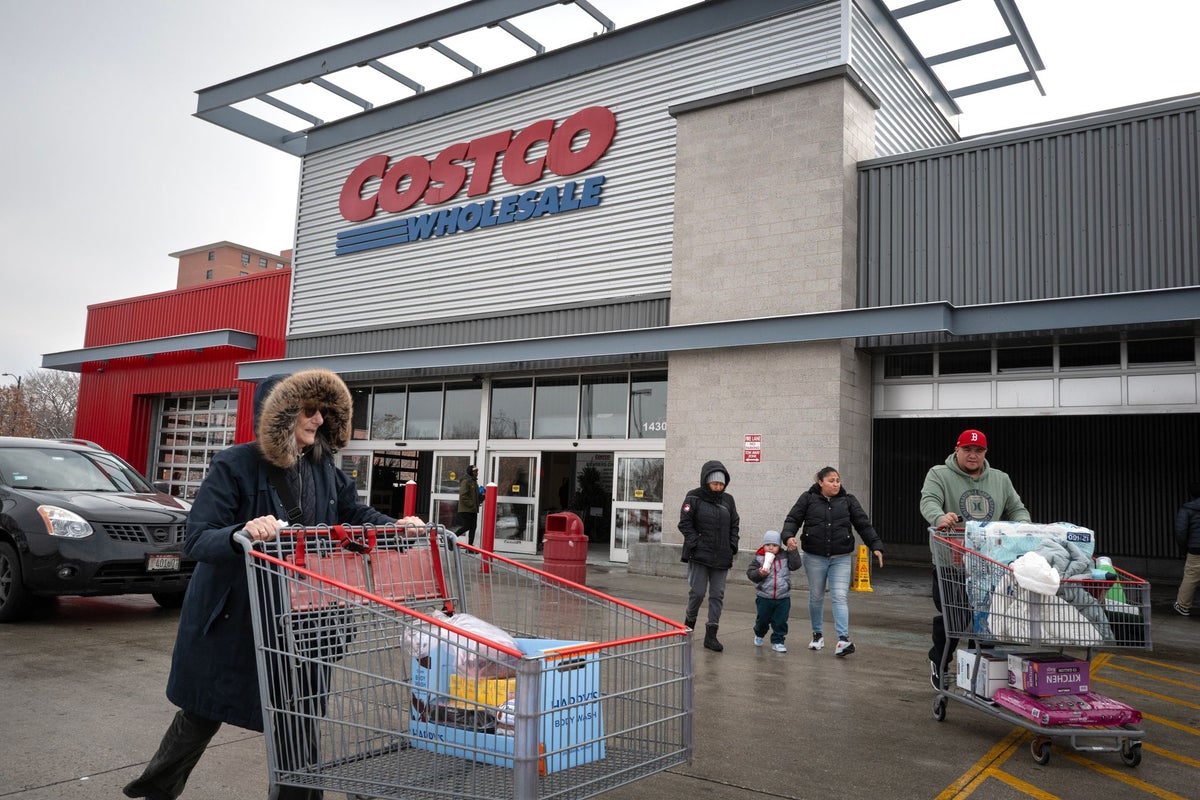
Costco might be the king of bulk-buy bargains and $1.50 hot dogs, but a new class-action lawsuit claims the retail giant is pocketing money that doesn't belong to them. A California shopper is dragging the warehouse club into court, and it’s all about those Trump-era tariffs on Chinese goods. Most people don't think twice about the taxes baked into the price of a flat-screen TV or a set of patio furniture. But this lawsuit argues that when those taxes get refunded to the importer, that cash should go back to the person who actually paid for it. You.
The core of the dispute is simple. During the trade wars of the last several years, the U.S. government slapped heavy tariffs on thousands of items coming from China. Retailers like Costco didn't just eat those costs. They passed them on to members. Recently, however, some of those tariffs were ruled improper or were retroactively excluded by the feds. When the government cuts a refund check for those duties, the lawsuit claims Costco is keeping the "windfall" instead of lowering prices or issuing rebates to the customers who were surcharged in the first place.
The Problem With Hidden Import Taxes
When you walk through those giant sliding doors, you expect transparency. You pay your membership fee for the privilege of "wholesale" pricing. The plaintiff in this case, a man named Nelson Inukai, argues that Costco’s entire brand is built on this trust. He bought a set of outdoor furniture that was subject to Section 301 tariffs. Later, the U.S. Trade Representative (USTR) granted an exclusion for that specific product category.
The government basically said, "Our bad, this shouldn't have been taxed." They sent the money back to the importer of record. In this case, that's Costco.
The legal argument here is based on "unjust enrichment." It’s a fancy way of saying you can’t keep money that you only have because of someone else’s mistake or a specific pass-through cost. If a restaurant adds a 20% "temporary health mandate fee" to your bill, and the city later tells the restaurant the fee was illegal and refunds them, does the restaurant get to keep it? Most people would say no. That’s exactly what’s happening here, just on a much larger, global-trade scale.
Why This Isn't Just a Typical Pricing Dispute
Retailers usually have total control over their prices. If Costco wants to sell a bag of coffee for $15 today and $12 tomorrow, they can. They don't owe you a $3 refund just because the price dropped. But tariffs are different. They are specific, government-mandated levies.
The lawsuit highlights a few key points that make this case sticky for Costco:
- Specific Surcharges: The claim suggests that Costco specifically accounted for these tariffs when setting the retail price.
- Fiduciary-ish Trust: Because Costco is a membership club, courts sometimes hold them to a slightly higher standard of "fair dealing" with their members compared to a random gas station or a corner store.
- The Scale of the Refund: We aren't talking about a few pennies. We're talking about millions of dollars in Section 301 duties that have been tied up in legal battles at the Court of International Trade.
Costco has a reputation for being the "good guy" of retail. They pay high wages. They have a legendary return policy. But if they're sitting on a pile of tax refunds that were originally funded by your credit card, that "good guy" image starts to look a bit shaky.
How Section 301 Tariffs Trickle Down
Most shoppers don't realize how much of their receipt goes to the U.S. Customs and Border Protection. Under the Trade Act of 1974, the President has the power to impose these duties to combat "unfair trade practices." Since 2018, these have hit everything from vacuum cleaners to bike helmets.
When a retailer imports a shipping container of goods, they pay the tariff at the port. To keep their profit margins steady, they raise the shelf price. If the tariff is 25%, the price might go up by exactly that amount. When the legal status of those tariffs changes—which has happened frequently as trade deals are renegotiated or challenged in court—the money flows back up the chain. The lawsuit alleges that the flow stops at Costco’s corporate headquarters rather than reaching the suburban families who actually footed the bill.
The Defense of the Retail Giant
Costco hasn't rolled over. Their likely defense is that once a customer pays a price, the transaction is closed. They'll argue that they took the risk of importing the goods, managed the logistics, and paid the taxes upfront. From their perspective, any refund is a recovery of their own business expense.
There's also the nightmare of "traceability." How does Costco figure out exactly which members bought which specific items over a four-year period and calculate the exact portion of the tariff refund owed to each? While Costco tracks everything through membership cards, the math would be a logistical mountain.
However, the plaintiff isn't asking for it to be easy. He's asking for it to be fair. The lawsuit seeks to represent anyone in the U.S. who bought products at Costco that were subject to these specific tariffs and for which Costco later received a refund or credit.
What This Means for Your Next Warehouse Run
If you're a Costco member, don't expect a check in the mail tomorrow. Class action lawsuits move at the speed of a glacier. But this case sets a massive precedent. If the court sides with Inukai, every major retailer in America—Walmart, Target, Amazon—could be looking at similar litigation.
It changes the way companies handle "pass-through" costs. If a company tells you a price is higher because of a specific tax, and that tax disappears, they might legally be required to give that money back.
Moving Forward With Your Membership
You shouldn't cancel your membership over this yet, but you should be more aware of how "landed costs" affect what you pay. It’s worth keeping an eye on the "Special Notices" section of the Costco website or your member mailers. If a settlement is reached, that's where the claim forms will appear.
Pay attention to your big-ticket purchases. If you bought electronics, appliances, or furniture between 2019 and 2023, you might be part of this "aggrieved" group. Keep your receipts—though, luckily, Costco’s digital system usually does that for you.
The next time you see a price hike blamed on "global supply chain issues" or "import duties," remember that those numbers aren't always set in stone. Sometimes the government gives that money back. And when they do, you should probably be the one holding the bag—the bag of cash, that is.
If you're curious about whether your specific purchases are involved, you can search the USTR database for Section 301 exclusions. Look for your product category. If it's there and you bought it at a premium during the trade war peak, you're exactly who this lawsuit is trying to protect. Stop assuming the price on the tag is the final word on what a product actually costs the store to sell you.