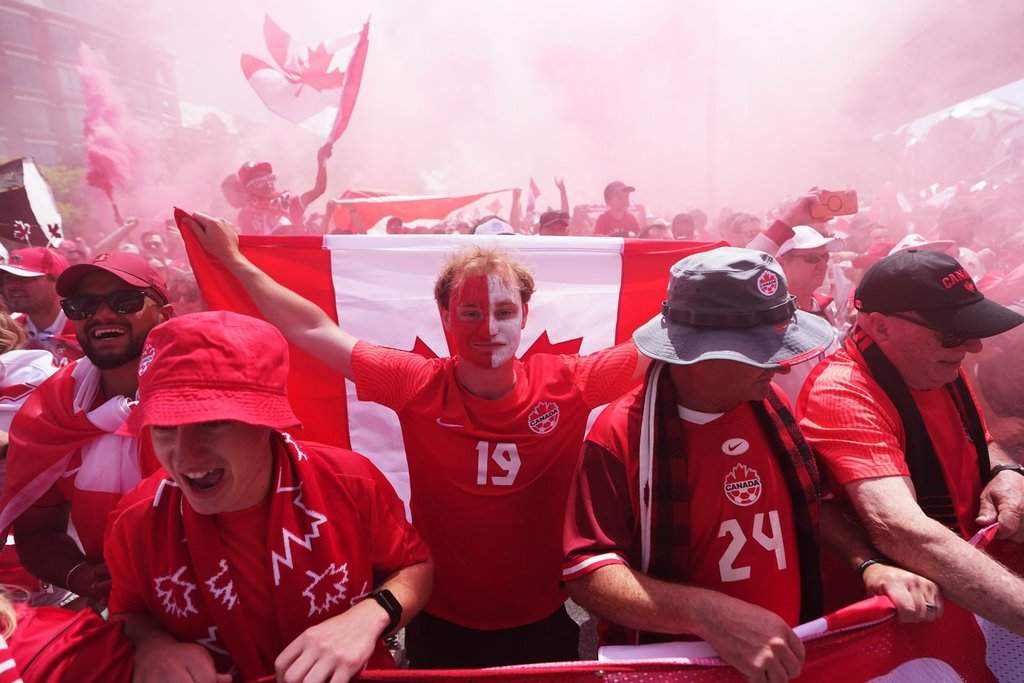
When the FIFA World Cup arrives on the West Coast, it will not just be a tournament. It will be a stress test of civic infrastructure, public finance, and corporate promises. While local organizing committees from Los Angeles to Seattle spin narratives of a unified soccer fever sweeping the Pacific Rim, the reality on the ground is a complex calculation of risk and reward. The region is rushing to prepare for an unprecedented influx of international visitors, but the underlying mechanics of hosting this mega-event reveal a stark divide between promotional optimism and economic reality.
North American sports culture frequently treats major tournaments as guaranteed windfalls. Local governments and tourism bureaus point to projected economic impacts, filled hotel rooms, and global television exposure as justification for massive public spending. Yet, history suggests that the actual return on investment rarely matches the glossy brochures. By looking past the fan festivals and official press releases, we find a region navigating massive logistics hurdles, shifting financial liabilities, and the uncomfortable truth that FIFA, not the host cities, holds all the cards. You might also find this connected coverage useful: Gianni Infantino Just Handed Donald Trump the Ultimate Geopolitical Stage.
The Infrastructure Gamble Underlying the Festivities
Hosting matches requires more than just an elite stadium. It demands a highly coordinated network of transit, security, and hospitality capable of handling hundreds of thousands of people simultaneously. In Seattle and Vancouver, cities separated by an international border but linked by the Cascadia corridor, the challenges are structural.
Consider the transportation network. The Pacific Northwest relies heavily on a mix of light rail, highways, and interstate rail lines that already operate near capacity during peak hours. Injecting a massive wave of international travelers into this system exposes existing vulnerabilities. Seattle has been pushing to expand its Link light rail network, but construction delays and maintenance backlogs mean the system will be operating under intense pressure. Vancouver faces similar constraints with its SkyTrain network and the heavily congested highway routes leading to BC Place. As discussed in latest coverage by ESPN, the results are significant.
Then there is the stadium transformation itself. FIFA requirements are notoriously stringent, demanding specific pitch dimensions, natural grass surfaces, and massive hospitality footprints. For venues like Lumen Field in Seattle, which traditionally uses synthetic turf to accommodate both the NFL's Seahawks and MLS's Sounders, installing and maintaining temporary natural grass that meets international standards is a major engineering and financial task. The grass must survive the region’s unpredictable weather while remaining durable enough for world-class athletes. This is not a simple matter of rolling out sod. It involves specialized drainage, underground ventilation systems, and precision lighting grids, all funded by local organizing committees.
The Asymmetrical Financial Blueprint
The economic agreements governing the tournament are fundamentally lopsided. FIFA operates under a model that maximizes its revenue while shifting the vast majority of operational expenses and financial risks onto the local hosts. Tax exemptions are a standard condition for securing match hosting rights. This means that while billions of dollars will move through the local economy, a significant portion of the direct revenue from ticket sales, broadcasting, and global sponsorships flows directly back to Zurich, completely untouched by local taxes.
Meanwhile, municipalities are left to cover the skyrocketing costs of security, municipal services, and crowd management. Law enforcement agencies must coordinate across local, state, and federal levels to secure stadiums, training sites, and public fan zones. These security operations require thousands of hours of overtime, specialized equipment, and extensive intelligence sharing. While organizing committees promise that private fundraising and corporate sponsorships will cover these bills, history shows that taxpayers frequently end up absorbing the overruns.
Local businesses are also discovering that the promised tourism boom is a double-edged sword. Mega-events tend to displace regular tourism and commerce. Casual travelers, business convention organizers, and regional visitors actively avoid host cities during a tournament to escape inflated hotel rates and suffocating crowds. A restaurant or retail shop outside the immediate vicinity of the stadium or official fan zones often sees a net decrease in revenue during the event. The economic impact is concentrated in a remarkably small radius, benefiting major hotel chains and official FIFA partners far more than the independent businesses that form the backbone of the local economy.
Cultural Alignment Versus Corporate Mandates
The Pacific Northwest possesses a genuine, deeply rooted soccer culture. For decades, the region has boasted some of the highest attendance figures and most passionate fan bases in North American soccer, driven by the historic rivalries of the Cascadia Cup. The sport here was built from the ground up through community clubs, independent supporters' groups, and a distinct counter-cultural identity.
There is a fundamental tension between this organic soccer culture and the highly corporate, sterilized environment mandated by an international governing body. FIFA brings a rigid commercial structure that often alienates traditional fans. Local supporter traditions are frequently restricted or heavily commercialized to protect global sponsors. The match-day experience becomes less about local identity and more about delivering a uniform television product for a global audience.
Furthermore, ticket pricing structures threaten to price out the very fans who built the region’s soccer reputation. When a single match ticket costs more than a season pass to a local professional club, the event ceases to be a celebration for the community. It becomes an exclusive luxury item reserved for international travelers and corporate VIPs. This displacement of the traditional fan base raises serious questions about the long-term soccer legacy the tournament leaves behind.
The Reality of Post Tournament Legacy
Every host city justifies its expenditure by pointing to a lasting legacy. They promise upgraded facilities, increased youth participation, and a permanent elevation of the city’s global profile. But when the final whistle blows and the temporary infrastructure is dismantled, what actually remains?
The record of previous major sports tournaments is littered with empty promises. Temporary grass pitches are ripped up, fan zones return to parking lots, and the inflated tourism numbers plummet back to baseline levels. The argument that hosting matches acts as a giant advertisement for future tourism overlooks the fact that cities like Seattle and Vancouver are already major global destinations. They do not need to spend hundreds of millions of dollars to put themselves on the map.
Projected vs Historical Reality of Mega-Event Hosting
┌─────────────────────────────────┬─────────────────────────────────┐
│ Promotional Promise             │ Documented Historical Outcome   │
├─────────────────────────────────┼─────────────────────────────────┤
│ Broad economic windfall         │ Highly concentrated revenue     │
│ Permanent tourism boost         │ Temporary visitor displacement  │
│ Tax revenue surge               │ Extensive FIFA tax exemptions   │
│ Community soccer legacy         │ Increased corporate governance  │
└─────────────────────────────────┴─────────────────────────────────┘
The true legacy of the tournament will not be measured in the fleeting excitement of a summer month, but in the long-term financial ledgers of the host cities. If the public infrastructure upgrades genuinely improve daily life for residents after the crowds leave, the gamble might be partially justified. But if the investments were solely designed to satisfy the whims of an international sports federation for a handful of matches, the region will be paying off the debt long after the tournament has moved on.
The West Coast is about to discover that hosting the world's biggest party comes with an extraordinary cleanup bill, and the hosts are expected to pay for every single broken glass.
.jpg?width=1200&auto=webp&trim=25%2C0%2C25%2C0)