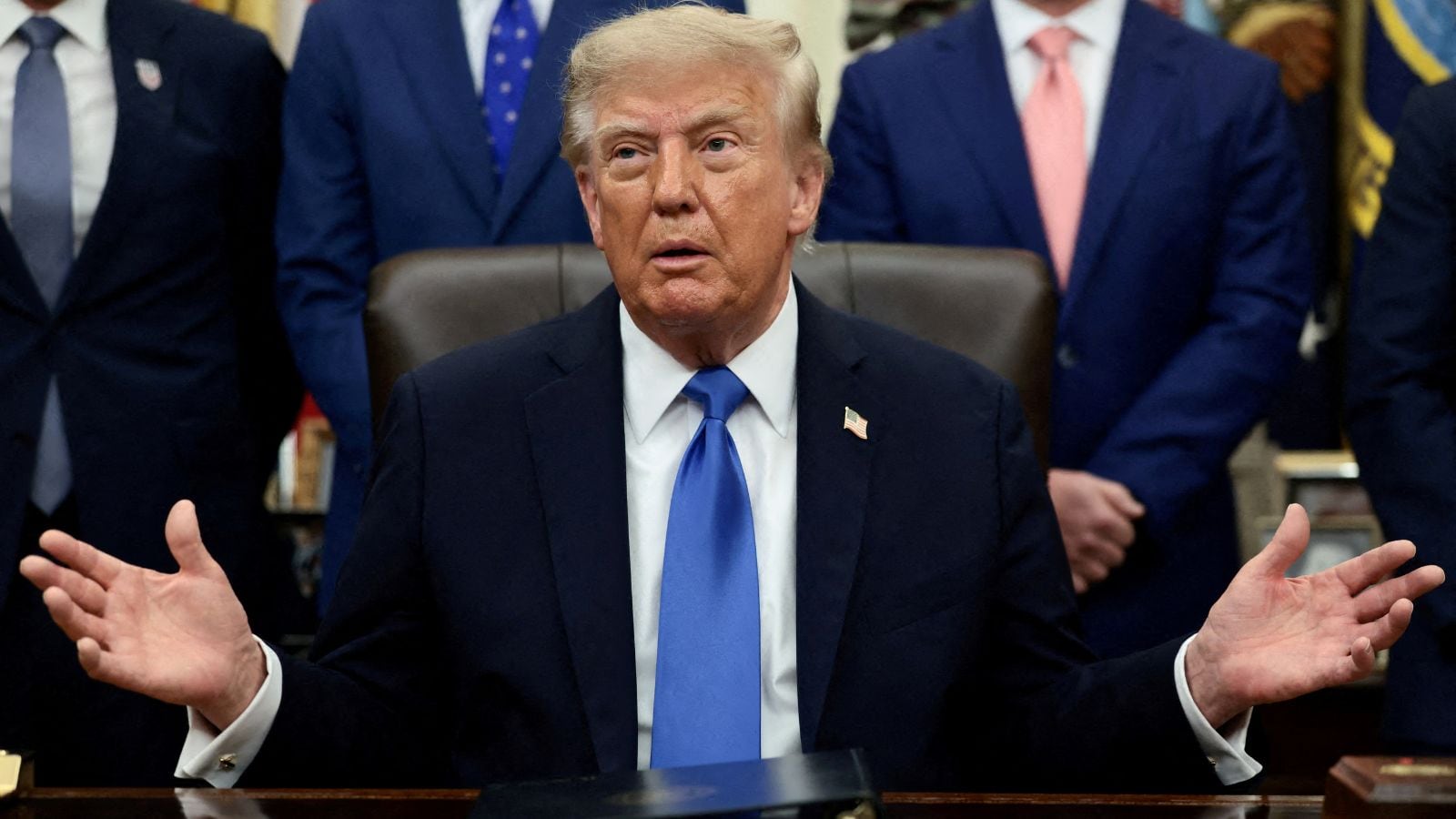
Foreign policy rarely moves in straight lines, yet official Washington and Tehran maintain a persistent choreography of mixed signals. Recent statements from Donald Trump regarding ongoing backchannel communications and an anticipated settlement with Iran reveal only the surface layer of a much deeper, more complex diplomatic struggle. Beneath the public declarations of impending deals lies a grinding reality of economic coercion, entrenched ideological resistance, and severe intelligence mistrust that defies easy resolution.
For decades, the mechanics of U.S. Iran negotiations have relied on third-party intermediaries, secret communiques, and calculated ambiguities. When political leaders signal that a settlement is within reach, the market reacts, regional allies tense, and intelligence analysts look past the rhetoric to examine the actual leverage points held by both sides. Understanding why these talks persist despite decades of hostility requires examining the structural pressures forcing both capitals back to the table, even as structural barriers continue to block any permanent accord.
The Economic Architecture of Pressure and Survival
Sanctions remain the primary instrument of American leverage, yet their efficacy follows a curve of diminishing returns. The Iranian economy has spent years adapting to a siege mentality, pivoting toward non-Western trade partners, developing domestic workarounds for financial isolation, and finding ways to export crude through shadow networks.
When a leader speaks of a negotiated settlement, the underlying driver is rarely altruism or a sudden softening of ideological stances. It is math. For Washington, maintaining maximum pressure requires constant enforcement and diplomatic capital that could otherwise be deployed elsewhere. For Tehran, the cost of absolute isolation manifests in inflation, currency devaluation, and persistent domestic unrest driven by economic precarity.
Yet, economic pain does not automatically translate into political surrender. Regimes under severe external pressure frequently double down on nationalist narratives, casting concessions as existential defeats. This creates a paradox where both governments publicly express a desire for an arrangement while privately preparing for the collapse of talks. The threat of secondary sanctions keeps global buyers at bay, but it also hardens the resolve of state-controlled mercantile structures within Iran that profit handsomely from the black-market economy created by the sanctions themselves.
The Regional Chessboard and Proxy Realities
No bilateral discussion between Washington and Tehran occurs in a vacuum. The broader Middle East acts as a high-stakes arena where influence is measured through proxy networks, maritime security patrols, and deterrence postures.
Every time diplomats meet or message through Swiss intermediaries, military planners in both countries calculate the immediate tactical fallout. A prospective diplomatic settlement must account for regional security architectures that Washington's traditional allies—most notably Israel and the Gulf states—view through an entirely different lens. For these regional actors, an unverified or hasty accommodation with Tehran risks emboldening regional militias and legitimizing advanced missile and nuclear research programs.
Consequently, any prospective deal must navigate a minefield of conflicting regional imperatives. Tehran views its regional network as an essential forward-defense perimeter. Washington views that same network as a destabilizing force that threatens international commerce and regional stability. Bridging this gap requires more than shared optimism; it demands verifiable verification mechanisms and structural security guarantees that neither side has historically trusted the other to deliver.
The Domestic Political Trap
Diplomacy is fundamentally domestic politics carried out by other means. In Washington, foreign policy regarding Iran remains intensely polarized, making any long-term treaty vulnerable to shifting administrations and congressional pushback. A settlement that lacks bipartisan backing or formal ratification risks becoming a temporary truce that the next White House can dismantle with a single executive signature.
In Tehran, the political calculus is equally constrained. Hardline factions derive their legitimacy from perpetual resistance against American hegemony. Engaging in direct or indirect talks requires careful narrative management to convince domestic constituencies that negotiations do not equal capitulation. When leaders telegraph that a settlement is near, they are often speaking as much to their domestic audiences—signaling pragmatism and economic relief—as they are to foreign capitals.
This domestic vulnerability breeds extreme caution. Compromise is routinely framed by political opponents as weakness. As a result, negotiators often spend more time insulating themselves from domestic criticism than they do resolving the core technical disputes dividing the two nations.
The Illusion of Immediacy
Public declarations of imminent breakthroughs serve a distinct psychological and political function. They project control, calm jittery financial markets, and signal to international observers that diplomacy remains the preferred path over military escalation.
However, seasoned analysts recognize that the gap between diplomatic engagement and a durable settlement is vast. Technical committees must untangle years of accumulated mistrust, disputed enrichment metrics, asset unfreezing schedules, and regional security parameters. These are not issues resolved by a single summit or a handshake. They require meticulous, unglamorous, and often painfully slow bureaucratic labor.
The reality on the ground remains defined by strategic competition rather than sudden reconciliation. Talks continue because neither side can afford the alternative of total, unmanaged conflict, yet neither side possesses the political capital required to bridge the foundational chasm dividing them. Until those structural realities shift, the diplomatic dance will persist—marked by periodic optimism, sudden setbacks, and the quiet, unending work of managing a rivalry that defines an entire geopolitical era.