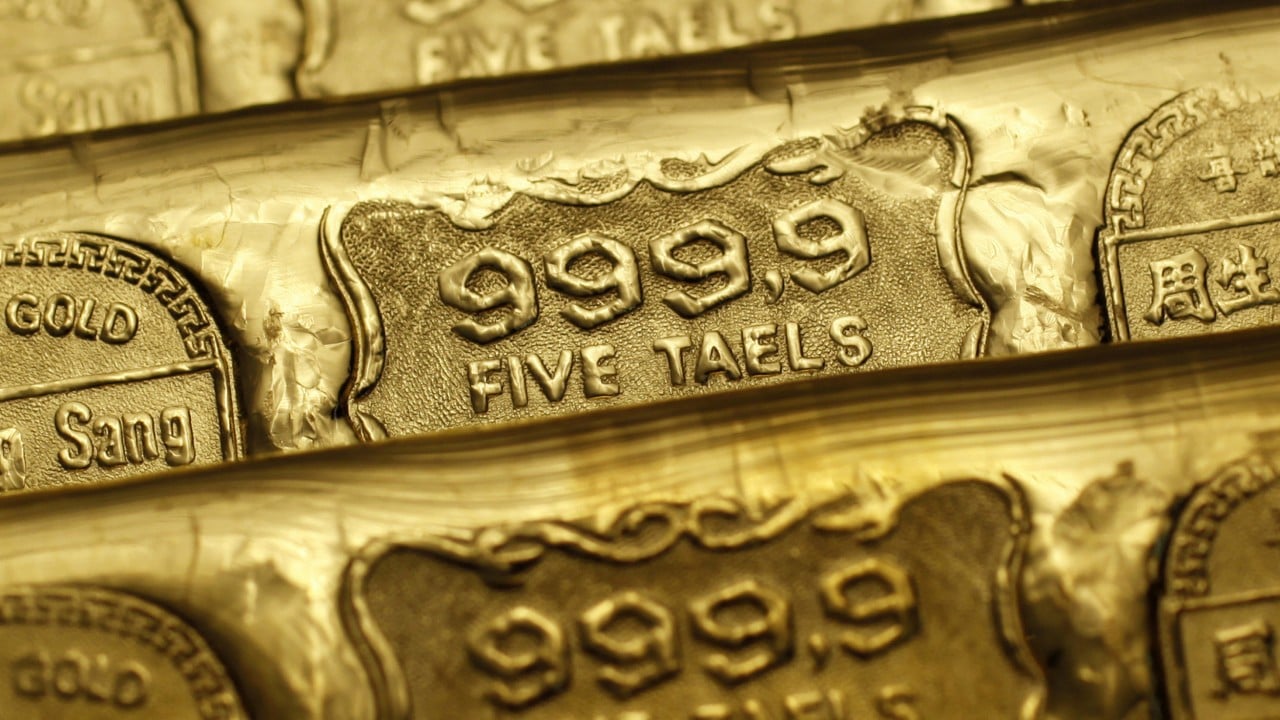
You can't blame retail investors for chasing a hot streak. For the first four months of the year, Chinese capital poured into gold exchange-traded funds (ETFs) at a feverish pace. Fear drove the trade. Local equities looked shaky, properties were bleeding value, and holding cash felt like waiting for the floor to drop.
Then June arrived, and the narrative flipped entirely.
Data from the World Gold Council shows Chinese investors pulled a massive $2.91 billion out of domestic gold ETFs in June alone. It marks the sharpest single-month outflow the region has ever recorded. Giant funds like the Huaan Yifu Gold ETF saw more than $1.1 billion walk out the door, while peers like the Guotai Gold ETF and E Fund Gold suffered similar swift liquidations.
This isn't a panic sell. It's a calculated rotation. Chinese investors are locking in profits after a massive bullion run and throwing that cash directly into a reviving domestic stock market.
The Sudden Pull of the Equity Market
What changed? Basically, risk appetite came back with a vengeance.
Local equity markets started picking up momentum, offering a high-return alternative that made gold look lazy by comparison. When local stocks rally, the opportunity cost of holding a non-yielding asset like bullion goes through the roof. Investors who used gold as a temporary shelter decided it was time to put their capital back to work in equities.
A strengthening renminbi compounded the shift. Because local currency strength dulls the return of gold measured in yuan, domestic bullion prices faced extra pressure. The Shanghai Gold Benchmark Price slumped, giving investors a clear signal to grab their profits while they were still fat.
June 2026 Chinese Gold ETF Flows:
- Total Outflow: $2.91 billion (Record high)
- Huaan Yifu Gold ETF Outflow: $1.14 billion
- Guotai Gold ETF Outflow: $352.1 million
This massive June retreat completely altered the short-term regional picture, pushing Asia to a total monthly outflow of $2.3 billion. Yet, if you step back, the broader structural trend remains incredibly strong. Even with the June exodus, Asian gold ETFs brought in a net $12 billion over the first half of the year. It's still the best first-half performance the region has ever seen.
The Retail and Central Bank Disconnect
Here is the twist that most mainstream commentary misses: while retail investors are dumping their ETF shares to chase stock market green shoots, the institutional backstop isn't moving.
The People’s Bank of China (PBoC) operates on a completely different timeline than a retail trader day-trading index options. The central bank recently reported its 19th consecutive month of gold accumulation, picking up another 10 tonnes of bullion. That brings China's official reserves to 2,332 tonnes.
Sovereign reserve managers don't care about short-term equity momentum. They buy gold to diversify away from the US dollar and shield themselves against systemic macro risks. According to the World Gold Council’s latest Central Bank Gold Reserves Survey, 89% of reserve managers expect global official gold holdings to keep rising over the next year.
This creates a fascinating divergence in the domestic market. Regular citizens and local funds are taking profits and moving back into equities, but the state is staying the course, building a permanent floor under the gold market.
Wholesale Gold and Jewelry Feel the Squeeze
The shift away from safe havens isn't just showing up in brokerage accounts. The physical gold market in China is feeling a serious chill too.
Gold withdrawals from the Shanghai Gold Exchange—the gold standard proxy for wholesale demand in the country—dropped to just 64 tonnes in May, plunging 38% month-on-month. On an annual basis, that's a 36% decline, marking the weakest demand for that specific month since 2010.
High prices have simply broken the affordability model for everyday consumers. Jewelry shops are refusing to restock their inventories because consumers are pushing back against record premiums. Added tax burdens on retailers have made them incredibly cautious about holding expensive inventory that might sit in a display case for months.
Actionable Steps for Portfolio Allocation
If you're watching this capital rotation from the outside, don't read it as the death of the gold bull market. It's standard market mechanics. If you want to manage your allocation based on these shifts, focus on these tactical realities:
- Watch the Local Currency Premium: Keep an eye on the spread between the Shanghai Gold Benchmark and global spot prices. When the renminbi strengthens, domestic premiums shrink, creating better entry points for long-term physical buyers.
- Don't Overreact to ETF Churn: Retail ETF flows are highly cyclical and follow short-term momentum. Use these sentiment-driven pullbacks to build positions if your long-term thesis relies on macro hedging.
- Track the Central Bank Floor: As long as central banks buy physical tons on dips, massive structural liquidations are unlikely. Let the retail money chase equity beta while you keep your core defensive allocations intact.
The record-breaking outflows from Chinese gold ETFs don't mean the asset has lost its utility. They show that local investors finally have options again. For the past year, gold was the only game in town for capital preservation. Now that equities are flashing green, money is doing what it always does: hunting for velocity.