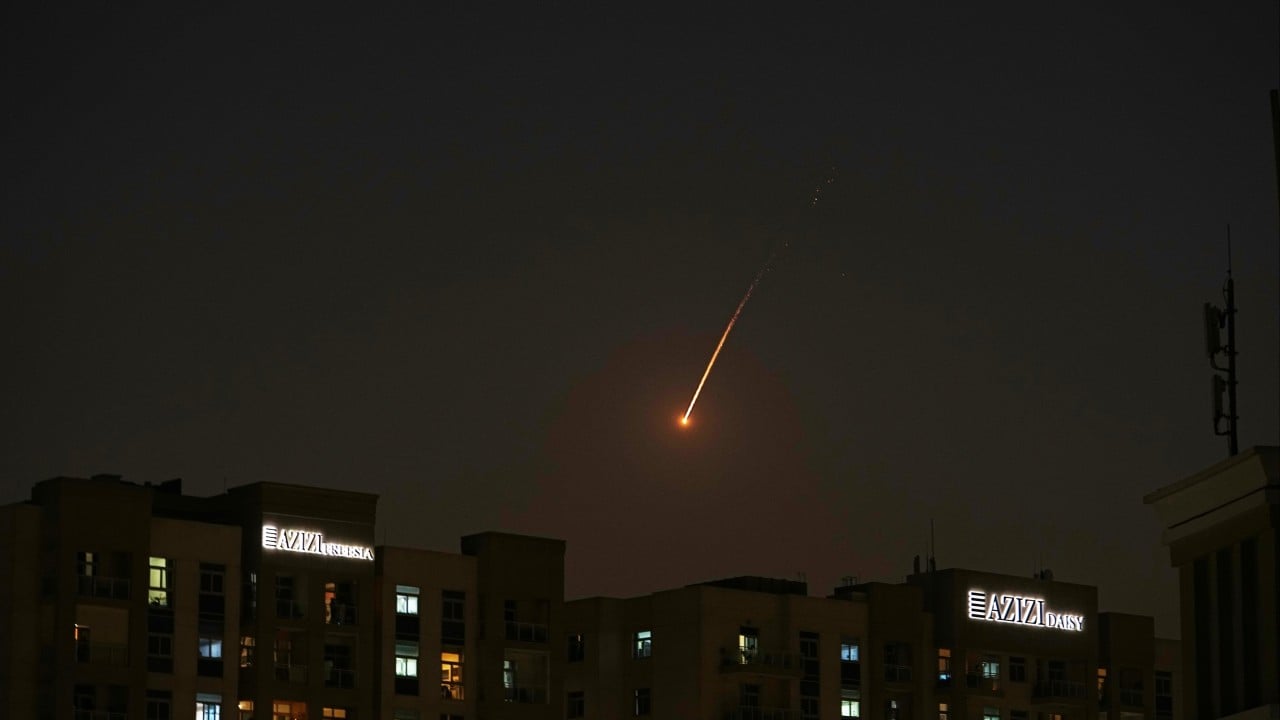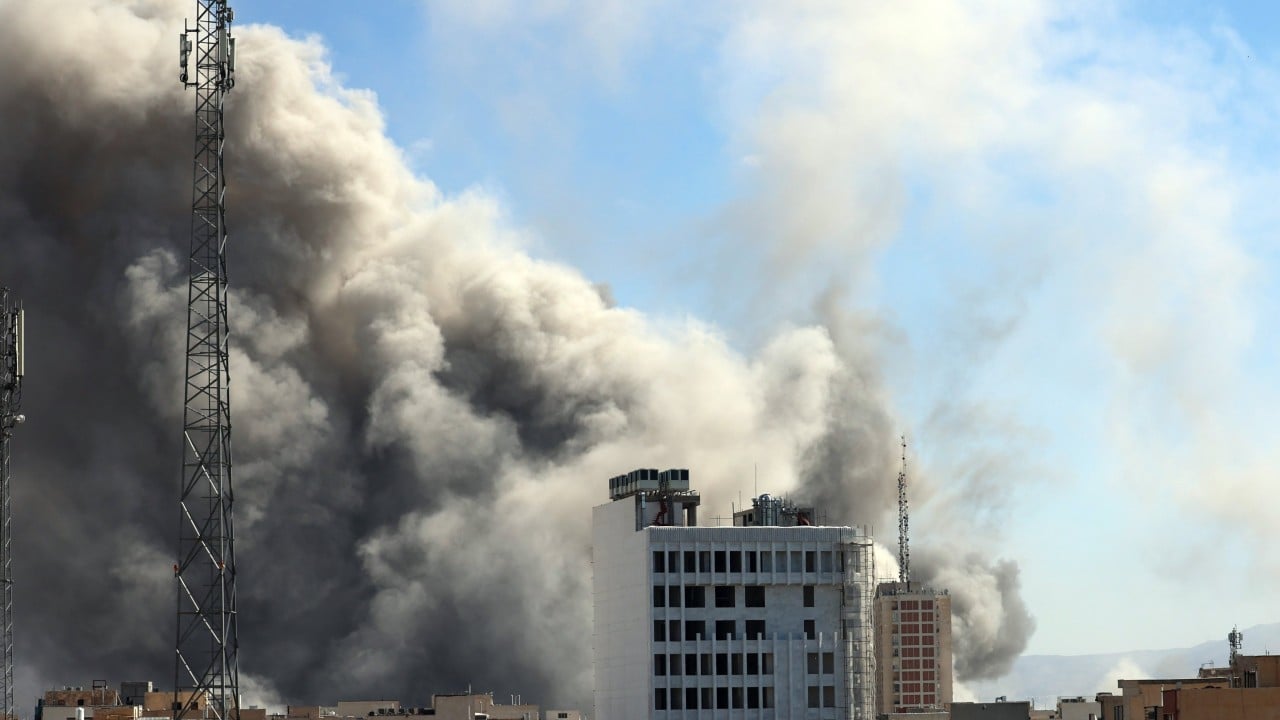
The ground in Tehran didn't just shake from the explosions during the recent US-Israeli strikes. It sent a literal shockwave through the boardrooms of Beijing and Shenzhen. If you're a Chinese executive with skin in the game in Iran, you aren't just worried about missed meetings. You're looking at a multi-billion-dollar "comprehensive strategic partnership" that suddenly looks like a house of cards.
For years, the narrative was simple. China provides the cash and the tech, and Iran provides the cheap, sanctioned oil that fuels the world’s second-largest economy. It was a perfect marriage of necessity. But after the February 2026 strikes—Operation Epic Fury—that marriage is facing a brutal reality check. The "ghost fleet" of tankers is idling. Communication lines with local partners have gone dark. The Supreme Leader is dead.
Chinese firms aren't just in limbo. They're terrified.
The Oil Lifeline is Frayed
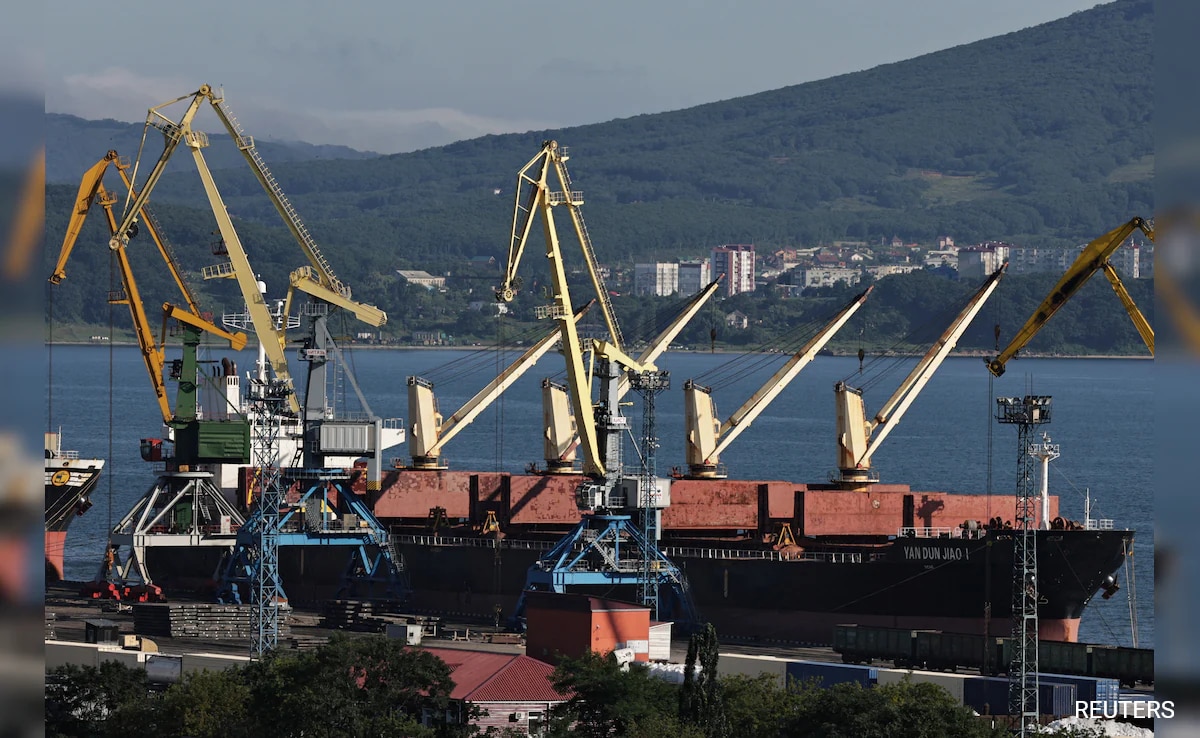
Let’s talk numbers because they’re staggering. China buys roughly 80% of Iran’s oil exports. We’re talking about 1.4 million barrels a day. This isn't just "business." It's energy security. By 2025, over 13% of China’s total seaborne crude came from Iran, almost all of it relabeled as "Malaysian" or "Indonesian" to dodge the US Treasury.
The strikes changed the math. Even though the oil fields themselves weren't the primary targets, the infrastructure supporting them is paralyzed. When the Iranian regime scrambled to maintain control during the strikes, they didn't just shut down the internet. They effectively shut down the bureaucracy that keeps the oil flowing.
Smaller Chinese refiners, known as "teapots" in Shandong province, are the ones feeling the squeeze first. These guys live on the thin margins provided by the steep discounts Tehran offers. If that oil stops or the price spikes because of "war risk" insurance, those refineries go bust. It’s that simple.
Infrastructure Projects are Frozen
Remember that $400 billion deal signed in 2021? The one that was supposed to turn Iran into a hub for the Belt and Road Initiative? It was already moving at a snail's pace. Now, it’s basically a frozen asset.
Chinese giants like Huawei and ZTE have spent a decade building Iran's 5G and surveillance networks. They didn't do it out of the goodness of their hearts. They did it to lock Iran into the Chinese tech ecosystem. But when missiles are flying and the leadership is being decapitated, nobody is worried about installing new base stations.
The Qom-Yiwu rail link, which just launched to connect central Iran to China, is now a target-rich environment. Logistics firms have suspended operations. Shipping through the Strait of Hormuz—where 20 million barrels of oil flow daily—is now a gamble most Chinese state-owned enterprises aren't willing to take.
The Silence from Beijing is Deafening
If you expected China to jump in and defend its "strategic partner," you haven't been paying attention to how Beijing operates. They’re pragmatic to a fault. They’ll condemn the "violation of sovereignty" at the UN, sure. But they aren't sending a carrier group to the Persian Gulf.
China sees a weakened Iran as a double-edged sword. On one hand, a desperate Tehran is even more dependent on Beijing. On the other, a collapsed regime means billions in lost investments and a potential pro-Western government that could rip up every contract signed in the last twenty years.
The current strategy is "quietly awaiting changes." It’s a polite way of saying they’re waiting to see who’s left standing before they write another check.
Secondary Sanctions are the Real Killer
The military strikes are the headline, but the financial strikes are what keep Chinese bankers awake at night. The US is already moving to escalate secondary sanctions targeting the renminbi settlement system (CIPS) that Iran uses to bypass the dollar.
If the US decides to go after the Chinese banks facilitating these trades, the "strategic partnership" becomes a toxic liability. Most large Chinese banks have more to lose from being cut off from the US dollar than they have to gain from Iranian oil. They’ll drop Tehran like a hot stone if the pressure gets high enough. They've done it before.
What Happens Next
If you're currently doing business in the region or looking at the energy markets, don't wait for a formal announcement from the Chinese Foreign Ministry. They won't give you one.
- Watch the Teapots: If the independent refineries in Shandong start switching to Russian or Iraqi crude, you’ll know the Iranian supply chain is officially broken.
- Monitor the Ghost Fleet: Use satellite tracking to see if the tankers normally idling off the coast of Malaysia are moving. If they stay put, the "limbo" is becoming permanent.
- Follow the Yuan: If the volume of trade on the CIPS network drops, it means the big players in Beijing have decided the risk of US sanctions outweighs the benefit of the alliance.
The era of "cheap and easy" Iranian oil is over. Whether it’s replaced by a new, even more lopsided deal or a total withdrawal remains to be seen. Either way, the "limbo" isn't a temporary glitch. It's the new operating reality.