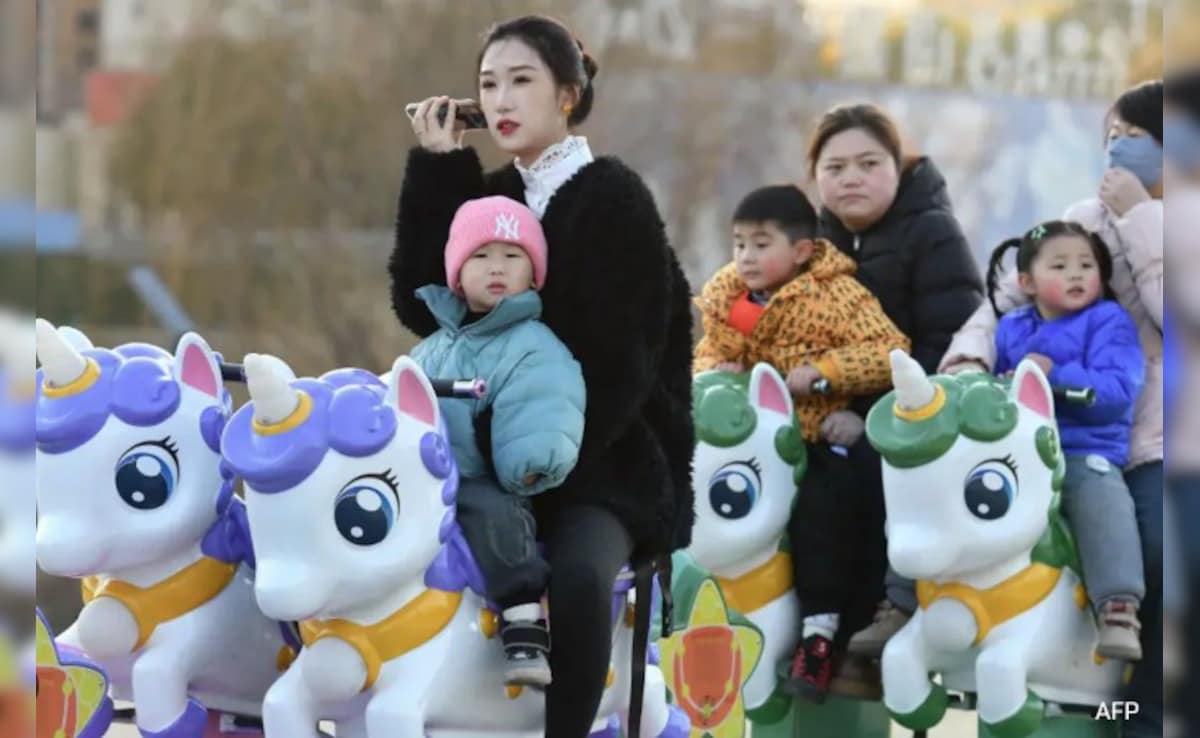
Fan Meishan Vocational Institute isn't your typical rigid academic machine. While most universities across the globe are tightening their grip on attendance and piling on midterms, this Sichuan-based college did something that made international headlines. They gave their students a week off. Not for a "reading period" or "independent study," but specifically to experience the "beauty of nature" and, quite literally, to fall in love.
It sounds like a plot from a low-budget rom-com. It’s real. Since 2023, several vocational colleges under the Fan Mei Education Group have implemented a "Spring Break" policy. The goal is simple. Get students out of the classroom, off their phones, and into the real world where human connection actually happens.
This isn't just about being nice. China is facing a massive demographic shift. Marriage rates are hitting record lows. Birth rates are plummeting. The government is getting nervous. When a college tells its students to go date, it’s a tiny, experimental gear turning in a much larger machine designed to fix a lonely society.
The Logic Behind the Love Break
You might think a week off is just an excuse for students to play video games. The school disagrees. They’ve framed this as an extension of their "sentimental education." That’s a fancy way of saying they want to teach people how to be human again.
The administration at Fan Meishan Vocational Institute realized that technical skills only get you so far. If you can’t communicate, empathize, or build a relationship, you’re going to struggle in the modern workforce and in life. They’re betting that a week spent hiking, traveling, or even just sitting in a park talking to someone will do more for a student's mental health than seven days of lectures.
Most of these students are part of a generation that grew up entirely behind screens. They’re experts at digital interaction but often terrified of face-to-face intimacy. By institutionalizing a break for "love," the school is giving them permission to prioritize their personal lives. It removes the guilt of taking a breather.
Why China is Desperate for More Dates
To understand why this is happening, you have to look at the numbers. In 2022, marriage registrations in China fell to about 6.83 million. That’s the lowest since records began in 1986. People are getting married later, or not at all.
The pressure is immense. Young people in China face a "996" work culture—9 a.m. to 9 p.m., six days a week. When do you have time to meet someone? You don't. You're exhausted. You go home, scroll through Douyin (China’s TikTok), and go to sleep.
Colleges are seeing the burnout early. They know that if students don’t learn how to balance life and work now, they never will. This spring break is a desperate attempt to break the cycle of "involution" or neijuan. That’s the Chinese term for the soul-crushing, hyper-competitive rat race where everyone works harder but no one actually gets ahead.
Beyond the Romance
While "falling in love" makes for a great clickbait headline, the actual directive from the school is broader. They want students to "learn to love nature, love life, and enjoy love."
It’s about emotional intelligence. The school actually gives assignments during this week. Students are encouraged to write diaries, film videos of their travels, or keep track of their personal growth. It's not a total free-for-all. It's a structured push toward mindfulness.
Think about the mental health crisis currently hitting campuses worldwide. Anxiety is peaking. Depression is common. Traditional counseling services are overwhelmed. Giving students a week to breathe and focus on something as fundamental as human connection is a radical, yet remarkably common-sense approach to wellness.
Is This Actually Working
Critics argue that you can't force romance. They’re right. You can't schedule a "meet-cute" between 2 p.m. and 4 p.m. on a Tuesday. Some students inevitably use the time to catch up on sleep or grind in competitive gaming.
But the anecdotes coming out of these programs are telling. Students report feeling less "suffocated" by their coursework. Some have actually started relationships. Others simply reconnected with their families. The success shouldn't be measured by how many wedding invitations are sent out six months later. It should be measured by the reduction in burnout.
The "Spring Break" experiment is spreading. What started at one or two vocational schools is being watched closely by larger, more prestigious universities. If it works for vocational students, why wouldn't it work for future doctors and engineers?
The Social Stigma of Staying Single
There’s a heavy cultural layer here that Western observers often miss. In China, being a "leftover woman" or a "bare branch" (a man who can't find a wife) carries a massive social cost. Parents often take to "marriage markets" in public parks, clutching resumes of their children to trade with other parents.
By encouraging dating in college, the schools are trying to lower the stakes. They’re trying to make it natural rather than a high-pressure transaction orchestrated by parents. They want students to find their own partners based on shared interests and genuine affection, rather than financial stability or family approval.
It’s a shift from the traditional "study first, love later" mentality. For decades, Chinese students were told that dating in high school or even early college was a distraction. Now, the script has flipped. The authorities realize that if you wait too long to teach people how to date, they might just give up on the idea entirely.
Lessons for the West
We have a loneliness epidemic too. In the U.S. and Europe, younger generations are reporting fewer friends and less frequent romantic encounters than their predecessors. We tend to treat college as a purely vocational factory. We focus on STEM, ROI, and career outcomes.
Maybe the Chinese vocational schools are onto something. We ignore the "soft" side of development at our own peril. A student who graduates with a 4.0 GPA but zero ability to maintain a long-term relationship is missing a critical component of a successful life.
We don't need to mandate "love weeks," but we could certainly learn to value the spaces between the classes. We could stop seeing leisure as "lost productivity."
How to Replicate the Vibe Without a Formal Break
You don't need a university decree to change how you approach your social life. If you're feeling the "involution" in your own life, you can start small.
- Put the phone away. Seriously. The next time you're in a public space, don't use your screen as a shield.
- Join a physical hobby group. Not a Discord server. A real-world group. Hiking, pottery, pick-up basketball. It doesn't matter.
- Value "unproductive" time. If you feel guilty for sitting in a park for an hour doing nothing, ask yourself why. Who told you that every minute has to be "optimized"?
- Initiate. Most people are just waiting for someone else to say hello first.
The Chinese "Love Break" is a signal. It’s a sign that even the most rigid systems are starting to realize that humans aren't machines. We need more than just data and degrees. We need each other.
Stop waiting for a formal invitation to live your life. Go outside. Talk to a stranger. Take a walk without a podcast playing in your ears. The world is a lot bigger than your syllabus or your job description.
Don't let the fear of being "unproductive" stop you from being human. The real "involution" is forgetting how to connect with the person standing right in front of you. Go find your own spring break, even if your school or job hasn't given you one yet.