China just sent a blunt message to Tokyo. Stay out of Taiwan. Beijing calls it a "red line" that can’t be crossed, and they aren't whispering. This isn't just another diplomatic spat between neighbors. It's a high-stakes standoff that could reshape the Pacific. If you think this is only about a small island, you're missing the bigger picture. This is about who runs the show in Asia.
Japan has been getting bolder lately. They've increased defense spending and talked openly about how a Taiwan emergency is a Japanese emergency. Beijing hates that. For the Chinese Communist Party, Taiwan is a domestic issue, not an international one. When Japan weighs in, it hits a historical nerve that goes back over a century. You can’t understand today’s tension without looking at the scars of the past.
The Weight of History in the Taiwan Strait
Japan ruled Taiwan as a colony from 1895 to 1945. That's fifty years of history that Beijing hasn't forgotten. When Chinese officials tell Japan to back off, they’re reminding Tokyo of its imperial past. They feel Japan has a "historical debt" to pay. This makes the Taiwan issue deeply emotional for China. It’s not just strategy; it’s pride.
The conflict didn't start yesterday. It’s a slow-motion wreck that’s been happening for decades. After World War II, Taiwan went back to China. Then the Chinese Civil War happened. The Nationalists fled to the island in 1949, and the Communists took the mainland. Since then, two different systems have existed side by side. One is a booming democracy. The other is a global superpower that insists the island belongs to them.
China’s "One China" principle is the foundation of its foreign policy. They demand that every country they trade with recognizes Taiwan as part of China. For a long time, Japan played along with a "strategic ambiguity." They recognized Beijing but kept unofficial ties with Taipei. That balance is now screaming toward a breaking point.
Why Japan is Moving Closer to the Red Line
You might wonder why Japan cares so much. Look at a map. Taiwan sits right on Japan’s doorstep. Specifically, it’s near the Yonaguni and Ishigaki islands. If China takes Taiwan, they control the sea lanes that Japan uses for almost all its energy and food imports. It’s a literal chokehold.
Japan’s former Prime Minister Shinzo Abe famously said that a Taiwan crisis is a Japanese crisis. That sentiment has only grown stronger under Fumio Kishida. Japan is now buying Tomahawk missiles from the U.S. and turning its southern islands into fortresses. They aren't just talking anymore; they’re prepping.
The U.S. is the third player in this dangerous game. Japan is the anchor of the U.S. military presence in Asia. If the U.S. decides to defend Taiwan, those missions will likely launch from Japanese bases. This puts Tokyo in the crosshairs. Beijing knows this. Their warnings to Japan are a way to try and peel Tokyo away from Washington. It’s a "divide and conquer" tactic that hasn't really worked yet.
A Timeline of Growing Friction
Tracking this conflict shows a clear escalation. It’s a ladder of tension where each step gets more dangerous.
- 1972: Japan and China normalize relations. Japan breaks official ties with Taiwan but stays "friends" with the island.
- 1995-1996: The Third Taiwan Strait Crisis. China fires missiles near Taiwan. The U.S. sends carrier groups. Japan watches nervously.
- 2021: Japan's Defense White Paper mentions the stability of Taiwan is vital for Japan's security for the first time.
- 2022: After Nancy Pelosi visits Taiwan, China fires missiles into Japan’s Exclusive Economic Zone (EEZ). This was a huge wake-up call for Tokyo.
- 2024-2025: Increased Chinese air and naval drills near Taiwan. Japan responds by deploying more troops and anti-ship missiles to its southwestern islands.
The rhetoric has shifted from "let's work together" to "don't you dare." Every time a Japanese official visits Taipei, Beijing responds with military drills. It’s a repetitive cycle of provocation and reaction.
The Economic Stakes Are Terrifying
If a conflict actually breaks out, the global economy hits a wall. Think about your phone, your car, and your laptop. Most of the advanced chips inside them come from TSMC in Taiwan. If that supply chain breaks, the world stops. Japan knows this better than anyone. Their tech industry is tightly woven with Taiwan’s.
It’s not just about chips. The Taiwan Strait is one of the busiest shipping routes on the planet. Half of the world’s container ships pass through it. A war there would cause insurance rates to skyrocket and global trade to freeze. We're talking about a global depression, not just a recession.
China uses this economic leverage as a weapon. They often slap trade bans on Taiwanese fruit or Japanese goods when they’re angry. But it's a double-edged sword. China's own economy is struggling. They need Japanese investment and technology. This creates a weird situation where the two countries are screaming at each other while their businesses are still trying to sign deals.
Military Reality on the Ground
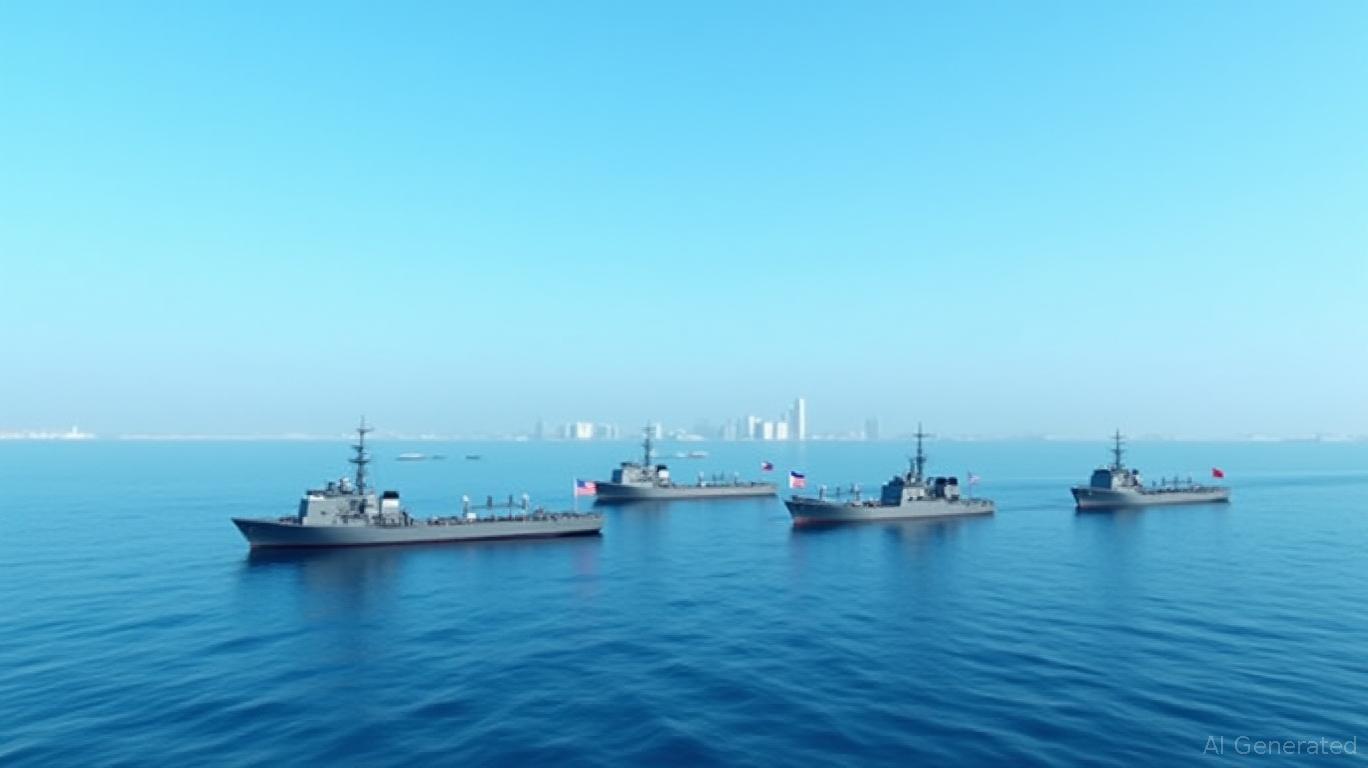
China’s People’s Liberation Army (PLA) has spent the last twenty years building a navy designed to keep the U.S. and Japan at bay. They have more ships than the U.S. Navy now. They have "carrier killer" missiles. Their goal is "Anti-Access/Area Denial" (A2/AD). Basically, they want to make it too expensive and too bloody for anyone else to interfere in Taiwan.
Japan’s Self-Defense Forces (SDF) are highly capable but historically limited by their pacifist constitution. That’s changing. Japan is reinterpreting its laws to allow for "collective self-defense." This means they can help an ally (like the U.S.) even if Japan itself isn't under direct attack. Beijing sees this as a return to Japanese militarism.
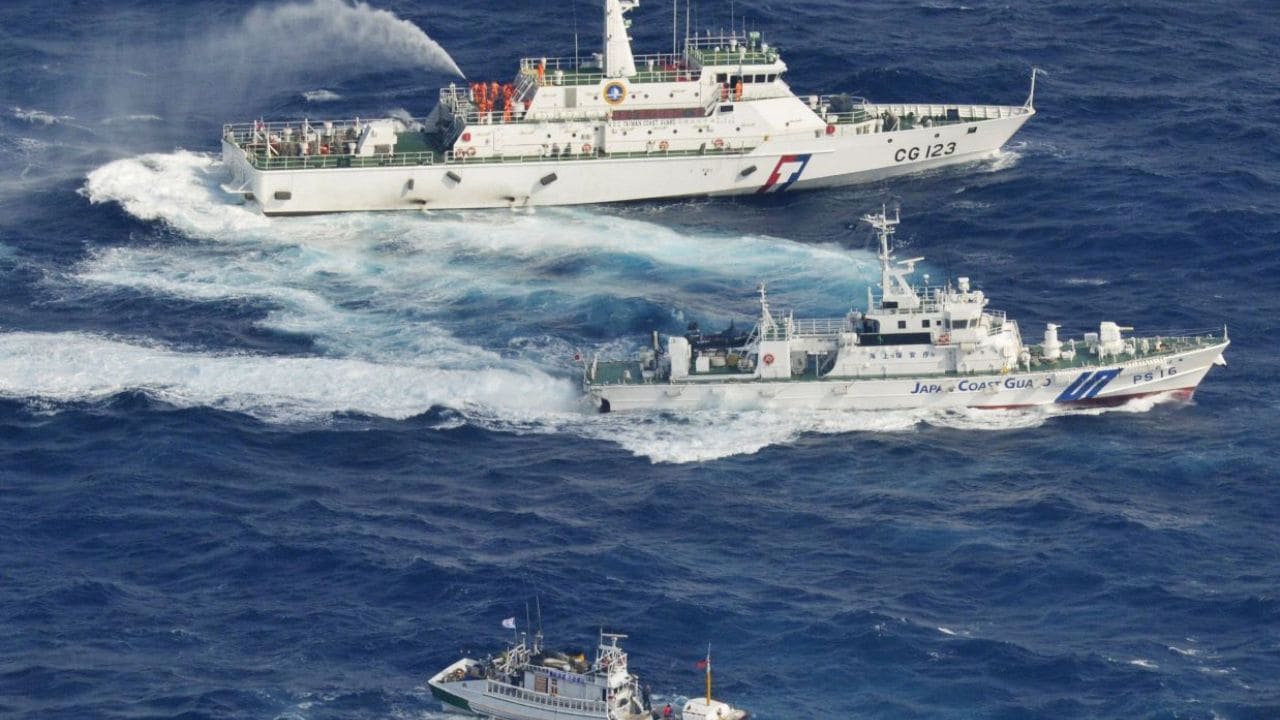
The gray zone is where the real daily fight happens. Chinese coast guard ships constantly enter waters around the Senkaku Islands, which Japan controls but China claims. These aren't full-scale battles. They are "tests" of will. China wants to tire Japan out. They want to make the cost of defending these areas so high that Tokyo eventually gives up.
What You Should Watch For Next
The "red line" isn't a static thing. It moves. What was unthinkable ten years ago is now common. You need to keep an eye on three specific triggers.
First, watch for Japan’s participation in joint military drills with the U.S. and the Philippines near Taiwan. This "tripartite" cooperation is China's nightmare. If these drills become permanent or involve Taiwan directly, expect a massive reaction from Beijing.
Second, look at the language coming out of Tokyo regarding Taiwan’s status in international organizations. If Japan starts pushing for Taiwan to join groups like the WHO or trade blocs as a sovereign-like entity, Beijing will see it as a direct violation of their "One China" agreement.
Third, pay attention to the buildup of long-range strike capabilities. Japan is moving from a "shield" to a "spear." If Japan starts basing missiles that can reach the Chinese mainland on its southern islands, the "red line" conversation turns into a "pre-emptive strike" conversation.
This isn't a conflict that will be "solved" soon. It’s a permanent feature of the new Cold War in the Pacific. Beijing will keep drawing lines, and Tokyo will keep testing them because they feel they have no choice. The margin for error is getting thinner every day.
Start following the defense reports coming out of the Japanese Ministry of Defense and the official statements from the Chinese Ministry of Foreign Affairs. Don't just read the headlines about "war." Look at the logistics—where the missiles are being placed and who is talking to whom. That’s where the real story is written. The "red line" is being drawn in the sand, and the tide is coming in fast.