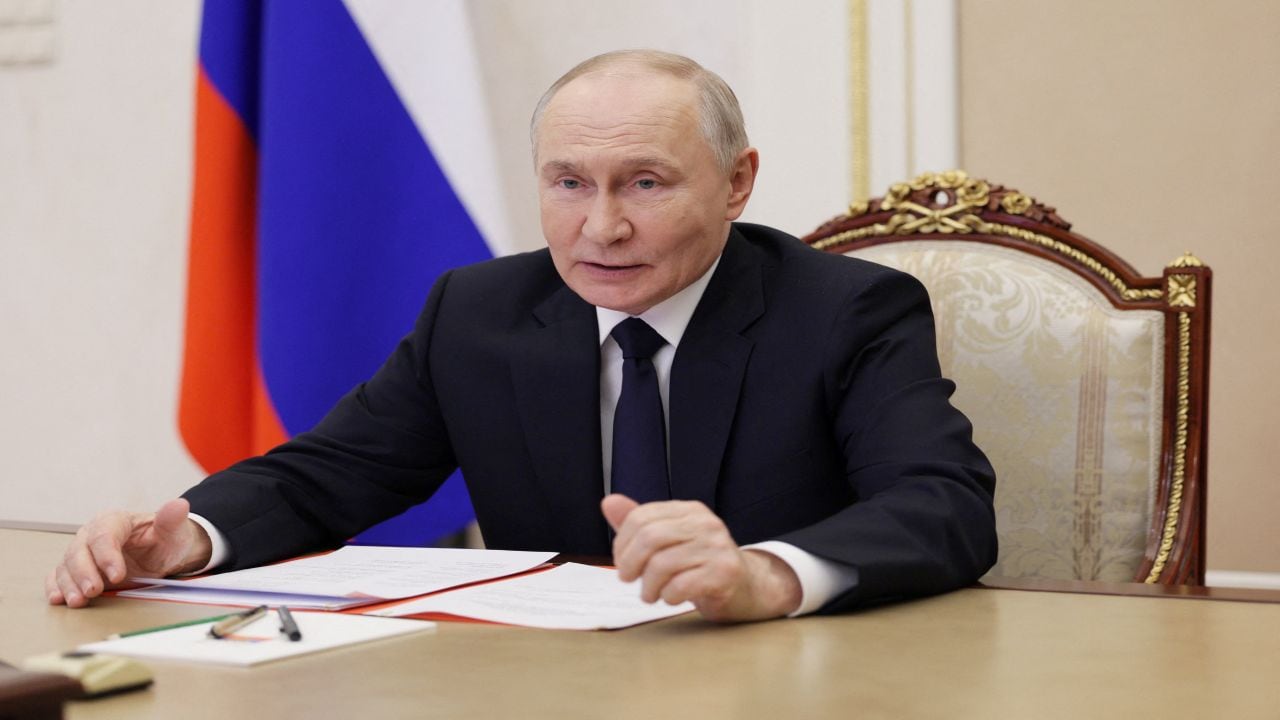
A ceasefire is not peace. In the brutal, zero-sum calculus of Eastern European geopolitics, a pause in firing is merely a reload. The mainstream press is currently tripping over itself to frame Vladimir Putin’s May 8-9 ceasefire announcement as a momentary "softening" or a nod to the shared history of World War II. This interpretation is dangerously naive. It mistakes a tactical reset for a humanitarian impulse.
If you think this forty-eight-hour window is about honoring the "Great Patriotic War," you haven't been paying attention to how modern hybrid warfare actually functions. This isn't a white flag. It’s a dry run for a logistics surge.
The Myth of the Sacred Date
Western analysts love to romanticize the Russian obsession with May 9. They see the parades and the "Immortal Regiment" marches and conclude that the date holds a mystical, untouchable status that can force a halt in kinetic operations. This is a fundamental misunderstanding of the Kremlin’s relationship with history.
For the current administration in Moscow, history is a tool of statecraft, not a set of rules. The "sacredness" of May 9 is exactly why it is the perfect cover for a strategic pivot. By announcing a ceasefire, Putin buys domestic political capital—playing the role of the statesman honoring the fallen—while simultaneously forcing Kyiv into a Catch-22.
If Ukraine honors the ceasefire, Russia uses those forty-eight hours to rotate exhausted frontline units and move heavy equipment closer to the contact line without the threat of FPV drones or HIMARS strikes. If Ukraine ignores the ceasefire and continues its defense, the Kremlin’s propaganda machine paints Kyiv as "blasphemous" and "anti-heroic," further radicalizing the Russian populace for the next wave of mobilization.
Logistics Under the Cloak of Silence
Ask anyone who has managed supply chains in a high-intensity conflict: the biggest enemy of movement is observation. In the current Ukrainian theater, the sky is never empty. Constant ISR (Intelligence, Surveillance, and Reconnaissance) means that moving a battalion-sized element is a suicide mission.
A ceasefire creates "noise" in the data. When the guns go silent, the temptation to relax surveillance—or the political pressure to "not provoke"—gives the aggressor a window.
Imagine a scenario where the Russian military needs to bridge a specific gap in the Donbas or reinforce a crumbling flank near Zaporizhzhia. Under normal conditions, that movement would be spotted and deleted by precision artillery within twenty minutes. Under a "Victory Day Truce," that same movement is masked by the fog of diplomacy. They aren't stopping the war; they are fixing the plumbing of their war machine.
The Ruse of the Moral High Ground
The "People Also Ask" sections of the internet are currently flooded with variations of: "Is the Ukraine war finally ending?"
The honest, brutal answer is no. This is a performance.
By offering a truce, Putin targets the "peace at any cost" faction in Western parliaments. He provides ammunition to skeptics in Washington and Brussels who want to freeze the conflict on current lines. They will point to this forty-eight-hour window as proof that "negotiation is possible."
It’s a classic psychological operation. You offer a small, meaningless concession to create the illusion of flexibility. Meanwhile, the strategic goals—the neutralization of Ukrainian sovereignty—remain unchanged. I have watched political leaders fall for this "salami slicing" of concessions for decades. You don't win a marathon by stopping to let your opponent tie their shoes; you win by outlasting their capacity to breathe.
The Cost of the "Pause"
There is a measurable physical cost to these pauses. Military momentum is a real variable in the physics of combat. When a force is on the defensive, like Ukraine, they rely on maintaining a "high-alert" status. Breaking that rhythm, even for two days, causes a localized drop in readiness.
Why the "Lazy Consensus" is Wrong:
- Consensus: Putin is running out of steam and needs a break.
- Reality: Putin is managing his domestic audience. The parade in Red Square needs a narrative of strength, not a backdrop of active retreats.
- Consensus: This could lead to a broader peace talk.
- Reality: This is a localized tactical maneuver. Peace talks require a common reality; currently, both sides are operating in different dimensions of "truth."
The Intelligence Blind Spot
The West’s reliance on SIGINT (Signals Intelligence) and satellite imagery can lead to a false sense of security during a ceasefire. If the radios go dark because of a "truce," it doesn't mean the troops have left. It means they are practicing radio silence while they dig deeper trenches.
We see this in corporate turnarounds all the time. A CEO announces a "strategic pause" in hiring or expansion. To the outside observer, it looks like the company is stalling. Inside, the C-suite is usually firing the bottom 10% and restructuring debt so they can pivot aggressively in the next quarter.
Russia is doing the same with its military assets. They are clearing the "technical debt" of their invasion—repairing tanks, repositioning fuel depots, and recalibrating their glide bomb coordinates.
Stop Asking if it’s "Good News"
The question isn't whether a ceasefire is "good." The question is: "Who does this time benefit more?"
If you are the defender, time is usually on your side—unless that time is used by the aggressor to bypass your primary defenses. Ukraine’s survival depends on its ability to keep the Russian military in a state of constant attrition. Every hour that a Russian T-90 isn't being hunted is an hour it’s being prepped to kill more Ukrainians on May 10.
This is the controversial truth nobody admits: humanitarian gestures in a total war are often just force multipliers in disguise. You cannot apply the ethics of a Sunday school class to the reality of trench warfare.
The Actionable Reality
For the observers in the West, the order is simple: ignore the rhetoric. Watch the rail lines. Watch the fuel depots. If the "ceasefire" isn't accompanied by a verifiable withdrawal of heavy assets from the strike zone, it isn't a ceasefire. It’s an ambush in slow motion.
Kyiv knows this. They’ve seen this script before in 2014, 2015, and 2022. Every time Moscow talks about "de-escalation" or "gestures of goodwill," a fresh offensive follows within weeks.
Don't be the mark in this con. The 8th and 9th of May won't be about peace. They will be the most dangerous forty-eight hours of the year because they provide the perfect darkness for a predator to move.
Stop looking for the exit ramp. This is a highway that only ends when one side can no longer drive.