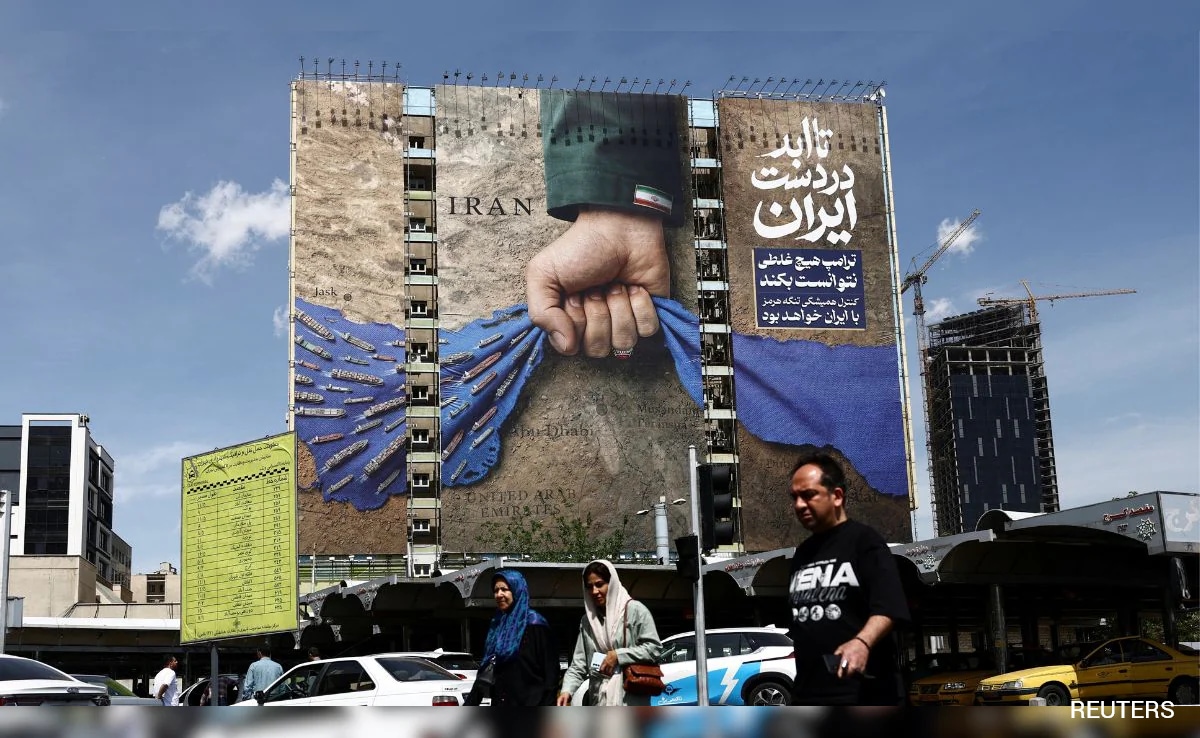
The headlines are shouting "Terminated" like it’s a done deal. The Trump administration is taking a victory lap because they beat a 60-day deadline, and the markets are breathing a collective, naive sigh of relief. If you believe the war is over just because a document was signed ahead of schedule, you aren't paying attention to history, economics, or the reality of power dynamics in the Middle East.
A ceasefire isn't peace. It’s a tactical pause. In the world of high-stakes diplomacy, "terminating" a war early is often a signal that the real conflict is simply moving underground or into the digital and financial sectors. This isn't a resolution; it’s a pivot.
The Myth of the Hard Deadline
The obsession with the 60-day window is a corporate mindset applied to a tribal and ideological struggle. Washington loves a deadline because it looks good on a quarterly report. It suggests efficiency and dominance. But geopolitics doesn't follow a Gantt chart.
By rushing to announce a termination before the clock ran out, the administration has prioritized optics over infrastructure. You don't dismantle decades of proxy networks and ideological fervor in eight weeks. When you force a "termination" this quickly, you leave the wires live and the gas leaking.
I’ve watched executives rush product launches to hit a fiscal year-end, only to spend the next three years cleaning up the technical debt. This ceasefire is the geopolitical equivalent of technical debt. The "bugs" in this agreement—unresolved border disputes, enrichment levels, and regional influence—haven't been fixed. They’ve just been hidden behind a press release.
Peace is a Terrible Investment Strategy
Wall Street is currently pricing in stability. They’re wrong.
The "terminated" war narrative creates a false sense of security that leads to capital misallocation. Investors are looking at reconstruction contracts and normalized trade routes as if the risk has evaporated. It hasn't. It has morphed.
True stability requires a shared incentive structure where both parties lose more by fighting than they gain by posturing. This agreement doesn't provide that. It provides a temporary reprieve based on exhaustion, not alignment. The moment one side feels its grip on internal power slipping, the "terminated" war will be restarted under a different name.
If you’re moving money based on the idea that the Middle East is now a "safe" bet because of a signed paper, you’re ignoring the volatility inherent in a region where "ceasefire" is often synonymous with "re-arming."
The Proxy Trap Nobody is Mentioning
The competitor articles focus on the bilateral optics between Washington and Tehran. This is a massive oversight.
War in the 21st century is rarely bilateral. It’s a web. You can "terminate" a direct conflict, but unless you’ve accounted for every militia, every digital asset, and every third-party state interest from the Levant to the Gulf, you’ve accomplished nothing.
The administration’s claim of an early termination assumes that the central authorities have total control over their fringes. They don't. History shows us that top-down peace treaties often trigger bottom-up insurgencies. The "termination" of the formal war often acts as the starting gun for an asymmetrical shadow war that is harder to track and impossible to "sign" away.
Why "Terminated" is a Dangerous Word
Terminology matters. By using the word "terminated," the administration is attempting to close a file that is still very much open. This creates a dangerous blind spot for intelligence and policy.
When a project is "terminated," funding moves elsewhere. Attention shifts. Resources are reassigned. In the context of Iran, shifting attention away because of a symbolic victory is a recipe for disaster. The moment the US declares the job done and moves its focus to other theaters, the vacuum will be filled.
We saw this in Iraq. We saw this in Afghanistan. The American habit of declaring "Mission Accomplished" or "War Terminated" is a recurring fever dream that ignores the messy reality of occupation and influence.
The Nuance of the 60-Day Sprint
Let’s talk about the 60-day deadline. Why was it there? To create pressure. But pressure without a release valve leads to explosions.
If the administration forced a signature to beat the clock, they likely traded away long-term enforcement mechanisms for short-term political points. A "superior" agreement would have been one that took 90 days but included ironclad, verifiable protocols for every centrifuge and every missile silo. Instead, we got a speed-run of diplomacy.
In any negotiation I’ve ever been a part of, the person who is most desperate to finish "on time" is the one who leaves the most value on the table. Tehran knows this. They played the clock, gave Washington the headline it wanted, and likely kept the underlying machinery of their regional strategy intact.
The Fallacy of the Strongman Reset
There is a "lazy consensus" among pundits that this is a "strongman" victory—that the sheer will of the administration forced Iran’s hand.
This ignores the internal pressures within Iran that have nothing to do with US policy. The Iranian economy is a tinderbox. Civil unrest is simmering. They didn't sign because they were "defeated"; they signed to buy time to handle their own internal fires.
This isn't a victory for American diplomacy; it’s a strategic retreat by an adversary that is regrouping. By framing it as a "termination," we are falling for our own propaganda. We are treating a tactical retreat as a total surrender.
Stop Asking if the War is Over
The media is asking, "Is the war finally over?" That is the wrong question.
The right question is: "What does the next phase of this conflict look like?"
Conflict between these two powers is foundational. It’s built into their respective identities and geopolitical goals. You don't "terminate" a foundational conflict. You manage it. You mitigate it. You hope to keep it from going nuclear.
By claiming the war is "terminated," the administration is lying to the public and, quite possibly, to themselves. It sets a standard for success that is impossible to maintain. The first time a proxy group fires a rocket or a cyberattack hits a utility grid, the "terminated" narrative collapses.
The Actionable Reality
If you are a business leader or a policy analyst, do not change your risk profile based on this news.
- Maintain your hedges. The volatility hasn't disappeared; it’s just been suppressed.
- Watch the proxies. The real status of the "termination" will be visible in Yemen, Lebanon, and Iraq, not in a DC press briefing.
- Ignore the "deadline" hype. Speed is the enemy of stability in treaty-making.
The administration wants you to believe the dragon is dead. In reality, they’ve just put it in a cage with a very flimsy lock and started selling tickets to the show.
Stop looking at the signature. Start looking at the ink. If it’s still wet, the deal is still moving. And if it’s moving, it’s not terminated. It’s just getting started.