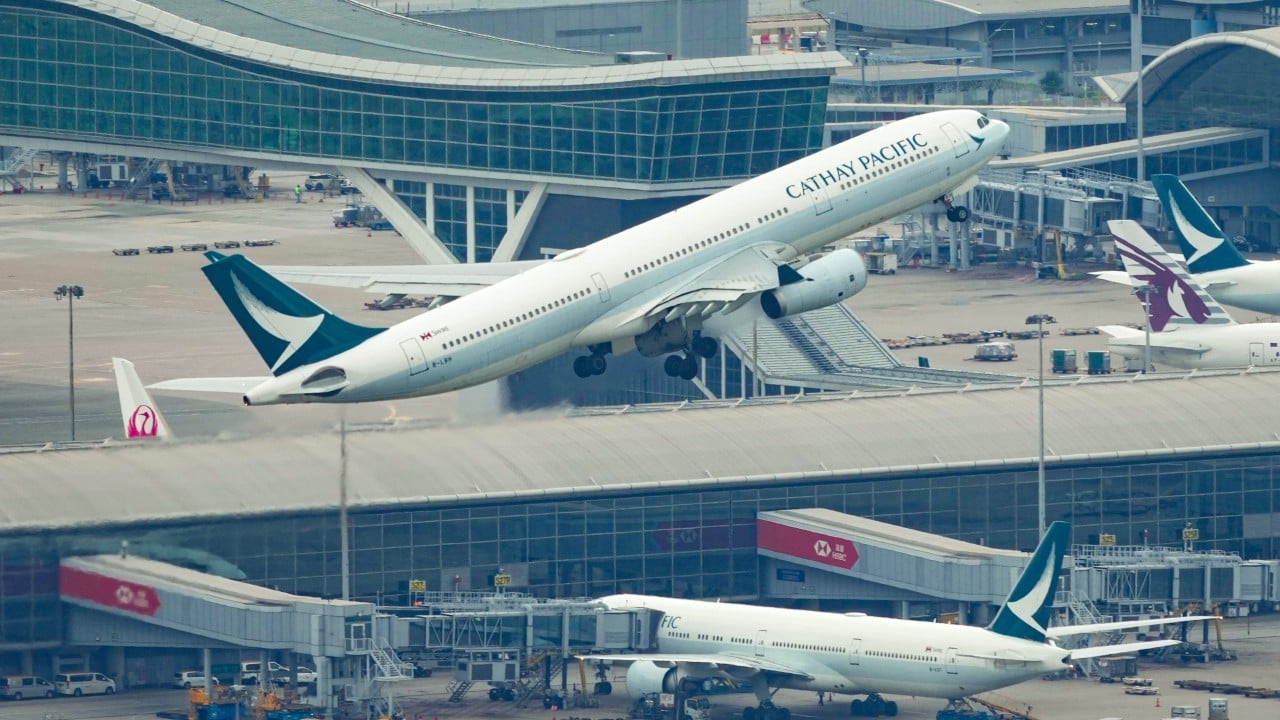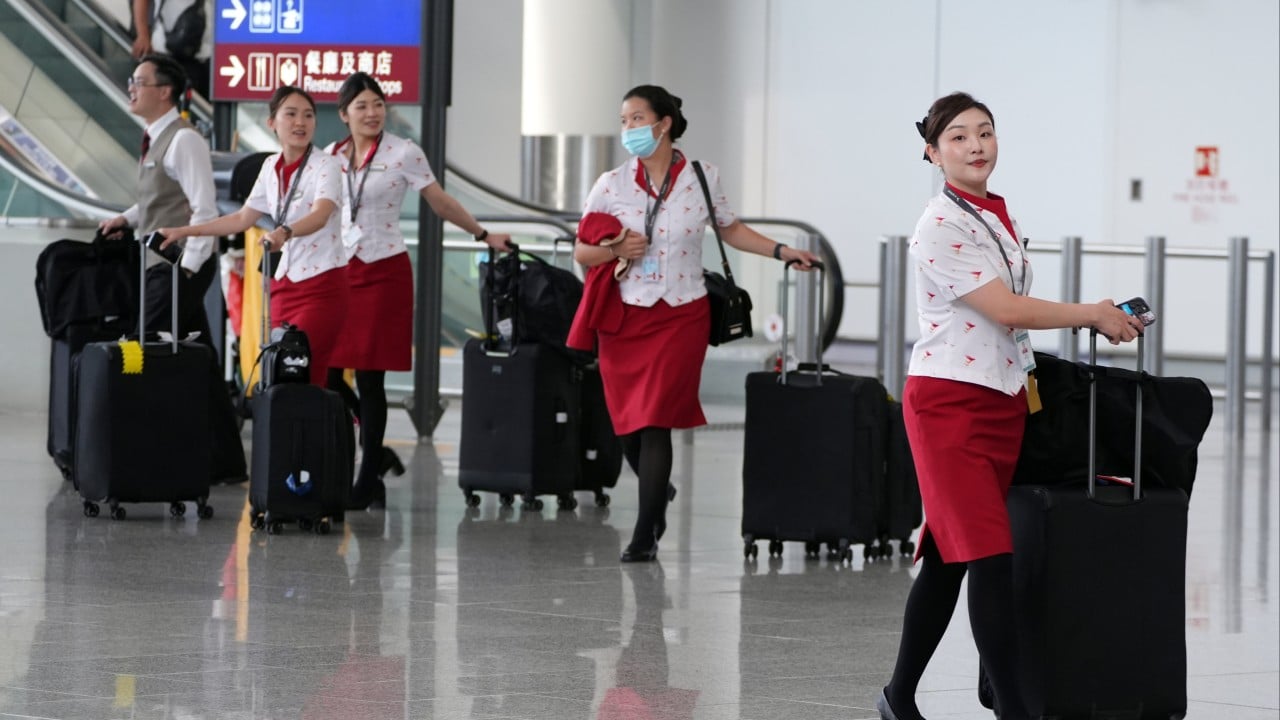
Cathay Pacific isn't just recovering. It's rebuilding from the ground up with a massive recruitment drive that starts in Beijing. The Hong Kong flagship carrier needs 3,000 new employees to hit its growth targets, and it’s looking across the border to find them. If you’ve followed the aviation industry over the last few years, you know the struggle has been real. Shortages of pilots, cabin crew, and ground staff have grounded planes globally. Cathay is done waiting.
The move to prioritize mainland China for its first major offshore recruitment event since the pandemic says everything about where the airline sees its future. It’s a calculated play. By tapping into the mainland talent pool, the airline is trying to solve two problems at once: a desperate need for manpower and a desire to better serve its largest customer base.
The Logistics of Hiring Three Thousand People
Scaling an airline back to pre-pandemic capacity is a nightmare. You don't just flip a switch. You need bodies in seats—not just passengers, but staff. Cathay Pacific's goal to hire 3,000 workers globally by the end of the year is ambitious. About 1,500 of those roles are expected to be cabin crew.
The Beijing recruitment fair is the spearhead. For the first time, the airline is specifically targeting mainland Chinese candidates for Hong Kong-based cabin crew positions. It’s a shift in strategy. Previously, the airline relied heavily on local Hong Kong staff and international recruits from places like India, Thailand, and the Philippines. Now, the focus is north.
They aren't just looking for flight attendants. The drive includes pilots, cadets, engineers, and customer service reps. But the cabin crew roles are the most visible sign of this new direction. Candidates in Beijing face a rigorous process. It’s not just about a friendly smile. They need language proficiency, adaptability, and the stamina to handle long-haul shifts.
Why the Mainland Strategy Makes Sense Now
Some critics might ask why Cathay is suddenly so keen on mainland staff. The answer is simple. Look at the flight maps. A huge chunk of Cathay’s traffic flows through the Greater Bay Area and connects mainland cities to the rest of the world. Having crew members who natively understand the culture and speak the language of these passengers isn't a luxury anymore. It’s a requirement for survival.
Mainland China represents a massive, untapped talent market for the airline. While Hong Kong’s labor market is tight—with many sectors fighting over a limited pool of workers—the mainland offers scale. For many young graduates in cities like Beijing or Shanghai, a career with a global brand like Cathay Pacific remains a prestigious draw.
The airline is also trying to fix its reputation. After a few high-profile incidents involving service gaps and language misunderstandings, doubling down on mainland recruitment is a clear signal. It says, "We value our customers from the North." It’s a PR move as much as it’s a HR move.
Compensation and the Cost of Living Reality
Let’s talk money. This is where things get tricky. Working for Cathay Pacific means living in Hong Kong, one of the most expensive cities on the planet. For a recruit from mainland China, the salary might look great on paper, but the rent in Central or Kowloon will eat a massive hole in those earnings.
Cathay has had to adjust its packages to remain competitive. They're offering housing subsidies for mainland recruits to bridge the gap. Without these perks, the 3,000-person goal would be a pipe dream. Nobody is moving to Hong Kong to live in a shoebox while working 14-hour duty days without some financial cushion.
The competition for this talent is fierce. Mainland carriers like China Southern and Air China are also expanding. Cathay has to prove that the "Hong Kong advantage"—the international routes, the career progression, and the lifestyle—is worth the move.
The Training Bottleneck
Hiring 3,000 people is one thing. Training them is another. You can't just put a new recruit on a Boeing 777 and hope for the best. Every single one of these new hires has to go through weeks, sometimes months, of safety and service training.
Cathay’s training facilities in Hong Kong are currently running at maximum capacity. This creates a bottleneck. If the airline can't train people fast enough, the planes stay on the tarmac. This is why the recruitment started in Beijing months before the peak travel seasons. They need the lead time.
The airline is also investing heavily in its cadet pilot program. They want to train 1,000 new pilots by 2025. This isn't just about finding people who can fly; it's about building a pipeline so they never get caught short-staffed again. It's a long game.
What This Means for the Travel Industry
If Cathay succeeds, it’s a win for travelers. More staff means more flights. More flights mean more competition, which eventually leads to better pricing on routes that have been eye-wateringly expensive since 2023.
But this massive hiring spree also signals a broader trend in global aviation. The "local" airline is becoming a thing of the past. Major carriers are becoming regional talent aggregators. They go where the people are.
For the aviation industry in Asia, Cathay’s move is a bellwether. If they can successfully integrate thousands of mainland workers into their Hong Kong operations, it provides a blueprint for other companies struggling with the city’s labor shortage.
Moving Toward a Different Kind of Airline
Cathay Pacific is changing. The airline that enters 2027 will look very different from the one that entered 2020. It will be more integrated with the mainland, more diverse in its workforce, and hopefully, more resilient.
The 3,000-worker drive is just the beginning. As the airline pushes to return to 100% of its pre-pandemic capacity, the pressure to retain this talent will be just as high as the pressure to hire them. High turnover is the enemy of any service-based business. Cathay isn't just hiring; it’s trying to convince 3,000 people that aviation is still a career worth having.
If you're looking to jump into the industry, now is the time to polish your CV. The window is open, and the requirements are clear. Focus on your language skills, specifically Mandarin and English, and be prepared to talk about how you handle high-pressure environments. The airline isn't just looking for staff; it's looking for people who can help it reclaim its spot as one of the best in the sky. Check the official Cathay careers portal frequently, as these mainland-specific rounds often have short application windows.