The Myth of the 1925 Focus Machine
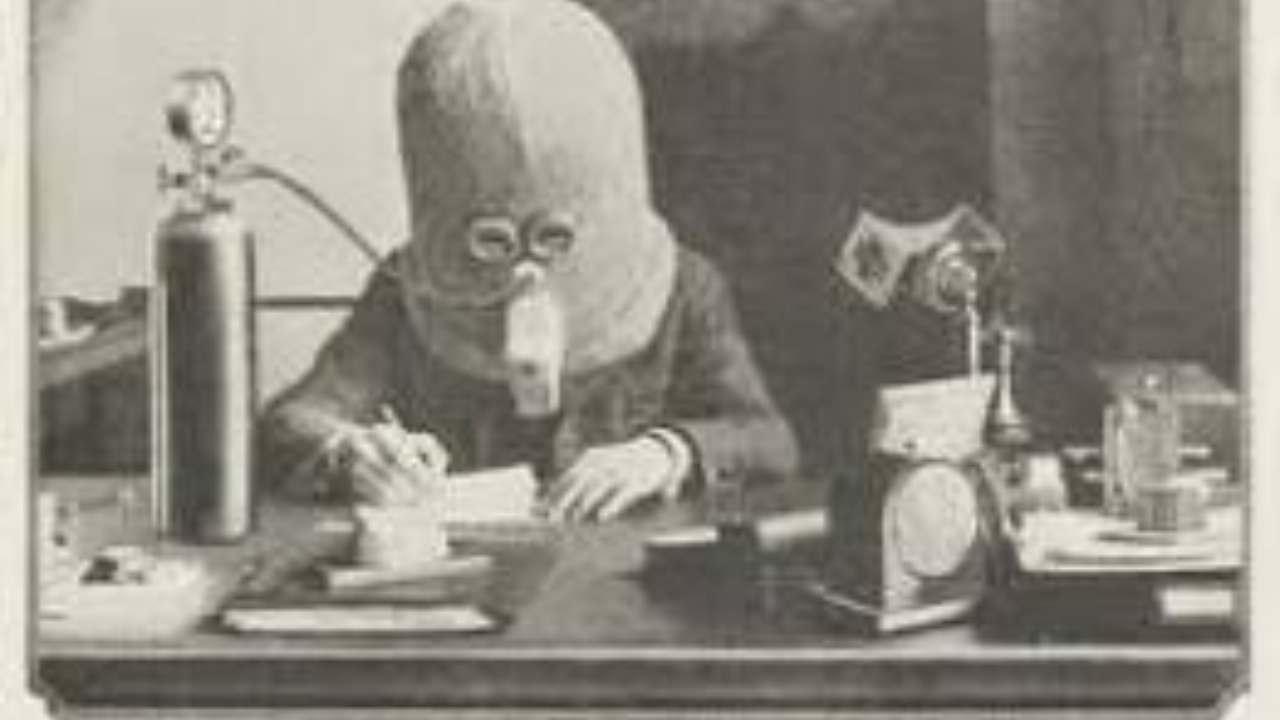
In July 1925, Hugo Gernsback introduced the world to "The Isolator." It was a bizarre, solid-wood helmet designed to eliminate 95% of ambient noise, keeping the wearer entirely focused on the task at hand. History books and internet trivia lists frequently treat this invention as a whimsical, harmless failure from the golden age of science fiction. They present Gernsback as a quirky visionary trying to cure the universal human struggle with distraction.
That narrative is wrong. The Isolator was not a harmless novelty. It was a terrifyingly literal manifestation of an aggressive, early 20th-century obsession with industrial efficiency that treated the human worker as a faulty machine. Gernsback did not design a tool for personal wellness. He built a sensory-deprivation chamber for the office, a claustrophobic cage meant to squeeze maximum productivity out of exhausted minds. When you strip away the retro-futuristic charm of the archival photographs, you find a dark intersection of early capitalism, industrial psychology, and technological desperation. If you enjoyed this piece, you should look at: this related article.
The Oxygen Problem
Gernsback, the founder of Science and Invention magazine and later Amazing Stories, knew his contraption had a fatal flaw from the beginning. It was airtight. A human being sealed inside a heavy wooden helmet would quickly consume the available oxygen and succumb to carbon dioxide poisoning.
To solve this, Gernsback attached an external oxygen tank. The wearer had to pump fresh air into the hood just to stay alive while typing or reading. This design flaw highlights the sheer absurdity of the invention. It required an life-support system to read a book or write a report. For another perspective on this development, refer to the recent coverage from TechCrunch.
[External Oxygen Tank] ---> [Rubber Hose] ---> [Airtight Wooden Helmet] ---> [Exhaust Valve]
The mechanics were crude. Two tiny glass peepholes allowed the user to see only the page directly in front of them. Black paint lined the interior of the glass, obstructing all peripheral vision. If an emergency occurred in the room, the worker would neither see nor hear it. The device did not just block out distractions; it entirely severed the human connection to the immediate environment.
The Industrial Obsession with the Flawed Human
The mid-1920s were dominated by Taylorism, the theory of scientific management pioneered by Frederick Winslow Taylor. Factory floors across the Western world were being optimized down to the millisecond. Every movement of a worker's arm was calculated to eliminate waste.
Gernsback attempted to bring this brutal optimization to intellectual labor. The prevailing view among industrial captains of the era was that the human mind was inherently broken, sloppy, and easily swayed by external stimuli. Instead of changing the grueling, loud, and stressful working environments of the early corporate world, inventors tried to change the worker.
Consider the environment Gernsback was reacting to. The 1920s office was a chaotic cacophony. Mechanical typewriters clacked incessantly. Early telephones rang without pause. Teletype machines whirred, and open-floor plans—even then—meant that managers and clerks crammed together in loud, uncarpeted rooms.
The Isolator was a technological admission of defeat. Rather than designing quieter architecture or reducing workload stress, the proposed solution was to cage the worker's head. It shifted the burden of systemic workplace chaos entirely onto the individual.
A Legacy of Forced Isolation
While Gernsback’s specific wooden helmet never found commercial success, the philosophy driving it never truly died. The Isolator is the direct ancestor of the modern open-office pod, the noise-canceling headphone, and the productivity software that tracks an employee's keystrokes and eye movements.
The modern tech industry continues to sell the promise of total focus through isolation. We wear heavy, expensive headphones to signal to our colleagues that we are unavailable. We install applications that lock us out of our own computers to force discipline. We treat focus as something that must be aggressively engineered, often ignoring the fact that our environments are intentionally designed to fracture our attention spans for profit.
Gernsback believed that human genius could only be unlocked through total sensory deprivation. He failed to see that creativity and invention require connection, synthesis, and occasional distraction. The Isolator remains a stark warning of what happens when we prioritize output over human well-being, transforming the mind into a factory line and the head into a prison.
Instead of romanticizing the bizarre relics of early science fiction, we must recognize them for what they are. The Isolator was an early attempt to turn human beings into biological cogs, a trend that continues to shape our relationship with technology and work today.



/arc-anglerfish-arc2-prod-mco.s3.amazonaws.com/public/BHPBP5TJJFF5XBWKSOQWZ6G55A.JPG)