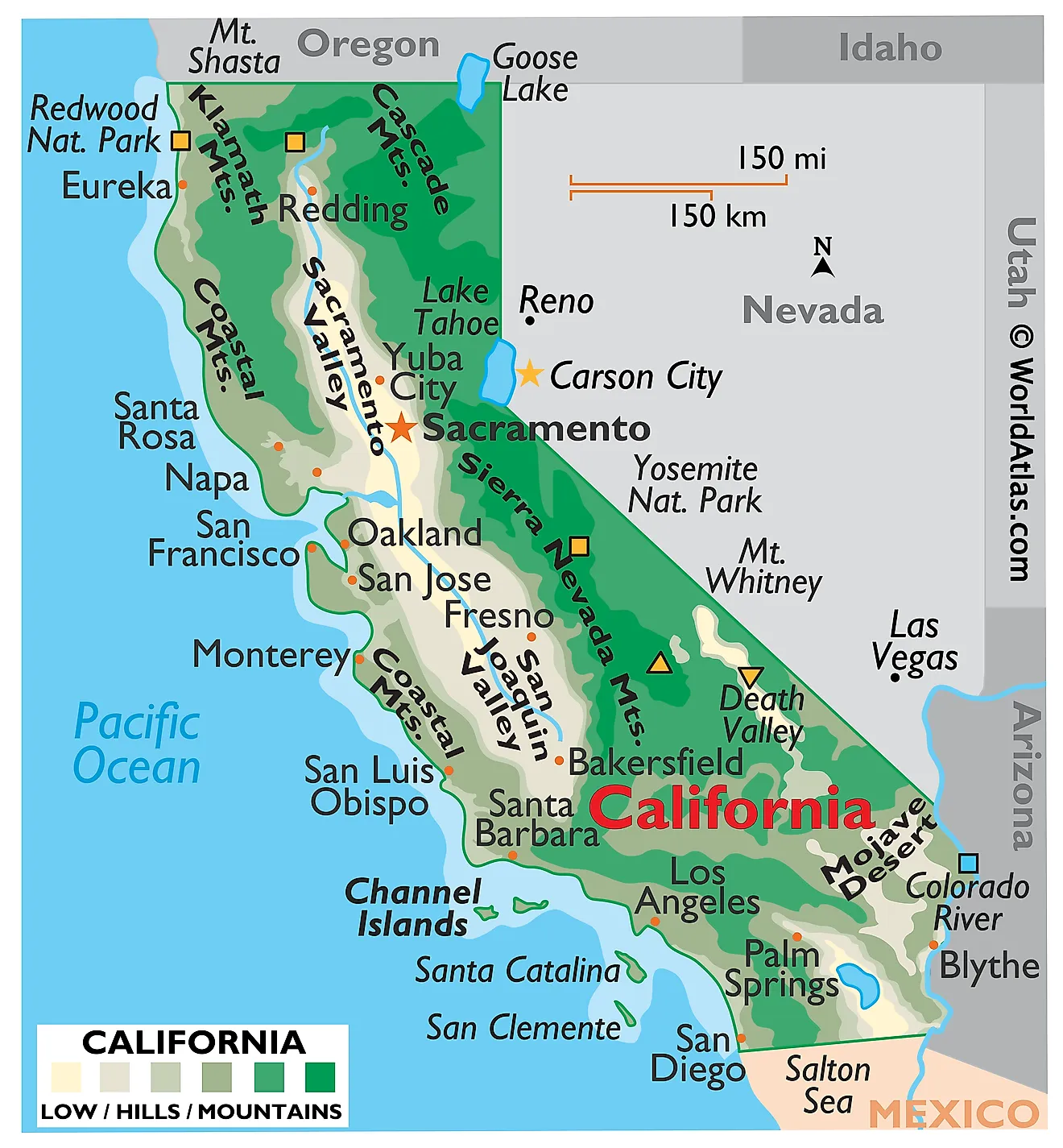
The lazy tech press is celebrating again. They looked at the latest funding charts, saw California sitting on a mountain of cash ten times larger than any other state, and declared the "billionaire exodus" dead. They want you to believe that because the checks are still signed in Menlo Park, the ecosystem is immortal.
They are completely missing the point. If you liked this piece, you might want to read: this related article.
Measuring the health of an innovation ecosystem by total venture capital dollars deployed is like measuring an economy’s health by how much money its top bank prints. It is a lagging indicator. It is vanity metrics on a macroeconomic scale.
The truth is far uglier. California isn’t winning because its ecosystem is thriving; California is absorbing the lion's share of capital because late-stage mega-funds are desperately propping up their existing, overpriced bets. For another perspective on this development, check out the recent update from Financial Times.
The Legacy Capital Trap
Let’s look at the mechanics of where that "10x" capital actually goes. It does not go to scrappy founders building in a garage in Palo Alto. It goes to massive, late-stage rounds for artificial intelligence infrastructure companies that are burning through billions to buy hardware from Nvidia.
When a single San Francisco foundation model company raises $6 billion in a single weekend, it inflates California’s venture metrics artificially. That isn't a sign of local economic vitality. It is a capital pass-through. The money originates from global limited partners, lands in a Delaware C-Corp with a San Francisco mailing address, and is immediately wired to a data center provider in Texas or Virginia.
I have watched fund managers play this game for over a decade. They keep pouring capital into their regional backyard because their bylaws, their investment committees, and their personal comfort zones demand it.
Where the Money Actually Goes
- Hardware Subsidies: A massive percentage of current venture volume is just paying for compute cloud time, not local payroll.
- Cap Table Protection: Insiders are forced to lead massive down-rounds or flat-rounds to keep their 2021-era investments from going under.
- Regulatory Defensiveness: Capital is being concentrated in legacy hubs specifically to lobby against impending state and federal restrictions.
The Talent Diaspora is Real, but Invisible
The defense mechanism for California loyalists is always the same: "But the talent is still here."
Is it?
The mistake is tracking billionaires and high-profile CEOs. If a billionaire moves their primary residence to Miami or Austin for tax purposes, they usually keep an office in San Francisco. The media looks at that office and claims nothing changed.
The real drain is happening at the level of the principal engineer, the staff product manager, and the data scientist with eight years of experience. These people are not billionaires. They are top-tier operators who realized that a $300,000 salary buys a mediocre lifestyle in the Bay Area but a mini-mansion and an elite standard of living in Chicago, Denver, or Atlanta.
The Fractionalization of Teams
Take a look at any major series B company funded by a top-tier Sand Hill Road firm this year. The pitch deck says San Francisco. The CEO lives in Pacific Heights.
But open up their internal Slack directory.
- The Head of Engineering is in Seattle.
- The DevOps team is in Toronto.
- The core machine learning researchers are split between London and Salt Lake City.
California is claiming 100% of that venture capital credit on paper, but the economic velocity of that capital—the payroll, the local taxes, the secondary real estate market—is distributed globally. The state has become an expensive storefront for a highly decentralized global factory.
Dismantling the Myth of the "Network Effect"
For thirty years, the standard advice to any entrepreneur was simple: pack a bag, move to Silicon Valley, and get into the network. If you weren’t at the coffee shops on University Avenue, you didn’t exist.
That advice is now actively harmful.
The network effect has curdled into an echo chamber. When everyone inside a ten-mile radius is reading the same substacks, pitching the same five funds, and fighting over the same overpriced engineering talent, cognitive diversity dies. You get structural copycatting. You get fifty different startups building the exact same enterprise SaaS optimization tool because they are all listening to the same three venture partners complain about their portfolio bottlenecks.
Building outside of the primary hub is no longer a disadvantage; it is a strategic moat. Founders in Columbus, Ohio, or Austin, Texas, are forced to build companies that actually generate revenue because they can’t rely on a cozy dinner with a college roommate-turned-VC to bail them out with an insider extension round. They build resilient businesses, not capital-guzzling experiments.
The Downside of Disruption
To be fair, leaving the established hub has its costs. If you build a company in an emerging market, you will face a shallower local talent pool for highly specialized roles, like scaling a hyper-growth sales team from $10 million to $100 million ARR. You will have to fly to San Francisco to close major enterprise partnerships because corporate development executives are notoriously lazy travelers.
But hiding inside the California capital bubble to avoid those inconveniences is a trap. The overhead will kill you before you find product-market fit.
Stop looking at the macro funding totals as a sign of where you need to be. The billions flowing into California are a lagging monument to past success and a desperate attempt to protect inflated valuations. The real innovation is already happening elsewhere, funded quietly, built efficiently, and entirely detached from the zip codes that legacy media loves to celebrate.
Stop measuring the volume of the water. Start looking at where the current is actually flowing.