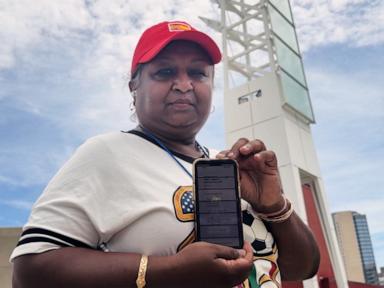
Thousands of football fans holding voided secondary-market tickets are learning a harsh lesson about modern sports commerce. The epidemic of invalidated World Cup tickets bought through major resale platforms is not a case of isolated tech glitches or a few bad actors. It is the predictable result of structural short selling by speculative brokers combined with aggressive, closed-loop digital ticketing systems deployed by tournament organizers. Secondary marketplaces profit from processing fees while knowing a significant percentage of these high-value transactions will inevitably fail, leaving fans stranded at the turnstiles.
To understand why your ticket disappeared, you have to look past the angry social media posts and examine the hidden financial mechanics of the secondary ticket market.
The Speculative Short Selling Loophole
Most fans assume that when they buy a ticket on a resale platform, a physical or digital asset exists behind that listing. It frequently does not. High-end ticket brokering operates much like Wall Street short selling. Professional ticket speculators list seats they do not own for matches they cannot yet access, betting that they can acquire those tickets later at a lower price before the event occurs.
This speculative ticketing relies on sophisticated software and deep networks. When FIFA opens its initial lottery phases, syndicates use automated bots and thousands of fake identities to scoop up allocations. But they do not stop there. Weeks before official distribution even begins, brokers post listings on secondary platforms based on expected inventory. They gamble on market fluctuations.
If the price of a match skyrockets because a specific superstar qualifies or a high-profile matchup is locked in, the speculator faces a squeeze. If they sold a speculative ticket for $500, but the market price jumps to $1,500, fulfilling that order means taking a massive financial loss.
Instead of taking the hit, the broker simply cancels the order. They pay a nominal penalty to the resale platform, pocket their capital, or re-list under a different entity to sell to the higher bidder. The platform then informs the buyer that their ticket is unavailable, often just days before kickoff, offering a refund that does nothing to recover thousands of dollars spent on non-refundable flights and hotels.
FIFA Digital Chokepoints and the Illusion of Control
The crisis is further accelerated by the technical infrastructure of modern sports ticketing. Tournament organizers have abandoned paper and standard PDFs in favor of proprietary, closed-loop smartphone applications. These apps utilize dynamic, rotating QR codes that refresh every few seconds, explicitly designed to prevent screenshots from gaining entry.
This technology creates an intentional digital chokepoint. To transfer a ticket legitimately, the transaction must pass through the official tournament infrastructure. FIFA restricts these transfers to an official, price-capped resale platform, attempting to choking off the open market.
Secondary platforms try to bypass this by demanding that sellers hand over their entire ticketing account credentials to the buyer, or by utilizing unauthorized API integrations that attempt to mirror the dynamic tokens. It is a cat-and-mouse game played with high-stakes software.
When football governing bodies update their app security protocols or implement strict identity verification at stadium perimeters, thousands of secondary market transfers break overnight. The security patch that closes an unauthorized transfer pathway looks like a technical error to the consumer, but it is actually a deliberate strike by the organizer to wipe out external marketplaces.
Why Platform Guarantees Are a Mirage
The major secondary marketplaces prominently feature buyer protection guarantees to build consumer confidence. They promise a full refund or comparable replacement tickets if your order falls through.
This sounds reassuring on paper. In practice, it is a risk-management calculation that leaves the fan holding the short straw.
During a major global tournament, the supply of alternative tickets dries up completely for high-demand matches. A platform cannot conjure a replacement seat for a semi-final out of thin air if every seat in the stadium is occupied. When replacement inventory is unavailable, the platform defaults to a standard cash refund.
From a corporate accounting perspective, a refund settles the ledger and mitigates legal liability. For the fan who traveled across oceans, the refund is an insult. The platform does not cover the cost of a cross-continental flight, weeks of hotel bookings, or the opportunity cost of a once-in-a-lifetime journey. The platforms have structured their terms of service to insulate themselves from these consequential damages, shifting the entire real-world financial risk onto the consumer.
The Failure of Cross Border Enforcement
Regulatory bodies remain largely powerless to stop this international arbitrage. A fan located in London might buy a ticket from a broker based in Miami, via a platform registered in Switzerland, for a match played in a completely different country.
This fragmentation creates a regulatory vacuum that legacy consumer protection laws cannot address. When a transaction fails, determining which jurisdiction applies is a legal nightmare. National enforcement agencies lack the authority to police digital syndicates operating out of foreign data centers.
The platforms themselves leverage this complexity. They operate as mere matching services rather than primary sellers, legally distancing themselves from the fraudulent behavior of individual users on their systems. They argue they are technology companies providing a venue for commerce, not ticket vendors, successfully evading the stringent anti-scalping legislation enacted by host nations.
This legal shield allows the industry to resist meaningful reform. Until international consumer protection frameworks treat secondary ticket platforms as active participants liable for the validity of their inventory rather than passive noticeboards, the speculative cycle will continue. Fans will continue to buy airfare on a gamble, unaware that their entry to the stadium depends entirely on whether a hidden broker decides that fulfilling an order is profitable enough to justify the effort.