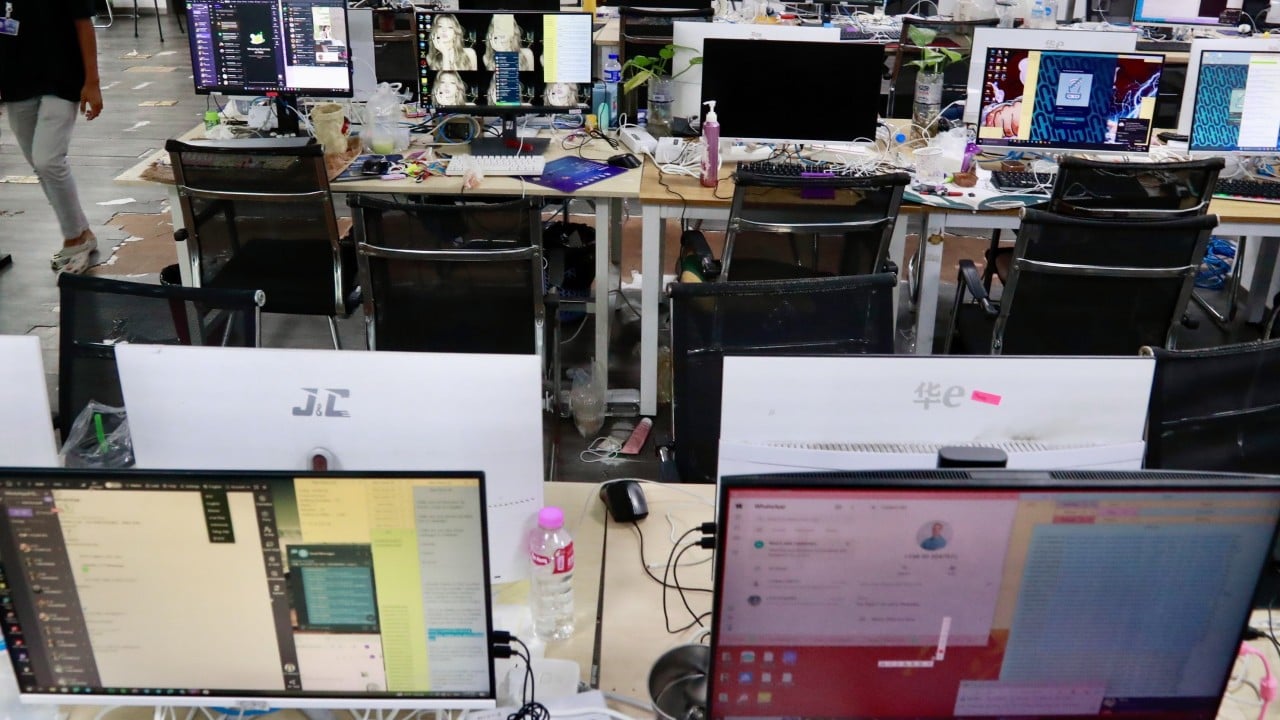
The collapse of Stryker’s global network on March 11, 2026, was not a standard ransomware hit. While the Michigan-based medical giant initially described the event as a "global network disruption," the reality on the ground was far more violent. In offices from Portage to Cork, employees watched their screens go dark in a synchronized cascade of system failures. This was a data-wiping operation of unprecedented scale, designed not for profit, but for digital scorched-earth.
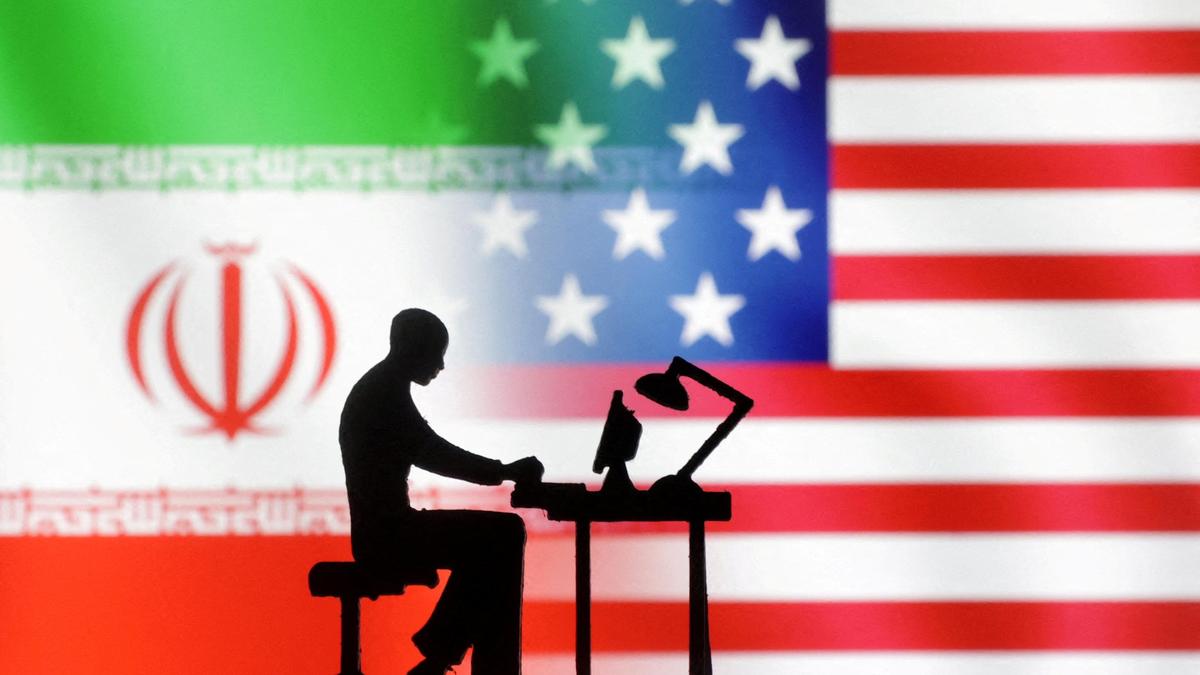
The group claiming credit, a pro-Iranian collective known as Handala, asserts it has erased data from over 200,000 devices. If these claims hold, the strike represents one of the most successful destructive cyberattacks against a U.S. critical infrastructure partner in history. This is no longer about encrypting files for a payday. This is about the systematic deletion of the corporate nervous system.
The Mechanics of the Wipe
Handala’s entry point appears to have been Microsoft Intune, a cloud-based endpoint management solution used by large enterprises to control thousands of employee devices. By compromising the central "brain" that manages laptops and mobile phones, the attackers didn't need to infect each machine individually. They simply sent a command to the fleet to commit suicide.
Reports from inside the company describe a frantic, losing battle. As systems began to fail around midnight US Eastern time, IT staff reportedly scrambled to physically unplug servers. It was too late. The attackers deployed a custom wiper malware capable of targeting both Windows and Linux environments. Unlike ransomware, which leaves a path to recovery through a decryption key, a wiper overwrites the master boot record or the files themselves with junk data. Recovery becomes a matter of rebuilding from off-site backups—if those backups weren't also connected to the compromised management environment.
Why Stryker?
Stryker is a titan of the medical technology world, producing everything from robotic surgery platforms to neurosurgical tools. To a nation-state actor or an aligned "hacktivist" group, it is a high-value target with deep ties to the U.S. and Israeli healthcare sectors. Handala explicitly stated the attack was retaliation for recent military strikes in Iran, specifically citing a strike on a school in Minab.
This marks a shift in the "why" behind modern hacking. For years, the healthcare industry feared Pioneer Kitten (also known as Fox Kitten), an Iranian state-sponsored group that typically facilitated ransomware for profit or intelligence gathering. Handala, however, operates with a different mandate: pure disruption. By targeting a company that sits at the center of the surgical supply chain, they aren't just hitting a balance sheet; they are hitting the ability of hospitals to function.
The Illusion of Containment
In the immediate aftermath, Stryker’s public statements were carefully calibrated. The company claimed there was "no indication of ransomware or malware" and that the incident was "contained to our internal Microsoft environment." To an industry veteran, these words ring hollow.
If 200,000 devices are bricked, the term "contained" is a semantic shield.
The disruption to the Microsoft environment is the attack. In a modern enterprise, that environment is the gateway to every spreadsheet, every CAD drawing for a new surgical drill, and every logistics route for life-saving implants. The collateral damage is already manifesting in the healthcare supply chain. Surgeons rely on Stryker for specialized equipment that is often delivered on a "just-in-time" basis. When the manufacturer’s internal logistics die, the operating room feels the pulse.
The Intelligence Gap
The FBI and CISA had issued warnings as recently as March 3, 2026, regarding elevated threats to U.S. healthcare from Iranian actors. Yet, the Stryker breach proves that warning is not the same as defending. The attackers utilized a multi-tiered infrastructure—using legitimate VPS providers to hide their command-and-control servers—making them nearly invisible to standard perimeter defenses.
We are seeing the convergence of two dangerous trends.
- Access Brokering: Groups like Seedworm (also known as MuddyWater) spend months conducting reconnaissance and establishing "footholds."
- Destructive Signaling: Once the foothold is established, a group like Handala is "let off the leash" to perform a highly visible, destructive act that serves a political narrative.
This division of labor allows the Iranian state to maintain a degree of plausible deniability while reaping the rewards of psychological warfare. They show the world they can reach into the heart of an American Fortune 500 company and turn the lights off.
A New Chapter in Cyber Warfare
Handala’s Telegram posts have called this the "beginning of a new chapter." It is a chilling promise. For twenty years, the cybersecurity industry has built its architecture around the idea of confidentiality. We encrypted data to keep it secret.
But the Stryker attack isn't about secrecy. It's about availability and integrity. If you cannot trust that your computer will turn on tomorrow, or if you know the data it holds will be deleted in the blink of an eye, the entire foundation of digital business collapses.
The brutal truth is that many U.S. companies are currently defenseless against a determined nation-state using their own management tools against them. When your "security" software—the very tools designed to keep the network healthy—becomes the delivery mechanism for a wipe command, the traditional playbook is useless.
The Logistics of Recovery
Rebuilding from a data wipe is a grueling, manual process.
- Forensic Imaging: Every "dead" machine must be imaged to understand the exact TTPs (Tactics, Techniques, and Procedures) used.
- Hardware Verification: In some cases, wipers can corrupt firmware, meaning the hardware itself might be permanently damaged.
- Identity Reset: Since the management environment was compromised, every credential in the company must be considered tainted.
This is not a weekend project. For a company of Stryker's size, full restoration could take months. The financial impact will likely exceed hundreds of millions of dollars, encompassing lost revenue, forensic costs, and the inevitable lawsuits from shareholders and partners.
But the real cost is measured in the hospitals. Across the globe, procurement officers are now looking at their "just-in-time" inventory of Stryker parts and wondering if the next shipment will ever arrive. This is the new reality of the front line. It isn't a trench; it's a server rack.
Review your organization's administrative access to endpoint management tools like Microsoft Intune and implement strict, hardware-based multi-factor authentication for any account capable of pushing "wipe" commands to the fleet.