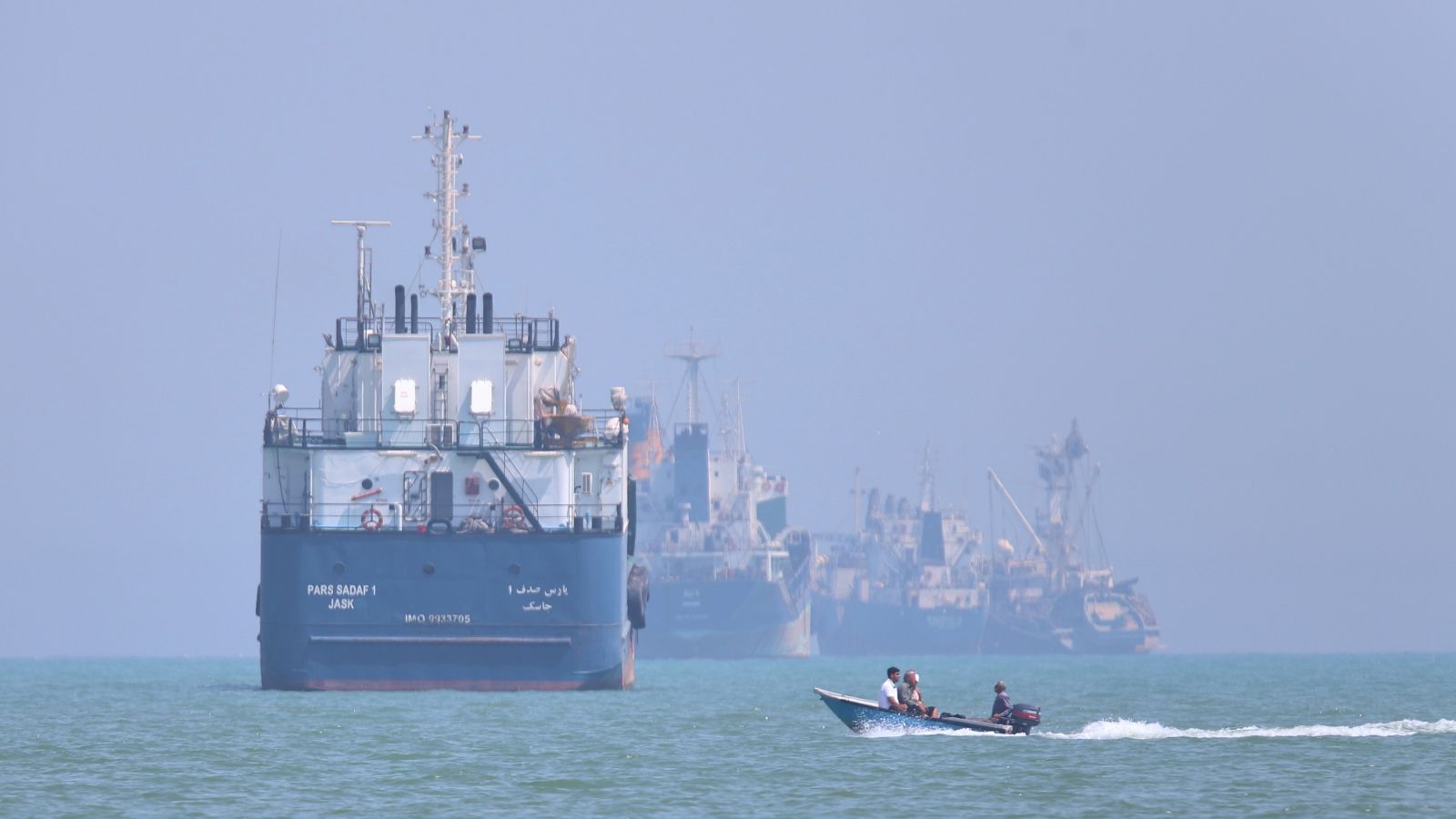
The United States has officially ended its two-month naval blockade of Iranian ports, a sudden pivot triggered by a signed memorandum of understanding between Washington and Tehran. While equity markets cheer the theoretical return of normal trade and retail gasoline prices edge below four dollars a gallon, the celebration is premature. Under the terms of the 60-day provisional ceasefire signed on June 17, 2026, the U.S. Navy ceased redirecting commercial traffic, while Iran pledged to stop charging transit tolls and to allow shipping volumes to return to pre-war baselines. This is not a comprehensive peace deal. It is a fragile, highly volatile pause in hostilities that kicks every major structural conflict down the road while leaving global supply chains at the mercy of underwater explosives.
The Illusion of Free Transit
The immediate reaction from commodity traders was predictably frantic. Brent crude futures dipped toward 78 dollars a barrel, and U.S. Central Command noted that 12.5 million barrels of oil moved through the chokepoint within the first 24 hours of the blockade being lifted. Yet, the commercial shipping sector is not rushing back into the Persian Gulf with blind confidence.
Maritime security firms are advising extreme caution, and for good reason. The Joint Maritime Information Centre lowered its formal threat level from severe to moderate, which translates to an admission that an attack is still possible. The core danger has shifted from active naval surface engagements to the silent menace of sea mines laid by Iranian forces during the height of the 100-day war.
Strait of Hormuz Transit Status (June 2026 Ceasefire)
=====================================================
U.S. Blockade Status:     LIFTED (Effective June 18)
Iranian Transit Tolls:    SUSPENDED (60-day waiver)
Target Flow Restoration:   Within 30 Days
Current Threat Level:     MODERATE (Mines persistent)
The process of clearing these waterways is slow, meticulous work. While the white house signaled that the strait would be mostly clear within days, veteran salvage operations teams estimate that locating and neutralizing tethered and bottom-moored mines in the shipping lanes will take weeks. Commercial insurers are keeping premiums high because a single rogue mine can sink an unescorted suezmax tanker, instantly erasing any paper progress made in Switzerland.
What Washington Conceded to Stop the Bleeding
The political narrative coming out of Washington focuses heavily on avoiding an economic catastrophe. Fearful of matching the deflationary spiral of the 1930s ahead of critical mid-term elections, the administration needed a quick win on fuel costs. To get it, the U.S. had to put terms on the table that are already drawing fierce resistance from congressional defense hawks.
Beyond the immediate lifting of the blockade, the preliminary agreement outlines a massive 300 billion dollar economic reconstruction fund for Iran. While the administration insists this capital will not be drawn from U.S. taxpayers, the sheer scale of the financial package eclipses any previous sanctions-relief mechanism in modern diplomatic history.
"This proposed fund makes previous frozen asset releases look like a pittance," noted a senior member of the Senate Armed Services Committee during an emergency briefing. "We have paused our leverage before securing a single verification on nuclear enrichment."
The structural concessions go even deeper:
- The Nuclear Footnote: The core objective of the initial military campaign—the permanent dismantling of Iran's nuclear infrastructure—has been entirely deferred to future technical talks.
- Regional Ceasefires: The agreement demands a total cessation of hostilities across all regional fronts, effectively entangling the U.S. deal with Israel's ongoing border conflict with Hezbollah in Lebanon.
- The Sovereign Reinterpretation: Iran has secured the right to negotiate future maritime administration policies directly with Oman, a move that could permanently alter the legal framework governing the strait under international maritime law.
The 60-Day Countdown to Flare-Up
The fundamental flaw of this interim framework is its reliance on a countdown clock. The memorandum of understanding acts as a temporary pressure valve, not a permanent solution. The administration has explicitly stated that if Tehran does not meet unspecified benchmarks regarding its enriched uranium stockpile within the 60-day window, the U.S. military will immediately resume active bombardment.
This aggressive posture ignores the reality on the water. Over the past three months of conflict, the Iranian military demonstrated an advanced capability to disrupt global markets using low-cost asymmetrical tools. Thousands of loitering munitions and anti-ship ballistic missiles were fired, proving that the regime does not need a conventional navy to shut down twenty percent of the world's petroleum supply.
Even with a heavy U.S. naval presence remaining in the Gulf of Oman, the structural leverage has shifted. Iran has seen exactly how much economic pain the global market can tolerate before Washington blinks. If the technical talks in Doha stall over verification protocols or the phasing of sanctions waivers, the transition back to open warfare will not take weeks; it will happen over the course of a single afternoon. Shipowners are fully aware of this vulnerability, leaving the global energy supply chained to a temporary diplomatic truce that expires in less than two months.