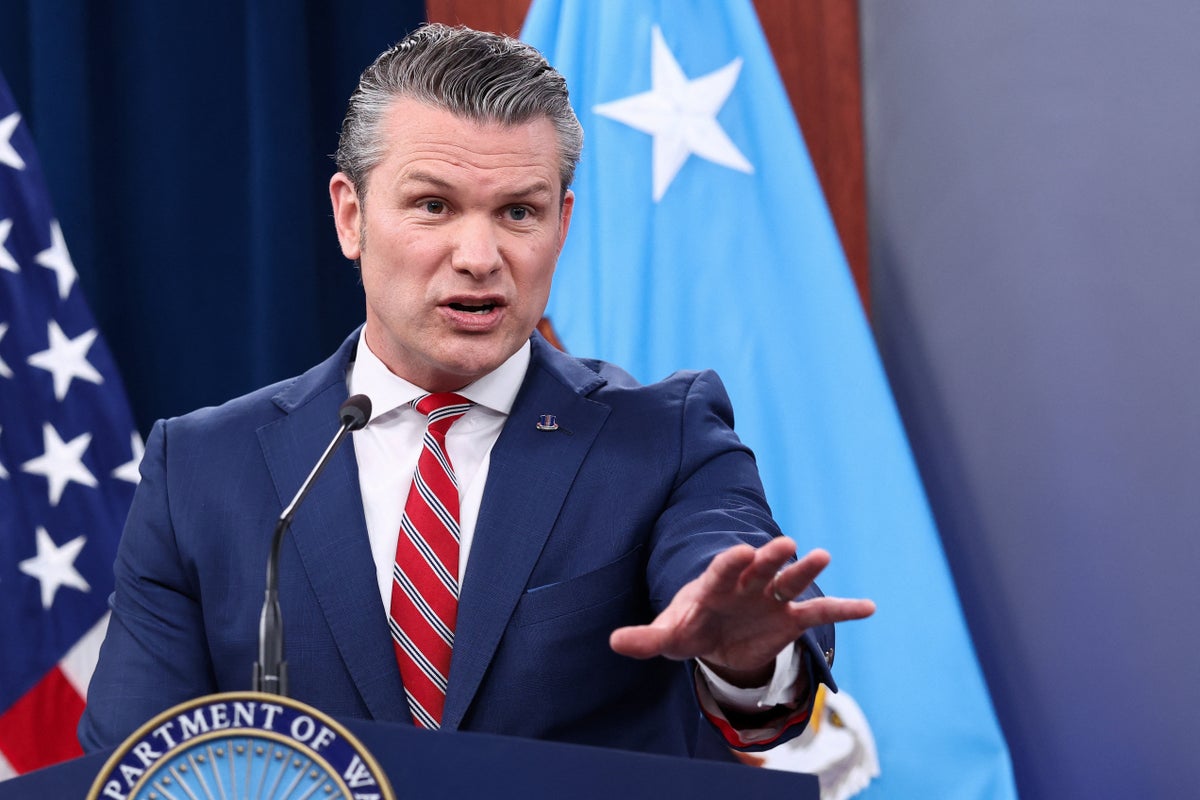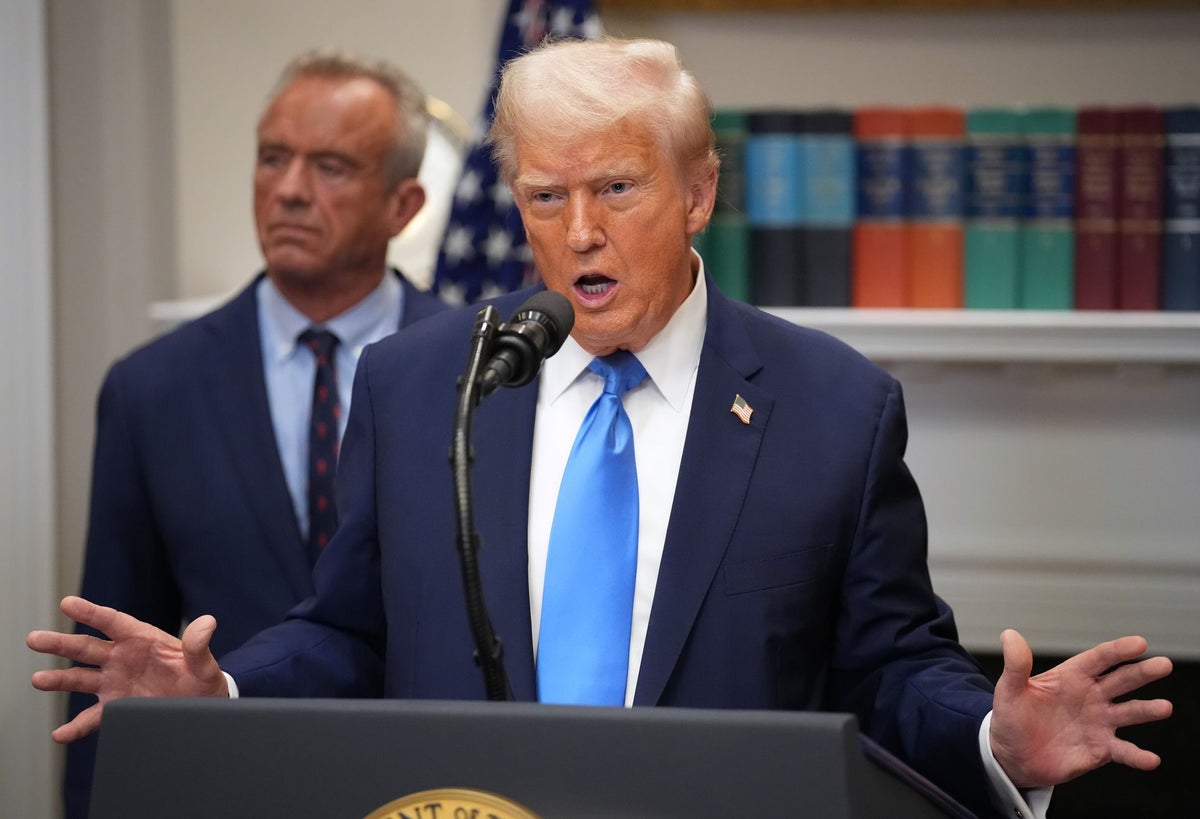
The explosions in Kramatorsk and Zaporizhzhia on Tuesday afternoon weren't just the latest statistics in a four-year war of attrition; they were a deliberate, calculated exclamation point to a diplomatic charade. At least 22 people are dead across Ukraine today, victims of a surge in Russian glide bombs and ballistic missiles that struck with surgical cruelty just hours before a series of "rival ceasefires" were set to take effect.
This isn't a coincidence. It is a signature. You might also find this related coverage useful: The Depth of a Divided Second.
By launching a high-intensity barrage immediately after proposing a pause in hostilities, the Kremlin has once again exposed the hollow core of its diplomatic overtures. The primary goal here isn't peace, nor is it the preservation of human life. It is the strategic manipulation of the narrative—a performance designed to project domestic strength ahead of Russia's May 9 Victory Day, while simultaneously attempting to fracture the resolve of Ukraine’s Western backers. While the world watches the back-and-forth of proposed start times and "reciprocal" silence, the reality on the ground remains one of escalating violence and deep, systemic mistrust.
The Choreography of Deception
The timeline of the last 48 hours reads like a textbook on cynical statecraft. On Monday, Vladimir Putin declared a unilateral ceasefire for May 8-9 to honor the 81st anniversary of the Soviet victory over Nazi Germany. The proposal, reportedly floated during a phone call with U.S. President Donald Trump, carried an implicit threat: any Ukrainian "disruption" of the Moscow parade would be met with a "massive missile strike" on the heart of Kyiv. As discussed in detailed reports by The Guardian, the results are notable.
Volodymyr Zelenskyy’s response was a masterclass in counter-diplomacy. Rather than rejecting the offer and appearing the aggressor, he moved the goalposts, announcing a Ukrainian ceasefire starting at midnight on May 5. His logic was simple: if Russia truly valued human life over "ideological dogmas" and anniversaries, they would stop shooting immediately.
Instead, they doubled down.
The strikes on Merefa, Chernihiv, and Odesa are not the actions of a military preparing to stand down. They are the actions of a force trying to secure a final tactical advantage before a temporary freeze. In the town of Merefa, an Iskander-type ballistic missile tore through the center of the road, killing five people on the spot. This is the "peace" Moscow is offering: a brief window of silence purchased with a fresh influx of civilian blood.
Why the Victory Day Parade Matters More Than Ever
To understand why Putin is so desperate for a ceasefire now, one has to look at the state of the Russian military. For the first time in decades, the traditional Victory Day parade in Red Square is being stripped to its bare essentials. There will be no columns of T-90 tanks, no lumbering ICBM launchers, and no heavy armor. The Ministry of Defense has admitted the parade will consist almost entirely of foot soldiers.
The reason is twofold:
- Equipment Scarcity: Most of Russia's operational armor is either burning in the Donbas or held in reserve for the anticipated summer offensives.
- Vulnerability: The Kremlin is genuinely terrified of a Ukrainian drone strike hitting the heart of the capital during its most sacred national holiday.
By proposing a ceasefire through Washington, Putin attempted to use American influence to provide a security guarantee for his own parade. It was a play for "Peace Through Profit"—an attempt to appeal to the new administration's desire for a quick resolution while ensuring he could march his troops through Moscow without looking over his shoulder for a Ukrainian drone.
The Zero Sum Game of "Reciprocity"
Ukraine’s decision to launch its own ceasefire early was a brilliant, if dangerous, tactical maneuver. By starting the clock today, Kyiv has forced Moscow into a corner. If Russia continues to fire, they prove Zelenskyy’s point that their own May 8 proposal is nothing but a public relations stunt. If they stop, they lose the momentum of their current glide-bomb campaign.
But there is a darker undercurrent to this "silence." History has shown that every ceasefire in this conflict has been used by the Russian Federation to regroup, re-arm, and reposition. We saw it in the early days of the Minsk agreements, and we are seeing the setup for it again now.
Consider the technical reality of the current strikes. Russia is increasingly relying on UMPK (unified gliding and correction module) kits attached to older "dumb" bombs. These weapons allow Russian jets to strike from 40 to 60 kilometers away, well outside the range of most Ukrainian air defenses. A two-day pause does nothing to degrade this capability; it only allows Russia to stockpile more kits and move their launch platforms closer to the front lines.
The Interceptor Crisis
While the ceasefires dominate the headlines, the real story is the depletion of Ukraine’s "defensive shield." On April 16, Ukraine faced its deadliest attack of the year—a wave of nearly 700 drones and missiles. While they intercepted 90% of the targets, the cost was astronomical.
Ukraine is running out of Patriot and Iris-T interceptors. Zelenskyy has been blunt: the need for anti-ballistic missiles is a "daily priority." Moscow knows this. By alternating between "peace offers" and massive aerial bombardments, they are forcing Ukraine to burn through its most expensive and rarest munitions. It is a war of exhaustion where the missiles are the currency, and Ukraine’s bank account is running low.
The Diplomacy of the Absurd
What we are witnessing is the "Iranization" of the conflict. The Russian economy has pivoted entirely to a war footing, and the Kremlin is increasingly comfortable with a permanent state of low-to-medium intensity warfare. In this environment, a "ceasefire" isn't an end to the war; it's just another weapon system.
The threat to strike diplomatic missions in Kyiv if the May 9 parade is disturbed is a calculated escalation. It signals that Moscow is willing to target the very international observers and diplomats who would be required to monitor any real, long-term peace agreement. It is an act of pre-emptive sabotage against the diplomatic process itself.
The Road to Nowhere
If these ceasefires do take effect, don't expect them to hold. The territorial claims of both sides remain fundamentally incompatible. Russia demands the total surrender of four oblasts it does not fully control; Ukraine demands a return to its 1991 borders.
The "limbo" between war and peace that analysts predicted for 2026 has arrived. It is a gray zone where missiles fall while leaders talk of truces, and where 22 people can be buried on the same day a "ceasefire" is proclaimed.
The brutal truth is that as long as the Kremlin views diplomacy as a tactical delay and anniversaries as more valuable than lives, any "silence" on the battlefield will be nothing more than the sound of a predator catching its breath. The dead in Kramatorsk didn't die because of a failed ceasefire; they died because, for Moscow, the war never actually intended to stop.