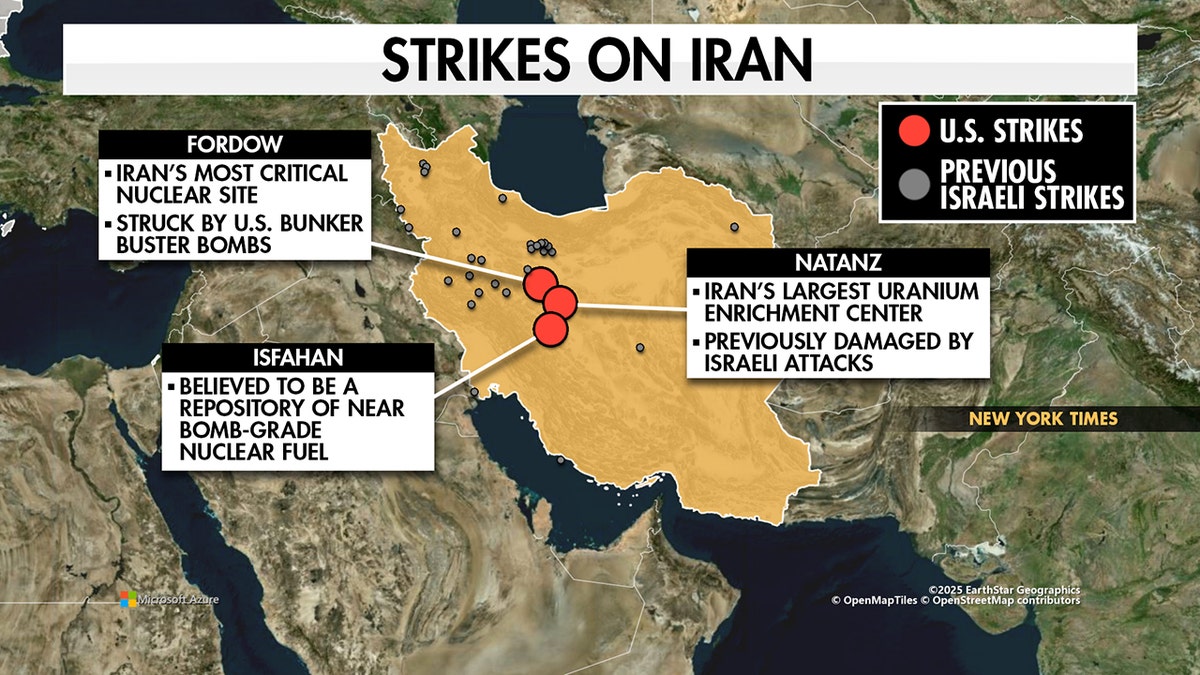
The era of Ayatollah Ali Khamenei did not end with a slow decline or a whispered prayer. It ended in the roar of a decapitation strike on February 28, 2026, a joint U.S.-Israeli operation that has fundamentally shattered the Islamic Republic’s carefully curated facade of permanence. While Foreign Minister Abbas Araghchi tells the world that a successor will be named in "one or two days," he is not describing a routine administrative handoff. He is describing a desperate attempt to prevent a total internal collapse while the nation is under fire.
The survival of the 1979 revolution now rests on the shoulders of the Assembly of Experts, an 88-member body of geriatric clerics who must choose a new Supreme Leader while their own headquarters remains a potential target. Araghchi’s public confidence mask a terrifying reality for the regime: the "well-established mechanism" he praises was never designed to operate in the middle of a hot war with the world's most advanced air forces. If you liked this piece, you should check out: this related article.
The Succession Committee’s Secret Shortlist
For years, the Assembly of Experts maintained a three-man secret list of potential successors. This was the regime’s insurance policy. However, the strikes of late February didn't just target Khamenei; they liquidated a significant portion of the clerical and military command structure. Reports indicate that over 40 high-ranking officials were killed alongside the Supreme Leader.
This creates a vacuum that the Iranian Constitution, specifically Article 111, is struggling to fill. An Interim Leadership Council has been formed, consisting of President Masoud Pezeshkian, Chief Justice Gholam-Hossein Mohseni-Ejei, and Alireza Arafi of the Guardian Council. But this is a temporary fix. A council can sign decrees, but it cannot command the spiritual and absolute loyalty required to keep the Islamic Revolutionary Guard Corps (IRGC) from seizing total control. For another angle on this development, refer to the recent coverage from Associated Press.
The Candidates Left Standing
The shortlist has likely been burned. The names now circulating in the halls of Qom and Tehran represent the last remnants of the old guard.
- Mojtaba Khamenei: The second son of the late leader. He has the ear of the IRGC and deep roots in the security apparatus. But he lacks the religious credentials of a Grand Ayatollah. Elevating him would transform the Islamic Republic into a hereditary monarchy—the very thing the 1979 revolution was built to destroy.
- Alireza Arafi: At 67, he is the current favorite for those seeking continuity. As the head of Iran’s seminaries, he has the "jurist" credentials required by the constitution. He is safe, boring, and utterly loyal to the system’s survival.
- Gholam-Hossein Mohseni-Ejei: The hardline Chief Justice. If the regime decides it needs a wartime leader who will rule with an iron fist, Ejei is the choice. He has spent decades in the judiciary and intelligence services, specializing in the suppression of dissent.
The IRGC Factor
Do not be fooled by the clerical robes. The true power in Iran has long been drifting toward the IRGC. The military commanders are the ones currently managing the "Twelve-Day War" against Israel and the U.S. They are the ones with the missiles and the drones.
There is a very real possibility that the Assembly of Experts will become a rubber stamp for a military junta. If the clerics take too long—if they bicker over religious seniority while Israeli F-35s are overhead—the IRGC will likely install a puppet. They need a Supreme Leader to maintain the theological legitimacy of the state, but they want a figurehead they can control.
The "one or two days" timeline Araghchi mentioned is an ultimatum. It is the window the military has given the clerics to provide a face for the resistance before the generals take the wheel entirely.
A System Built on a Single Pillar
The Islamic Republic is not a "robust" democracy with interchangeable parts. It is a system built on the concept of Velayat-e Faqih—the Guardianship of the Islamic Jurist. This means the entire legal and moral weight of the state hangs on one man. When that man is removed suddenly, the "why" of the government’s existence comes into question.
Ordinary Iranians are watching. In 2025, President Pezeshkian warned that harm to Khamenei could cause internal factions to turn on each other. We are seeing those cracks now. While the state media broadcasts images of mourning, there are reports of quiet celebrations in the suburbs of Tehran and Isfahan. The regime knows that if they do not project strength immediately, the internal security forces might begin to defect.
The Foreign Intervention Gamble
The U.S. and Israel are betting that by removing the head, the body will fail to coordinate. Donald Trump has already signaled an openness to talk to "new leadership," a move clearly intended to entice moderate or pragmatic elements within the Iranian government to turn against the hardliners.
This is a high-stakes psychological game. By announcing a quick succession, Iran is trying to signal to Washington that the "regime change" objective has already failed. They want to show that the system is an engine that keeps running even after the driver is gone.
The Price of Silence
The greatest threat to a smooth transition is not an American bomb, but the silence of the Iranian people. The regime has spent years crushing the "Woman, Life, Freedom" movement and other protests. Those grievances haven't disappeared; they have merely been suppressed.
If the Assembly of Experts picks a leader who is viewed as a "weak" compromise or an IRGC puppet, they may inadvertently spark the very uprising they fear. A new leader needs more than just a majority vote from 88 clerics. He needs the ability to command the street.
The next 48 hours will determine if the Islamic Republic remains a clerical theocracy or devolves into a transparent military dictatorship. Araghchi’s "one or two days" isn't a boast of efficiency. It’s a countdown to the regime’s most dangerous moment since 1979.
The choice made in the coming hours will either cement the IRGC’s grip on the state or signal the beginning of a long, chaotic disintegration. There is no middle ground left in Tehran.