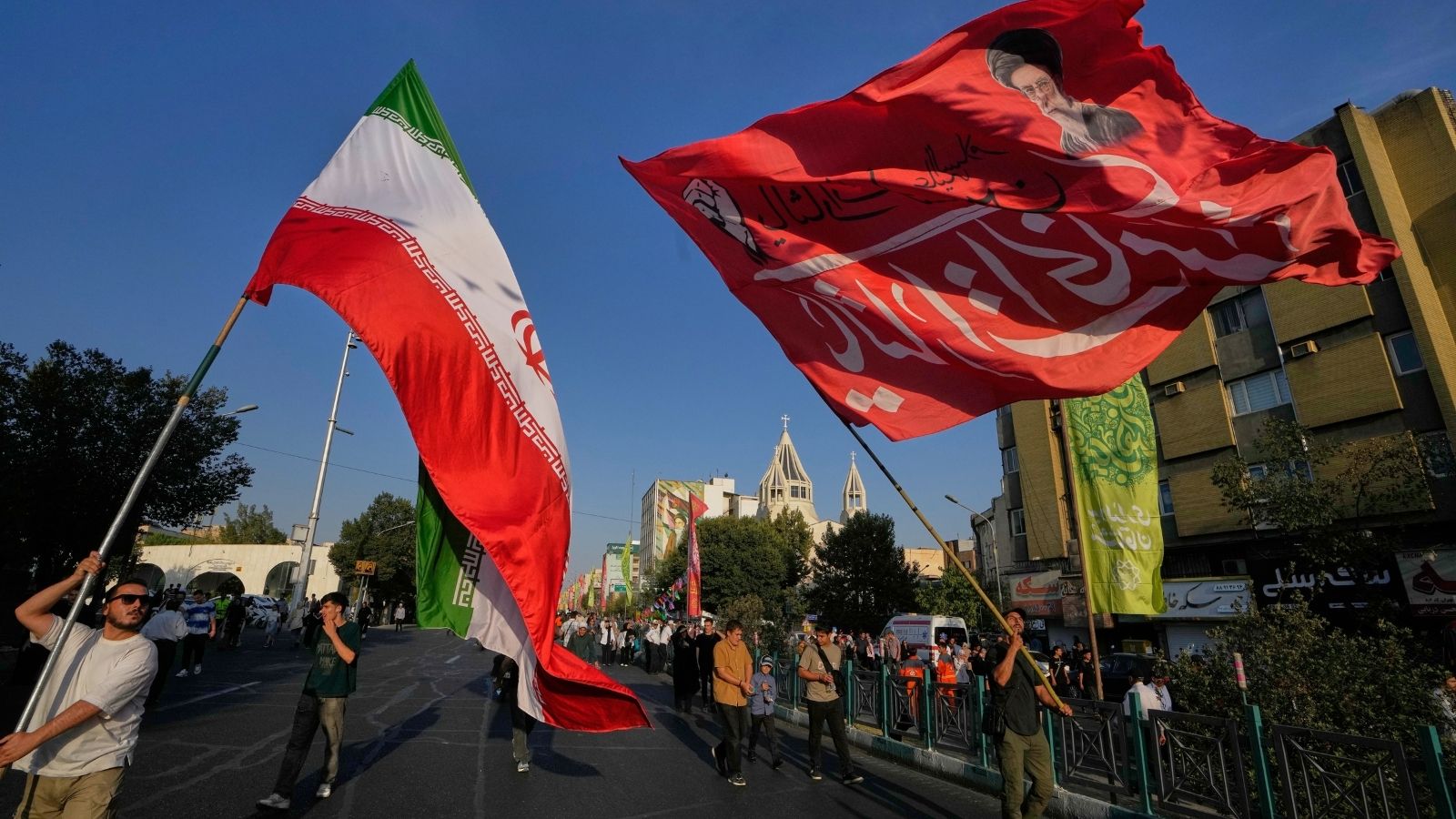
U.S. Treasury Secretary Scott Bessent is walking into a diplomatic storm in Asheville, North Carolina, where he faces an uphill battle to rally G20 allies behind "Operation Economic Outcast," a hardline U.S. campaign aimed at completely isolating Iran from the global financial system. While Washington aims to choke off Tehran's remaining revenue streams through aggressive secondary sanctions and threats of cutting off access to the U.S. dollar, underlying global fractures over tariffs, soaring energy prices, and fierce resistance from major trading partners like China threaten to derail the White House strategy.
The setting itself carries heavy symbolic weight. Gathered at the Omni Grove Park Inn in Western North Carolina, finance ministers and central bank governors from the world's major economies are attempting to find common ground while dealing with the economic fallout of a shuttered Strait of Hormuz. The ongoing conflict involving the U.S., Israel, and Iran has kept crude prices elevated, draining momentum from nearly every major industrial nation. Bessent arrives carrying a blunt warning for international banking institutions: continue facilitating transactions for Tehran, and face immediate expulsion from the U.S. financial ecosystem.
Yet, translating domestic economic coercion into international consensus is an entirely different matter.
The Structural Divide Inside the G20
For months, international economic forums have struggled to maintain a unified front against a backdrop of aggressive American trade policies. Bessent’s push for total Iranian isolation collides directly with the commercial realities faced by other G20 members. Take China, for instance. Beijing remains the primary buyer of Iranian petroleum, operating through a network of independent refineries and localized payment channels designed specifically to bypass Western jurisdiction.
Expecting Beijing to abruptly abandon a crucial energy supplier simply because of a Treasury Department decree ignores the mechanics of modern great-power competition. Other major economies, including European states still grappling with sluggish growth and high domestic inflation, view Washington's relentless tariff escalations with deep skepticism. When the U.S. treasury chief demands compliance with secondary sanctions, foreign finance chiefs are calculating the immediate cost to their own domestic industries rather than reacting out of diplomatic solidarity.
Bessent’s rhetoric has left little room for polite diplomatic ambiguity. In interviews leading up to the summit, he characterized the administration's upcoming financial penalties as an exercise in financial force if necessary. But executive orders and threats of secondary sanctions run headfirst into the limits of American economic hegemony. While the power of the dollar remains unmatched, every aggressive exclusion pushes targeted nations further into alternative bilateral settlement mechanisms, accelerating the very de-dollarization trends that long-term U.S. strategists fear.
The Problem With Operation Economic Outcast
Announced in late August, Operation Economic Outcast targets the machinery of Iranian financial survival. The Treasury Department has lined up dozens of entities, vessels, and financial networks connected to oil procurement, digital asset routing, and precious metals trade. Recent maneuvers include targeting specific regional banking branches, such as actions directed at operations tied to Egyptian institutions operating in the Gulf, while carefully calibrating penalties to avoid an outright systemic breakdown with larger allies.
This calibrated approach reveals the core contradiction of the strategy. Total isolation requires universal participation. If major emerging markets carve out exemptions, the perimeter leaks. Iran has spent decades refining the art of sanctions evasion, utilizing shell companies registered in neutral jurisdictions, cryptocurrency transfers, and ship-to-ship oil transfers in international waters.
To shut these loopholes, Washington needs customs and banking cooperation from nations that have zero appetite for enforcing American foreign policy objectives. When European and Asian delegates sit across the negotiating table in Asheville, their primary anxiety is not just the security threat posed by Tehran's nuclear program. Their immediate concern is protecting their own post-pandemic recoveries from the shockwaves of another energy price spike.
Navigating Domestic Pressures and Global Debt
Compounding the friction over Iran is the elephant in the room: global sovereign debt and U.S. fiscal deficits. Bessent’s broader agenda at the G20 is ostensibly to steer discussions back to macroeconomic fundamentals, growth, and structural imbalances. The Trump administration has repeatedly emphasized that the United States must grow its way out of its towering national debt burden through deregulation and domestic energy production.
However, foreign counterparts are quick to point out the hypocrisy of lecturing other nations on fiscal discipline while Washington implements sweeping tariff regimes that distort global supply chains. The administration's trade battles with close neighbors like Canada, combined with a confrontational stance toward multilateral institutions, have eroded the goodwill required to secure voluntary cooperation on geopolitical security issues.
When finance ministers gather for closed-door bilateral sessions, the conversation inevitably drifts away from Treasury's preferred script. A European central banker worried about capital flight and a weakening currency is unlikely to spend political capital defending an aggressive U.S. campaign against Tehran that threatens to inflate oil futures even further.
The High Cost of Absolute Leverage
The strategy relies entirely on the premise that the cost of losing access to Western clearinghouses is universally higher than the cost of defying Washington. For smaller financial institutions in the Middle East or secondary trading hubs, that math holds true. A regional bank in the Gulf will fold immediately under threat of dollar exclusion.
For Beijing, Moscow, and other non-aligned actors, the calculation has already shifted toward insulation. Every time the U.S. Treasury deploys the dollar as an instrument of total coercion, it incentivizes targeted states to build out parallel financial rails, bilateral currency swap agreements, and non-SWIFT messaging systems. Over the long horizon, this erosion of the single unipolar financial architecture diminishes the very leverage Bessent is currently wielding in the mountains of North Carolina.
As the G20 meetings progress toward their final communiqués, the gap between Washington's maximalist demands and the passive resistance of its allies remains wide. Bessent can issue ultimatums, sanction individual bank branches, and threaten secondary penalties until the clock runs out. But forcing sovereign nations to choose between their own economic stability and American geopolitical imperatives often produces a quiet defiance rather than compliance. Tehran watches from a distance, calculating that the coalition arrayed against it is far more fractured than Washington cares to admit.