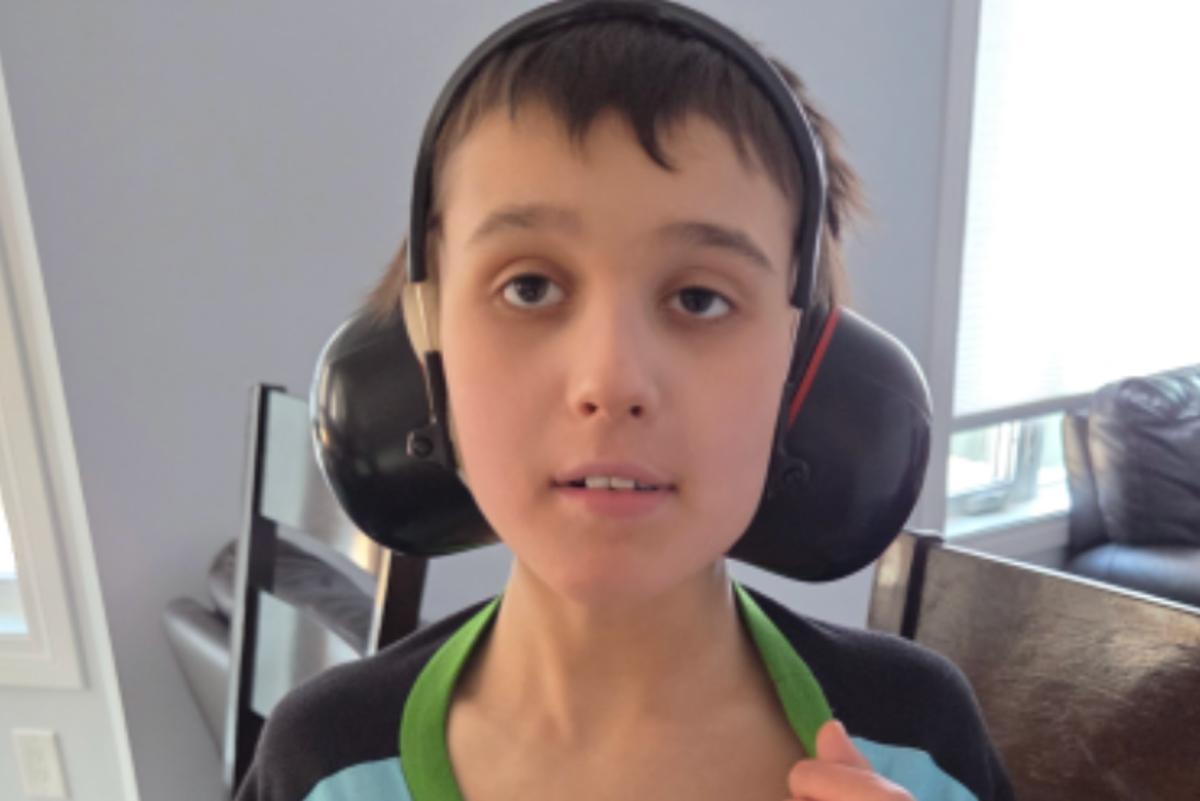
Playing "Bare Necessities" through police megaphones to find a missing non-verbal child makes a great heartwarming headline. It satisfies the public's thirst for feel-good police work and easy resolution.
It is also scientifically unsound and potentially lethal search-and-rescue methodology.
When news outlets celebrate law enforcement departments broadcasting animated movie soundtracks across Search-and-Rescue (SAR) command zones, they are not reporting a tactical breakthrough. They are applauding a fundamental misunderstanding of neurological processing, sensory integration, and the mechanics of autism elopement.
The media calls it creative policing. Clinical evidence calls it auditory overstimulation that drives endangered children deeper into hiding.
The Flawed Logic of Sensory Triggers in Search and Rescue
The warm story usually goes like this: an autistic child strays from home. Standard calling of their name fails. Search teams mount PA systems to patrol cruisers or helicopters and blast a recognizable cartoon anthem. The public assumes the child hears the tune, smiles, and walks into the arms of waiting officers.
That is not how sensory processing disorder works under extreme stress.
Autistic elopement is rarely a casual stroll. In over 70% of cases involving nonspeaking children, elopement is driven by either severe sensory overload (escape behavior) or intense sensory seeking (goal-directed behavior, often toward water or high-risk transit zones).
When a child is already in a state of acute autonomic arousal, dumping 90 decibels of distorted, low-fidelity Disney audio through a squad car horn does not act as a comforting beacon. It acts as an environmental threat.
I have consulted on missing child protocols alongside emergency responders where commanders assumed louder meant better. What actually happens?
- Auditory Overload: Blasting music into a quiet forest or suburban neighborhood spikes the child's cortisol, accelerating panic.
- Aversive Withdrawal: Instead of moving toward the noise, children suffering from hyperacusis or auditory processing challenges wedge themselves deeper into culverts, dense brush, or locked enclosures to escape the sound wall.
- Masking Critical Sounds: High-volume broadcasts drown out the actual sound of a crying or moving child, blinding ground searchers and tracking K-9 units reliant on ambient acoustics.
Drowning, Not Disorienting: The Unspoken Timeline
While search crews tinker with sound systems, the actual clock is ticking against a grim, proven metric.
According to data compiled by the National Center for Missing & Exploited Children (NCMEC), accidental drowning accounts for approximately 90% of lethal outcomes in autism elopement cases for children under age 14.
Autistic individuals are often drawn to open water—retention ponds, swimming pools, creeks, and drainage canals—because of the visual shimmering and sensory feedback water provides.
When a child runs, they are not looking for Mickey Mouse. They are heading straight toward the nearest body of water or high-traffic roadway.
Every minute spent rigging megaphones to play background music is a minute lost checking every retention pond within a one-mile radius. It trades high-probability target searches for low-probability sensory lures.
What First Responders Should Do Instead
Ditch the feel-good theatrics. Effective SAR for neurodivergent individuals requires precise behavioral mapping, quiet search techniques, and rapid physical isolation of high-risk hazards.
1. Implement Tactical Silence
Instead of loud sirens, bright lights, and blaring audio, deploy grid teams instructed to maintain near-total silence. Use silent dog units and thermal imaging drones. An overwhelmed child will avoid a noisy convoy of shouting adults, but may step out into the open if the environment returns to baseline quiet.
2. Prioritize Water Containment First
Forget the immediate perimeter check of the backyard if there is open water nearby. The first three minutes of any police response must focus on securing every body of water within a half-mile radius, regardless of whether the child is known to like swimming.
3. Deploy Low-Tech Personal Visuals, Not Mass Audio
If a child has a hyper-fixation item, sending a single caregiver or trained officer carrying that specific physical object—a particular bright toy or familiar blanket—at eye level without shouting yields vastly higher engagement than broadcasting audio over a loudspeaker.
4. Direct Functional Communication
Nonspeaking does not mean non-understanding, but complex sentences fail in a crisis. Searchers shouting "Where are you, buddy?" or yelling the child's name creates confusion. Field teams must be restricted to single-word cues or visual AAC (Augmentation and Alternative Communication) cards if close contact is made.
The Danger of Normalizing Bad Science
Celebrating loud acoustic lures in national media sets a precedent. Parents read these articles, believe that blasting a favorite cartoon song is the approved emergency protocol, and waste critical first-response minutes driving around honking horns and playing music instead of immediately dialing emergency services and checking the neighborhood pool.
Sensory-seeking behavior is complex. Emergency response cannot be reduced to a Hollywood trope. If law enforcement agencies want to save missing neurodivergent children, they need fewer sound tracks and more hard-nosed tactical training grounded in neurological reality. Stop playing the music and start securing the perimeter.


