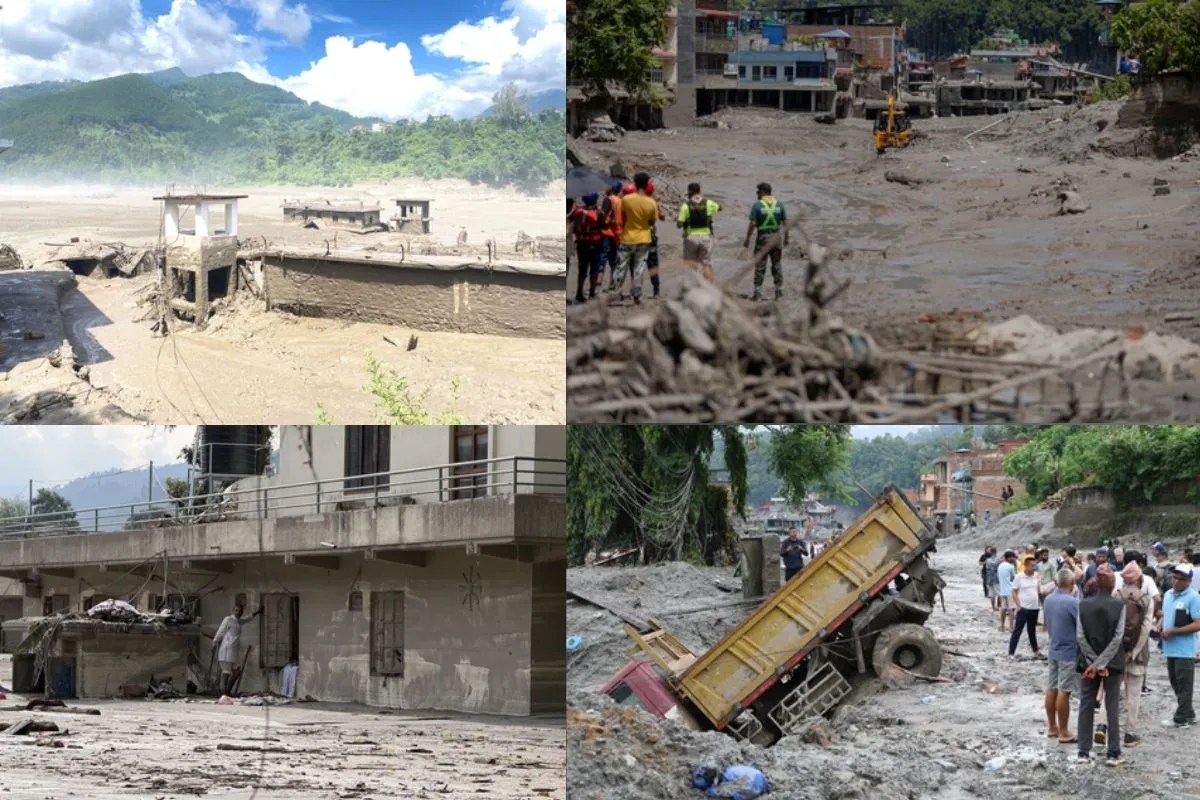
Every monsoon season, the headlines write themselves. Tragic numbers roll in from the Himalayas. Entire families wiped out in a single night. Four thousand missing. Twenty-three bodies pulled from the wreckage of a single home. The media machine grinds into motion, flashing the same lazy narrative across your screens: Mother Nature is angry again, climate change is relentless, and geography is a curse.
It is a comforting lie. It absolves the people with real power of every single sin they committed long before the first drop of rain touched the soil.
Stop blaming the clouds. The water did not murder those people. Unchecked urban greed, institutional paralysis, and a decades-long refusal to govern did.
The Geography Myth
Let us clear up the lazy consensus immediately. The standard narrative treats the Himalayas as fragile, doomed giants that inevitably collapse under heavy rain. Geologists and civil engineers know better. Yes, young mountain ranges are inherently dynamic. Yes, tectonic activity makes the terrain volatile. But tectonic instability does not explain why concrete buildings stand directly in the historical paths of debris flows.
Nature does not pick neighborhoods. Human zoning laws do. Or rather, the total absence of them.
I have walked the riverbanks of the Kathmandu Valley and the steep ravines leading down toward the lowlands. What you see is not an act of God. It is an act of real estate speculation. Every square inch of river floodplain has been parceled out, bought off, and built upon with zero regard for hydrology. Natural drainage channels have been choked by illegal sand mining and unauthorized concrete construction.
When you pave over a natural sponge, water has nowhere to go. When you build multi-story brick and mortar homes directly on top of ancient seasonal torrent beds, you are not living dangerously. You are signing death warrants and blaming the sky when the ink dries.
The Epidemic That Follows Is Man-Made Too
The headlines love a double punch. First the flood, then the specter of disease. Cholera, dysentery, waterborne infections spreading through the wreckage like wildfire. The media frames this as the cruel inevitability of natural disasters.
Let us call this what it is: administrative failure.
Disease outbreaks after floods do not happen because water is wet. They happen because local governments refuse to invest in municipal sanitation, robust sewage separation, and rapid emergency logistics. When water systems are archaic, leaky, and porous, a heavy rain transforms the drinking supply into an open sewer.
Governments across South Asia love disaster management budgets because crises are great camouflage for embezzlement. Pre-disaster mitigation—reinforcing riverbanks, mapping true hazard zones, banning construction in high-risk basins—does not win ribbon-cutting ceremonies. It does not provide good photo ops for politicians standing in helicopters.
Post-disaster relief, however? That is a goldmine for corruption. Blankets, chlorine tablets, temporary shelters, and international aid funds arrive by the ton. Much of it vanishes into the administrative black hole of bureaucratic incompetence.
The Missing Four Thousand
Four thousand missing. Read that number again. In a modern era of satellite tracking, mobile phones, and geolocated registries, thousands vanish into thin air during a natural calamity.
How is this acceptable?
The truth is that local authorities have no idea who lives where because municipal registries are a joke. Informal settlements sprout overnight. Migrant workers from the hills live in unmapped, unregistered clusters along riverbanks because urban land is unaffordable. When a flash flood sweeps through an unregistered shantytown, those people do not exist on the census. They do not exist on the emergency rolls. They only become statistics when their bodies wash up downstream.
This is the dirty secret of disaster statistics. The death toll is not a measure of the storm's fury. It is a direct index of systemic neglect. The higher the body count of the unregistered, the more profound the institutional failure of the state.
What Real Preparation Looks Like
If we want to stop writing these exact same articles year after year, we have to stop treating disasters as acts of fate and start treating them as engineering and governance failures.
Here is what actually works, stripped of political pleasantries:
- Total Construction Bans on All Floodplains: No exceptions for political donors, no retroactive legalization of illegal riverbank settlements. If a building is in a high-risk hydraulic zone, it must be demolished. Period.
- Decentralized Early Warning Systems That Bypass Bureaucracy: Sirens and automated text alerts tied directly to upstream rainfall gauges, controlled by algorithms—not local politicians who wait for permission from the capital to sound the alarm.
- Mandatory Geotechnical Audits: Every municipality in the hill regions needs transparent, public hazard mapping. If your land is unstable, you cannot insure it, you cannot sell it, and you cannot build on it.
We keep treating these events as tragedies of meteorology. They are tragedies of governance. Until we hold officials criminally liable for approving construction in death zones, the bodies will keep piling up, and the headlines will stay sickeningly the same.
The rain will fall again next year. The only question is whether we will keep playing the fool, or finally hold the architects of these disasters accountable.

