Every single time smoke chokes out a European skyline, the media script is photocopied from the previous year. Politicians gather for emergency optics, headlines scream about monsters consuming the countryside, and a quarter of a million people pack their lives into car trunks while talking heads point a collective finger at a warming planet.
It is a convenient narrative. It is also dangerously incomplete.
If your diagnosis of a systemic failure stops at weather patterns, you are treating a symptom while feeding the disease. I have spent years analyzing disaster response economics and environmental management frameworks, and the lazy consensus dominating the headlines is actively preventing us from fixing the problem. We are treating fires as supernatural acts of atmospheric wrath rather than predictable failures of land management.
Let us look past the panic.
The Consensus Fallacy
The mainstream narrative peddles a neat, seductive cause-and-effect chain: carbon emissions rise, temperatures spike, forests spontaneously combust.
This framing lets everyone off the hook. It absolves local governments of decades of bureaucratic neglect, shifts responsibility to an abstract global crisis, and turns emergency management into an endless cycle of reactive hand-wringing.
The truth is starkly unglamorous. Catastrophic blazes do not happen because it is hot out. They happen because we spent the last century extinguishing every small, natural fire that nature used to clear out the underbrush. We turned manageable woodlands into tinderboxes loaded with a hundred years of accumulated fuel.
Imagine a bank account where you never withdraw interest, letting the principal accumulate silently for a century until a single spark bankrupts the institution. That is modern forestry. By treating every wisp of smoke as an existential emergency to be crushed instantly, we engineered the very mega-fires we now pretend to be shocked by.
The Bureaucracy of Ash
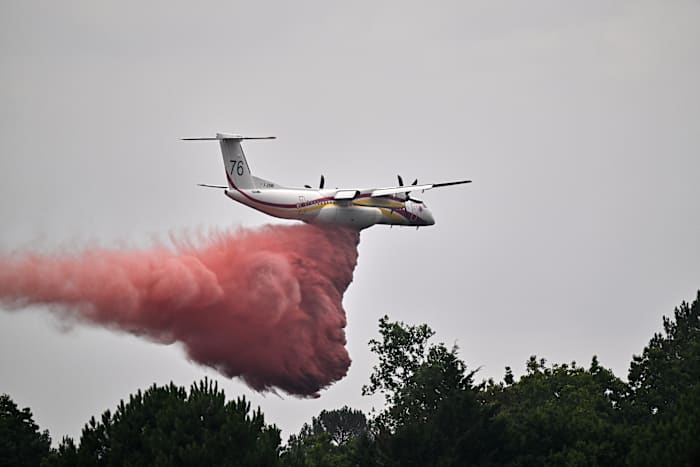
When 250,000 people are displaced, the immediate instinct is to look at fire trucks and water bombers. That is operational illiteracy. Aerial drops do not stop crown fires; they buy time for evacuation crews. The fight is won or lost months before a spark lands, through cold, calculated, unsexy work: controlled burns, mechanical thinning, and creating defensible buffer zones around human settlements.
Yet, environmental bureaucracy routinely blocks these vital interventions. Permitting processes take years. Local authorities face fierce opposition from well-meaning urban activists who view any manipulation of a tree canopy as a sacrilege.
The result is a lethal paradox. In our quest to protect pristine wilderness, we make it impossible to manage. We let dead wood pile up until nature manages it for us—with extreme prejudice.
The Economic Shell Game
Governments love crisis meetings because crisis meetings justify blank checks. Pouring billions into emergency suppression after the fact looks decisive on the evening news. Investing in preventative clearing work ten years prior does not win votes.
Insurance markets are starting to wake up to this scam, even if politicians refuse to. When policies skyrocket or vanish entirely in vulnerable regions, it forces a reckoning. We cannot afford to keep rebuilding in high-risk zones using the exact same playbook that failed the first time.
If we want to stop fleeing our homes, we have to stop treating fire as an invader and start treating it as an ecological tool. We need to strip away the regulatory red tape that stops local agencies from performing prescribed burns. We need to accept that a smoky spring sky from a controlled burn is the price of admission for avoiding a apocalyptic inferno in August.
Stop waiting for the climate to cooperate. It never will. Fix the ground beneath your feet instead.