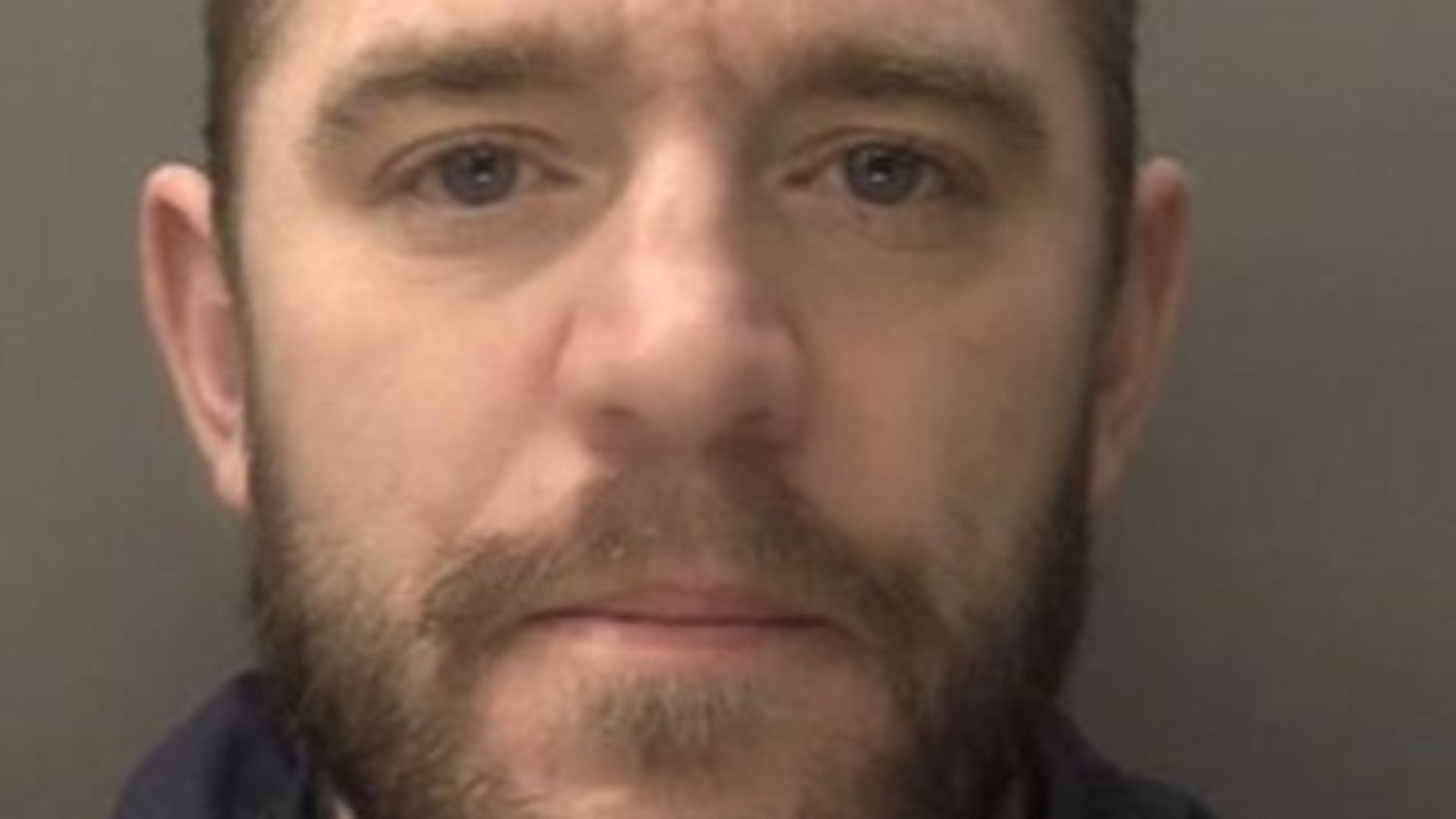
The top federal prosecutor in Los Angeles isn't who you’d expect to see in a deep-blue stronghold like Southern California. While most of the state's political machinery leans hard left, the Central District of California—the largest federal judicial district in the country—is currently helmed by Bill Essayli. He’s a former Republican State Assemblyman and a vocal supporter of the current administration.
If you’re wondering how a partisan figure remains the chief law enforcement officer for 20 million people without a full Senate confirmation, you've hit on one of the most effective legal maneuvers in modern DOJ history. It's not a secret, but it's definitely a loophole. By shuffling job titles and exploiting the Federal Vacancies Reform Act (FVRA), the Department of Justice has essentially bypassed the traditional "advice and consent" of the Senate.
The Shell Game of Federal Titles
In a normal world, the President nominates a U.S. Attorney, the Senate Judiciary Committee holds a hearing, and the full Senate votes. It's a slow, public, and often painful process. To avoid that friction, the administration has turned to a "musical chairs" strategy.
When the previous U.S. Attorney, Martin Estrada, resigned in early 2025, the vacancy opened a window. Instead of waiting for a permanent, Senate-confirmed replacement, the Attorney General appointed Essayli as the First Assistant U.S. Attorney. Under the FVRA, the First Assistant can automatically become the "Acting" U.S. Attorney for a period of 210 days.
But here’s where the loophole gets clever. When that 210-day clock runs out, or if a judge tries to appoint a different interim successor (which they have the power to do under 28 U.S.C. § 546), the DOJ simply changes the person's title again. In several districts, including Los Angeles, the administration has named these loyalists as "Special Attorneys to the Attorney General." By delegating the full authority of a U.S. Attorney to a "Special Attorney," the DOJ argues that the person can run the office indefinitely. They get the power, the badge, and the final say on prosecutions, all while skipping the background checks and public scrutiny that come with a Senate confirmation hearing.
Why This Matters for Los Angeles
The Central District of California isn't just any office. It covers seven counties, including Los Angeles, Orange, and Riverside. It handles everything from high-stakes white-collar fraud to international drug trafficking and civil rights violations.
When a "loyalist" holds this seat, the priorities change overnight. We’ve already seen a massive shift in how the DOJ handles its caseload. National data shows that thousands of criminal investigations opened before 2023 were abruptly dropped in early 2025. In Los Angeles, the focus has pivoted sharply toward immigration enforcement and away from the "impact litigation" favored by the previous administration.
Critics argue this "loophole" creates a shadow DOJ. If a prosecutor knows they owe their job entirely to the President’s personal intervention rather than a bipartisan Senate vote, their loyalty shifts. They aren't just an officer of the court anymore; they're an extension of the White House.
The Pushback From the Bench
Federal judges aren't exactly thrilled about being sidelined. Usually, if a U.S. Attorney vacancy lasts longer than 120 days, the local district court judges get to pick an interim replacement. It’s a checks-and-balances feature designed to keep the justice system moving.
However, the current DOJ has been aggressive in fighting these judicial appointments. When judges in other districts have tried to install career prosecutors to lead offices, the DOJ has occasionally fired those career employees almost immediately. It’s a "my way or the highway" approach that has left the legal community reeling.
In Essayli’s case, his background as a partisan legislator makes him a lightning rod for controversy. His critics say he’s there to protect the administration’s interests; his supporters say he’s finally bringing "law and order" to a city that’s been too soft on crime.
What This Means for Your Legal Rights
If you're caught in the crosshairs of a federal investigation in Southern California, the person at the top matters. The U.S. Attorney has "prosecutorial discretion"—the power to decide which cases are worth the government's time and which should be tossed.
- Policy Shifts: Expect more resources diverted to "Operation Safe Cities" and immigration-related offenses.
- Civil Rights: There's a noticeable cooling effect on civil rights probes into local police departments.
- Corruption: High-profile public corruption cases, which were a staple of the Estrada era, may face a higher bar for approval if they don't align with the current administration's narrative.
This isn't just a wonky debate about administrative law. It's about who wields the power of the federal government in your backyard. By using the "Special Attorney" designation, the administration has found a way to keep its most trusted allies in power, even in places that voted overwhelmingly against them.
If you want to keep track of how these appointments are being challenged, keep an eye on the Democracy Docket or the latest filings in the Central District of California. The legal battles over these "temporary" titles are likely headed to the Supreme Court, as judges and the executive branch fight over who actually has the right to name a prosecutor. For now, Bill Essayli remains in the big chair, and the "loophole" remains wide open.