Every time Washington trotted out another microphone to declare that Tehran's nuclear ambitions have been permanently flatlined, the mainstream media swallowed the press release whole. The lazy consensus resting comfortably in newsrooms from New York to New Delhi is that military strikes and naval blockades can achieve permanent nuclear non-proliferation. It is a comforting fairytale told by strategists who refuse to look at the physics of modern statecraft. Bombs break concrete, but they cannot bomb an ideology, nor can they permanently erase indigenous scientific knowledge from the minds of a determined nation's physicists.
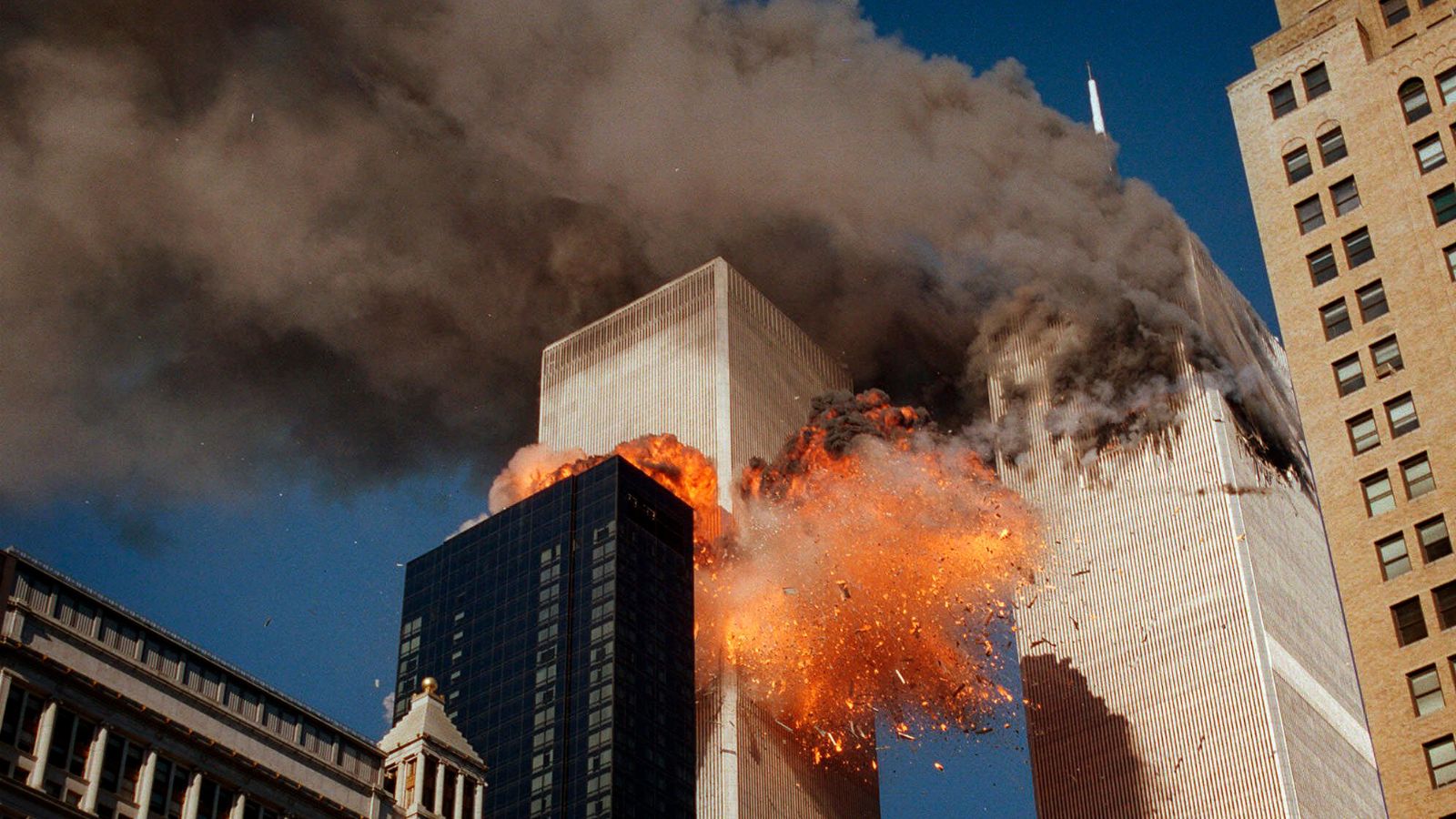
Let us look past the political theater of anniversary declarations and examine the mechanical reality. When political figures stand before memorial backdrops to promise that a sovereign state will never acquire a specific technology, they are selling an illusion of absolute control that has never existed in human history. Knowledge is not a fixed asset that can be permanently seized or permanently destroyed by a bunker-buster. Once a country crosses the threshold of foundational nuclear literacy, physical infrastructure is merely a temporary variable.
Imagine a scenario where every known centrifuge facility, enrichment plant, and underground assembly hall is systematically flattened to bedrock. What happens on day two? The engineers do not evaporate. The equations do not un-write themselves. What the current geopolitical narrative completely misses is that modern deterrence is no longer about keeping a rival at zero; it is about managing the velocity of their inevitable re-emergence. By framing the issue as an permanent absolute—either they have zero capability or we have won—policymakers back themselves into an intellectual corner where every rebuilt tunnel or dispersed laboratory is treated as an existential shock rather than an entirely predictable engineering response.
The core misconception stems from a fundamental misunderstanding of how decentralized technology works in the twenty-first century. In past decades, a nuclear program required massive, visible, centralized footprints that made sitting ducks out of sovereign projects. Today, modular components, digital blueprints, and dual-use supply chains mean that capability can shrink, hide, and scatter into the noise floor of global commerce. When economic warfare and naval chokeholds are applied with maximum pressure, they do not starve a regime of technical ambition; they hyper-incentivize indigenous substitution. Sanctions become the very curriculum by which a sanctioned state learns to build its own independent industrial depth.
I have watched defense analysts blow millions of words and billions of dollars operating under the linear assumption that applied force equals permanent behavioral modification. It does not. Force alters the timeline, but it also hardens the resolve of the targeted actor to eliminate their dependency on external vulnerabilities entirely. If your entire strategy relies on stopping a determined adversary from acquiring fissile material through perpetual kinetic intervention, you are not executing a policy—you are signing up for an endless subscription to crisis management.
The inconvenient truth that nobody in the official discourse wants to admit is that containment requires acknowledging limits. Absolute security is a marketing term, not a strategic reality. When leaders promise a world where a hostile regional power is permanently locked out of a technology they desperately want, they are substituting wishful thinking for hard-headed risk management. The sooner geopolitics abandons the myth of the permanent zero, the sooner we can deal with the actual mechanics of deterrence rather than applauding the illusion of control.
Stop treating foreign policy like an action movie where the final explosion rolls the credits and solves the plot forever. Real statecraft begins the morning after the smoke clears, when the physics of human ingenuity resume their work underground.
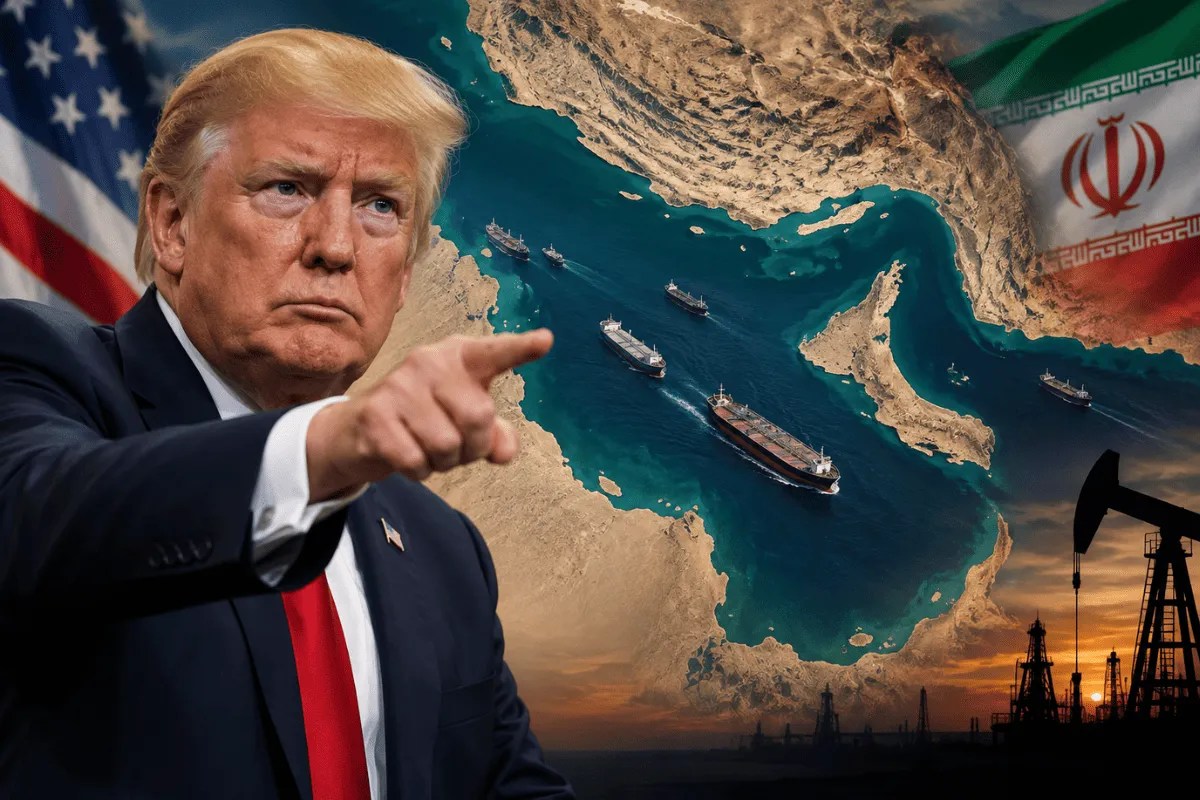
Trump addresses Iran war during 9/11 remembrance remarks
This video provides direct context on how political leaders frame military actions and non-proliferation policies during major national memorial addresses.
http://googleusercontent.com/youtube_content/1