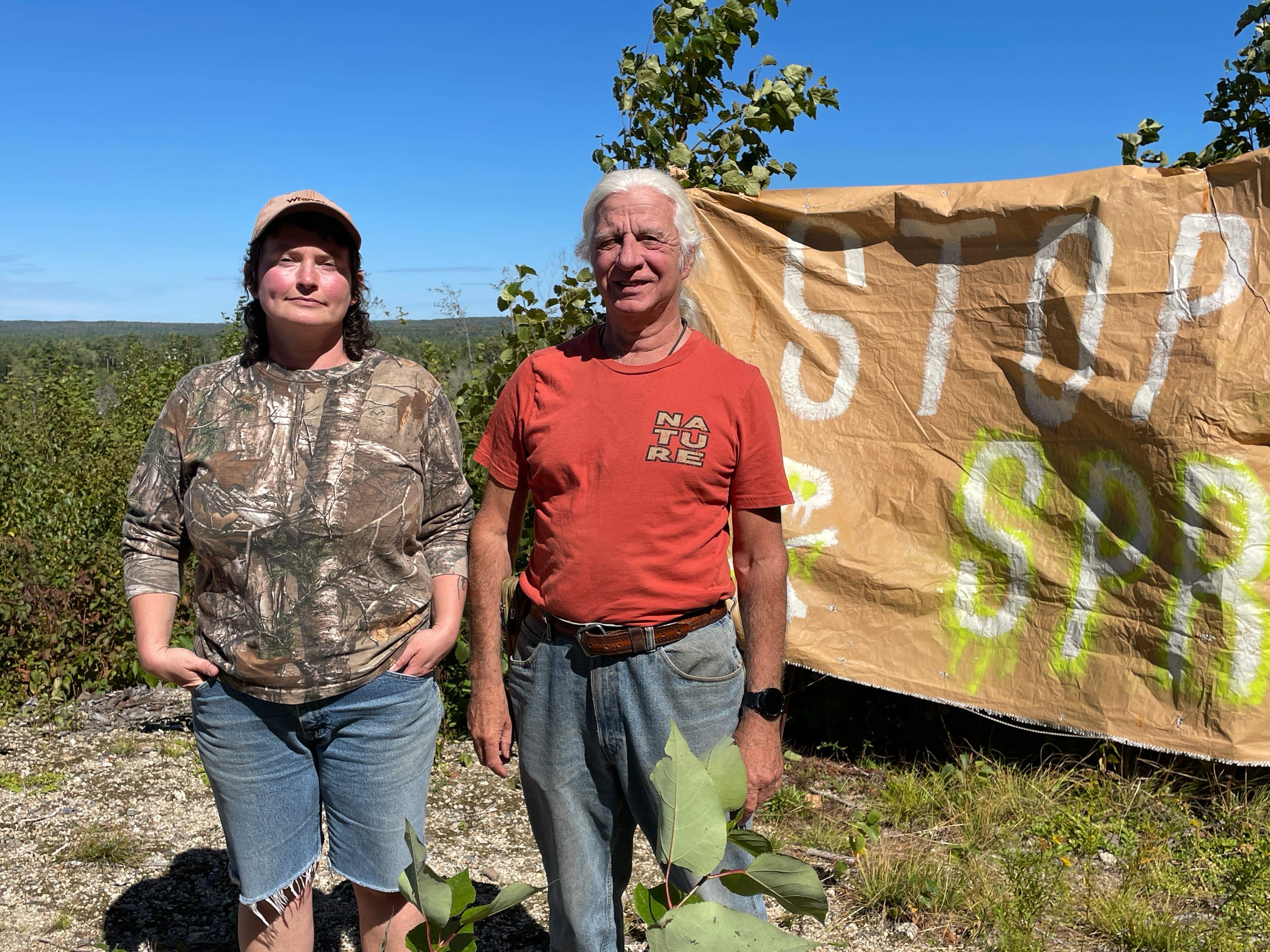
When you walk through the woods of Nova Scotia, you expect peace. You expect the smell of pine, the rustle of leaves, and the quiet hum of nature. But for folks living near Bear River, that quiet has been shattered by a familiar, unwelcome worry. Herbicide planes are back on the horizon, and local communities are sick of watching chemicals rain down on their backyards.
Aerial glyphosate spraying isn't new in this province, but the pushback from residents, landowners, and environmental advocates is reaching a boiling point. People aren't just filing complaints anymore. They're organizing, speaking out at municipal meetings, and demanding to know why state-sanctioned forestry practices continue to override local health and safety concerns.
If you live outside the Maritimes, you might wonder what all the fuss is about. It is just weed killer, right? Not quite. When forestry companies use glyphosate-based herbicides like Roundup to wipe out hardwoods and clear space for softwood plantations, they are fundamentally altering local ecosystems. And they are doing it right next to residential water supplies, hunting grounds, and properties where families actually live.
The Reality of Aerial Spraying in Nova Scotia
Let's get one thing straight. This isn't a targeted spray bottle job. Forestry operations deploy fixed-wing aircraft or helicopters to blanket large swaths of forest canopy. Wind drift is a massive, persistent problem. You can plan for calm weather all you want, but gusts carry fine mist droplets far beyond property lines.
Residents in Bear River and surrounding Annapolis County communities know this drill all too well. They look up, see the low-flying aircraft, and hold their breath. Water wells sit uncomfortably close to these spray zones. People grow food, pick berries, and raise livestock right next to Crown land designated for herbicide treatment.
The official stance from forestry proponents is always the same. They claim the chemicals break down quickly, that regulatory bodies approve them, and that they are essential for economic timber production. They argue that without clearing competing vegetation, commercial softwood crops like spruce won't thrive against fast-growing hardwoods like alder and birch.
Local residents aren't buying the corporate reassurance anymore. They see the aftermath firsthand. Entire hillsides turn brown and die. Wildlife habitats vanish. Wild blueberry pickers find their traditional harvest zones contaminated. The economic benefit flows out of the region to corporate timber giants, while the ecological and health risks stay right here with the people who call Bear River home.
Health and Environmental Concerns That Won't Go Away
You don't need a PhD in toxicology to ask hard questions about spraying synthetic chemicals across public watersheds. Yet, health concerns raised by grassroots groups are routinely brushed aside by regulators who rely on manufacturer-backed safety data.
Glyphosate has spent years tangled in global litigation and scientific debate. While regulatory agencies in various countries maintain it is safe when used according to label instructions, a growing body of independent research points toward troubling links. Studies suggest potential impacts on endocrine disruption, gut microbiomes, and long-term cellular health. More importantly, commercial herbicide formulations often contain surfactants—like POEA—that can be significantly more toxic than glyphosate on its own.
When these mixtures drop from the sky onto a mixed-wood forest in Nova Scotia, they don't just target target weeds. They alter the soil chemistry. They leach into shallow water tables. People who rely on dug wells worry about what they are drinking after a heavy rain following a spray season.
Biodiversity takes a massive hit, too. Nova Scotia's Acadian forests are naturally diverse, resilient ecosystems. Spraying them to create mono-culture softwood tree farms turns a living forest into a green desert. Bees, butterflies, and pollinators lose their food sources. Birds lose nesting grounds. When you kill the understory, you pull the rug out from under the entire local food web.
Why Local Pushback Keeps Getting Stronger
Communities like Bear River are fighting an uphill battle against deep-pocketed forestry interests and provincial inertia, but they are getting smarter and louder. Protests are better organized. Legal challenges are sharper. Municipal leaders are facing intense pressure to pass resolutions condemning aerial spraying, even if forest management ultimately falls under provincial jurisdiction.
People are asking a very simple question. Why should public health and local economies take a back seat to private forestry profits?
Public opinion polls across Atlantic Canada consistently show that a majority of citizens oppose aerial herbicide spraying. They want it banned, plain and simple. Jurisdictions in other parts of the world have restricted or outlawed the practice entirely. Quebec dramatically curtailed aerial herbicide use decades ago, proving that forestry can survive and adapt without dumping chemicals from the sky.
Yet Nova Scotia lags behind. Bureaucrats hide behind outdated guidelines, while local residents bear the brunt of the risk. Every spray season ignites a fresh wave of anxiety, forcing citizens to monitor flight paths, test their well water independently, and document environmental changes themselves.
What Needs to Happen Now
If you want to support communities like Bear River, start by paying attention to where your wood and paper products come from. Push provincial lawmakers to modernize forestry regulations. Demand transparency from companies operating in your backyard.
You can contact your local member of the legislative assembly to voice opposition to aerial herbicide permits. Support organizations like the Blomidon Naturalists Society, the North Mountain Environmental Task Force, and other regional groups tracking forestry practices in Nova Scotia.
Communities shouldn't have to beg for clean air and safe water. Aerial glyphosate spraying is an outdated, heavy-handed relic of industrial forestry that belongs in the past. It is time for Nova Scotia to listen to its people, protect its forests, and ban the spray for good.