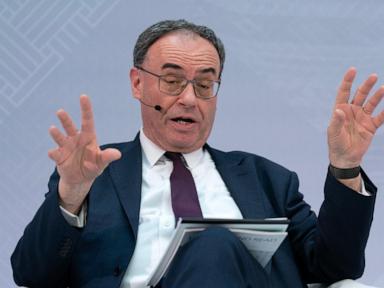
The Bank of England is stuck. If you're looking for a cut to your mortgage rate this month, you're probably going to be disappointed. Threadneedle Street is watching the escalation of the conflict in the Middle East with a level of anxiety that makes a simple interest rate decision feel like a secondary concern. But it isn't secondary. It's the whole game. The central bank faces a brutal reality where geopolitical instability in the Gulf could undo two years of painful progress on inflation.
Expectations for a hold are baked in. Most analysts at major firms like Goldman Sachs and HSBC agree that the Monetary Policy Committee (MPC) is going to sit on its hands. They don't have much of a choice. When war looms, oil prices jump. When oil prices jump, everything from your weekly grocery shop to the cost of delivery for a new sofa goes up. Andrew Bailey and his colleagues are staring at a potential energy shock that could keep inflation sticky for much longer than anyone hoped.
The shadow of the energy market
Energy prices are the elephant in the room. The UK is particularly vulnerable to global price swings because of our reliance on imported gas and the way our domestic energy market is structured. If the conflict involving Iran shifts from rhetoric to a sustained disruption of the Strait of Hormuz, we're looking at a global supply bottleneck that could send crude oil back toward $100 a barrel.
You've seen this movie before. In 2022, the surge in energy costs drove UK inflation to double digits. The Bank spent the next two years aggressively hiking rates to bring that number back down to its 2% target. They've finally reached a point where things feel stable. Why would they risk it now? Cutting rates while the world's most volatile oil-producing region is on fire would be a massive gamble. They won't take it.
It's about more than just the price at the pump. Higher oil prices feed into "second-round effects." This is the jargon central bankers use to describe how businesses pass on their higher costs to you. If a trucking company has to pay 15% more for fuel, they're going to charge the supermarket more. The supermarket then charges you more for bread. This cycle is exactly what the MPC is trying to kill off.
Inflation isn't as dead as it looks
On paper, the UK's inflation figures look decent lately. We've seen a return to the 2% neighborhood. However, the "core" inflation figure—which strips out volatile things like food and energy—remains stubbornly high. Services inflation is the real problem. This is driven by wages, and wages are still growing at a rate that makes the Bank of England nervous.
If you look at the data from the Office for National Statistics (ONS), private sector pay growth hasn't slowed down enough to justify a series of rapid rate cuts. People are still getting raises, which means they're still spending. That spending keeps prices high in restaurants, hotels, and hair salons. The Bank needs to see a cooling in the labor market before they feel comfortable easing the pressure on borrowers.
The credibility trap
The Bank of England has a reputation problem. They were criticized for being too slow to hike rates when inflation first started climbing. They don't want to make the same mistake in reverse. If they cut rates now and inflation spikes again because of a war-induced oil shock, they'll look like they've lost control.
Maintaining credibility is everything for a central bank. If the public and the markets believe the Bank is "soft" on inflation, then inflation expectations rise. People start demanding higher wages because they expect prices to go up, and the whole mess starts over. By holding rates steady, the Bank is sending a signal that they're still the adults in the room. They're willing to wait for the dust to settle in the Middle East before making their next move.
What this means for your wallet
If you're on a tracker mortgage, your payments aren't going down anytime soon. If you're looking to remortgage, the deals available on the market might actually get slightly worse before they get better. Lenders aren't just looking at the current Base Rate. They're looking at "swap rates," which are basically bets on where interest rates will be in the future.
Because the risk of a war-driven inflation spike is higher now, those swap rates have been creeping up. Banks are getting more cautious. They aren't going to offer you a 3.5% fix if they think there's a chance the Bank of England might have to keep rates high for another year.
Savers, on the other hand, are the only ones winning here. If you've got cash in a high-interest account, you can expect those returns to hang around a bit longer. But even then, you have to weigh those gains against the rising cost of living if energy prices do take off.
The global context
The UK isn't an island when it comes to monetary policy. The Federal Reserve in the US is facing similar dilemmas. Jerome Powell and the Fed have signaled a "higher for longer" approach because the US economy is proving to be incredibly resilient. If the US keeps rates high, the Bank of England almost has to follow suit.
If we cut rates while the US stays high, the pound gets weaker against the dollar. A weak pound is bad news for inflation because we import so much stuff. Everything priced in dollars—including oil—becomes more expensive for us. It's a double whammy. The Bank of England has to keep one eye on the Middle East and the other on Washington D.C.
The risk of doing nothing
There is, of course, a downside to holding rates too high for too long. The UK economy isn't exactly a powerhouse right now. We're flirting with stagnation. By keeping rates at their current levels, the Bank is intentionally slowing down economic activity. They're making it harder for businesses to invest and harder for households to spend.
Some economists argue that the Bank is overdoing it. They worry that by focusing too much on the potential risks of a war in the Middle East, they're ignoring the very real pain being felt by UK homeowners and small businesses. If they wait too long to cut, they could tip the economy into a deep recession.
But for Andrew Bailey, a recession is a manageable problem compared to out-of-control inflation. You can fix a recession with stimulus and rate cuts later on. Fixing hyper-inflation or a lost decade of price stability is much harder.
Why the Iran factor is different this time
In previous decades, a conflict in the Middle East meant a guaranteed global recession. Today, things are slightly different. The US is now a massive oil producer, which provides some cushion. However, the UK doesn't have that luxury. We are still at the mercy of global markets.
The specific threat of an Iran-centered conflict involves the potential closure of shipping lanes. It's not just about the oil coming out of the ground. It's about getting that oil to the refineries. If ships can't get through, supply chains break. We saw what happened during the pandemic when supply chains broke. Prices went through the roof. The Bank of England remembers that all too well.
Managing your finances in a hold environment
You can't control what happens in the Strait of Hormuz, and you certainly can't control the MPC. But you can stop waiting for a "rescue" in the form of lower rates. The era of nearly free money is over. We're moving back to a more "normal" interest rate environment where 4% or 5% is the standard, not the exception.
If you have debt, prioritize paying down the highest-interest stuff first. Don't assume your mortgage rate will be significantly lower in six months. If you're offered a fix that you can afford, it might be worth taking the certainty over the gamble of waiting for a cut that may not come until 2027.
The smart move is to build a buffer. If energy prices do spike this winter due to geopolitical tensions, you'll want that extra cash on hand. Stop looking at the monthly MPC meetings as a source of hope. Look at them as a reminder that the world is currently a very unpredictable place, and the people in charge of the UK's money are rightfully terrified of making a wrong move.
Focus on what you can lock in. Check your energy tariffs and see if a fixed deal makes sense now before the next price cap update. Review your savings to ensure you're getting at least 5% on your cash. Most importantly, ignore the headlines promising "imminent cuts." Those headlines don't account for the reality of a world on the brink of a regional war. The Bank of England is playing defense, and they’re going to be in that formation for a while.