The coffee in the diner on Elm Street is lukewarm, tasting faintly of scorched iron and institutional resignation. Outside, the early morning frost clings to the rusted tailgates of pickup trucks, their beds empty, waiting for a construction season that feels more uncertain with every passing news cycle. Inside, the radio murmurs about ballot boxes, electoral districts, and the quiet theater of byelections. But nobody is listening to the pundit on the dial. They are listening to the wind against the glass, and they are wondering what is coming across the river.
Elections are supposed to be about local grievances. Potholes. School boards. The municipal water line that broke three winters ago and was patched with civic prayers rather than steel. Yet today, as voters step into curtained booths across the country to cast their ballots in high-stakes byelections, the local issues feel strangely weightless. They are being crushed under the heavy, distant shadow of a looming trade war.
Consider Arthur. This is a hypothetical portrait, but he stands for thousands who walk these streets. Arthur runs a small manufacturing plant that stamps out steel brackets for automotive frames. For thirty years, his rhythm has been steady. He orders raw stock, stamps the metal, loads the crates onto flatbeds, and watches them cross the southern border. His grandfather built the shop. His daughter keeps the books. But lately, Arthur does not sleep. He sits at his kitchen table at three in the morning, staring at a glow from his smartphone screen, reading about tariffs, retaliatory measures, and executive declarations born a thousand miles away in Washington.
When a politician knocks on Arthur’s door today, they want to talk about health care wait times or local transit funding. Arthur wants to talk about supply chains. He wants to know if his livelihood is about to become collateral damage in a macro-economic collision.
This is the strange psychological landscape of a modern byelection. It serves as a referendum on the government in power, yes, but it also acts as a seismograph. It measures the tremors of anxiety rippling down from the global stage into the quiet kitchens of suburbia and rural towns. The politicians in Ottawa watch these votes with white-knuckled intensity. A swing of a few thousand votes in a safe seat is not just a localized rejection of a local candidate; it is a primal scream. It is the electorate testing their lungs before the storm hits.
The numbers tell a stark story, even if the politicians try to dress them up in optimistic rhetoric. Economists point to the fragile equilibrium of cross-border trade, noting that over three-quarters of national exports head south. When an incoming American administration threatens sweeping tariffs under the banner of protectionism, the shockwaves do not hit abstract gross domestic product figures first. They hit Arthur. They hit the timber workers in British Columbia, the canola farmers on the prairies, and the auto parts assemblers in Ontario.
And so, the ballot box becomes an instrument of preemptive self-defense.
Voters walk in carrying grocery bills inflated by currency pressures and supply chain jitters. They carry the invisible weight of uncertainty. They look at the names on the paper and they ask themselves a singular, brutal question: Who can protect us when the giant next door decides to swing his elbows?
History offers cold comfort here. We have danced this dance before. Tariffs breed counter-tariffs. Protectionism chokes innovation, turning vibrant economic corridors into guarded checkpoints. But this time feels sharper, more personal. The political discourse has shifted from friendly neighborly negotiations to zero-sum brinkmanship. Every policy speech from the south feels like a weather report predicting a category-five hurricane, and Canadian voters are desperately trying to reinforce their homes using whatever tools they have left.
The irony of a byelection is its local isolation meeting global panic. A single constituency chooses a representative, a solitary voice in a crowded parliament, while the structural foundations of their economic survival tremble. Yet, this is precisely where democracy has always lived—not in the grand halls of international summits, but in the gritty, nervous reactions of ordinary people trying to feed their families.
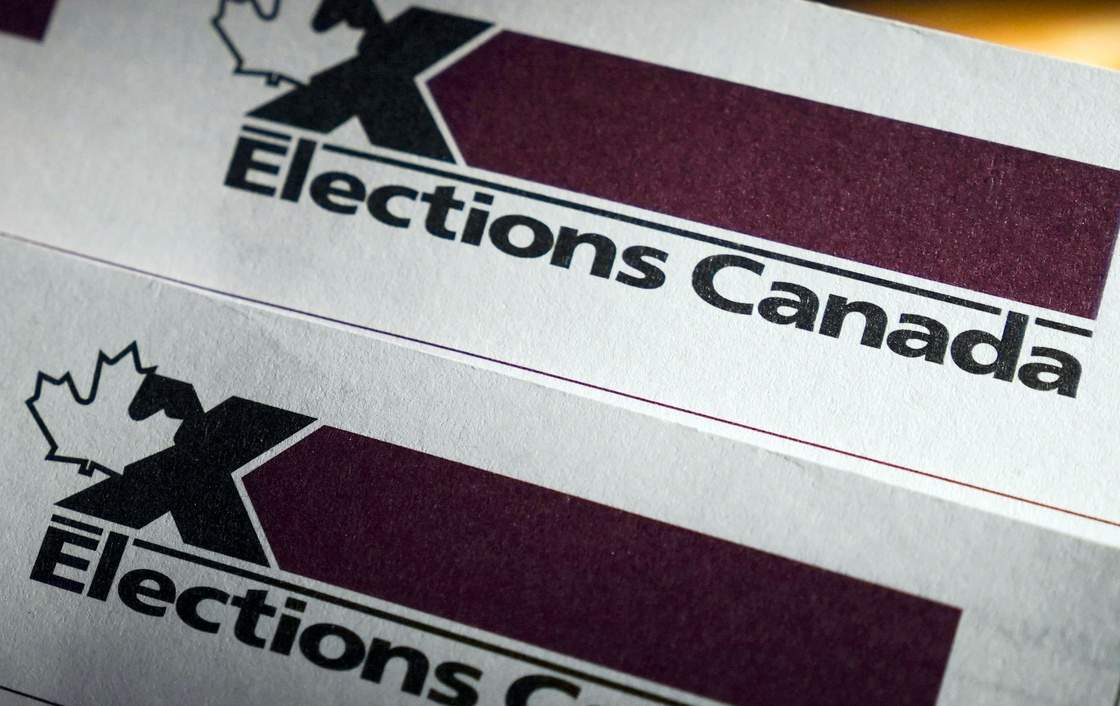
As the sun sets over the diner, the cardboard ballot boxes are sealed, tipped upside down, and emptied onto long tables. Counters begin their work, sorting paper by hand, smoothing creases, verifying signatures. The tally will be broadcast across the nation by midnight.
We will read the percentages by morning. We will parse the swing numbers and listen to analysts dissect whether the governing party held its ground or suffered a fatal blow. But the real story will not be found in the decimal points. It will be found in the silence of men like Arthur, who walked to the ballot box through the frost, dropped a piece of paper into a slot, and hoped against hope that their vote might somehow act as a shield against the coming storm.