The coffee cup is cold on the bedside table. Next to it lies a phone glowing with notifications, alerts about supreme court decisions, cost-of-living spikes, and headlines that read like an ongoing emergency broadcast. For a nineteen-year-old college sophomore sitting in a cramped apartment, the distance between the grand theater of national politics and the immediate reality of paying for groceries feels vast. Unsurmountable, even.
Voter turnout among young people has long been treated by political analysts as a weather vane. It fluctuates based on storms, wind direction, and whether anyone bothered to hand out umbrellas. But beneath the cold statistics of midterm participation and presidential preference lies a different story. It is a story about frustration, urgency, and the quiet realization that sitting out an election is no longer an option when the future feels precarious. For an alternative look, check out: this related article.
Consider Maya, a hypothetical twenty-year-old nursing student in Ohio. Maya works twenty hours a week at a local coffee shop while carrying a heavy course load. Between shifting schedules, textbook costs that rival a month’s rent, and the gnawing anxiety of student loan debt before she has even graduated, her bandwidth is deliberately thin. For a long time, politics felt like a spectator sport played by people in expensive suits who lived in a different timezone.
Then things shifted. Related analysis on the subject has been shared by The Guardian.
It wasn't a single speech or a polished campaign advertisement that changed her perspective. It was the realization that laws passed in statehouses and Washington directly dictated the cost of her prescription medications, the funding for her university, and her bodily autonomy. Anger became a clarifying agent. When the future feels threatened, apathy stops feeling like protection and starts feeling like surrender.
Political strategists often talk about youth mobilization as if it were a switch to be flipped. If you say the right buzzwords, put an influencer on a livestream, or post a clever graphic on social media, the doors of the voting booth will magically swing open. But young voters are remarkably adept at detecting superficial pandering. They live in a hyper-connected information ecosystem where authenticity is currency and hypocrisy is instantly exposed.
When anger is the primary fuel driving young people toward the ballot box, it stems from a profound dissonance. This generation has grown up against a backdrop of historic crises. They remember active shooter drills in elementary school. They navigated pandemic-era remote learning that fractured their social development. They entered a job market marked by inflation and housing shortages. To tell them that politics doesn't matter is to ignore the fingerprints of policy on every single one of those stressors.
The Democratic Party, navigating a complex electoral map, looks to this demographic with a mixture of hope and anxiety. History shows that when young voters turn out in high numbers, the political landscape shifts dramatically. In recent election cycles, voters under thirty have demonstrated a clear ideological leaning toward progressive and moderate-left candidates, driven largely by issues concerning reproductive freedom, climate change, gun control, and economic equity.
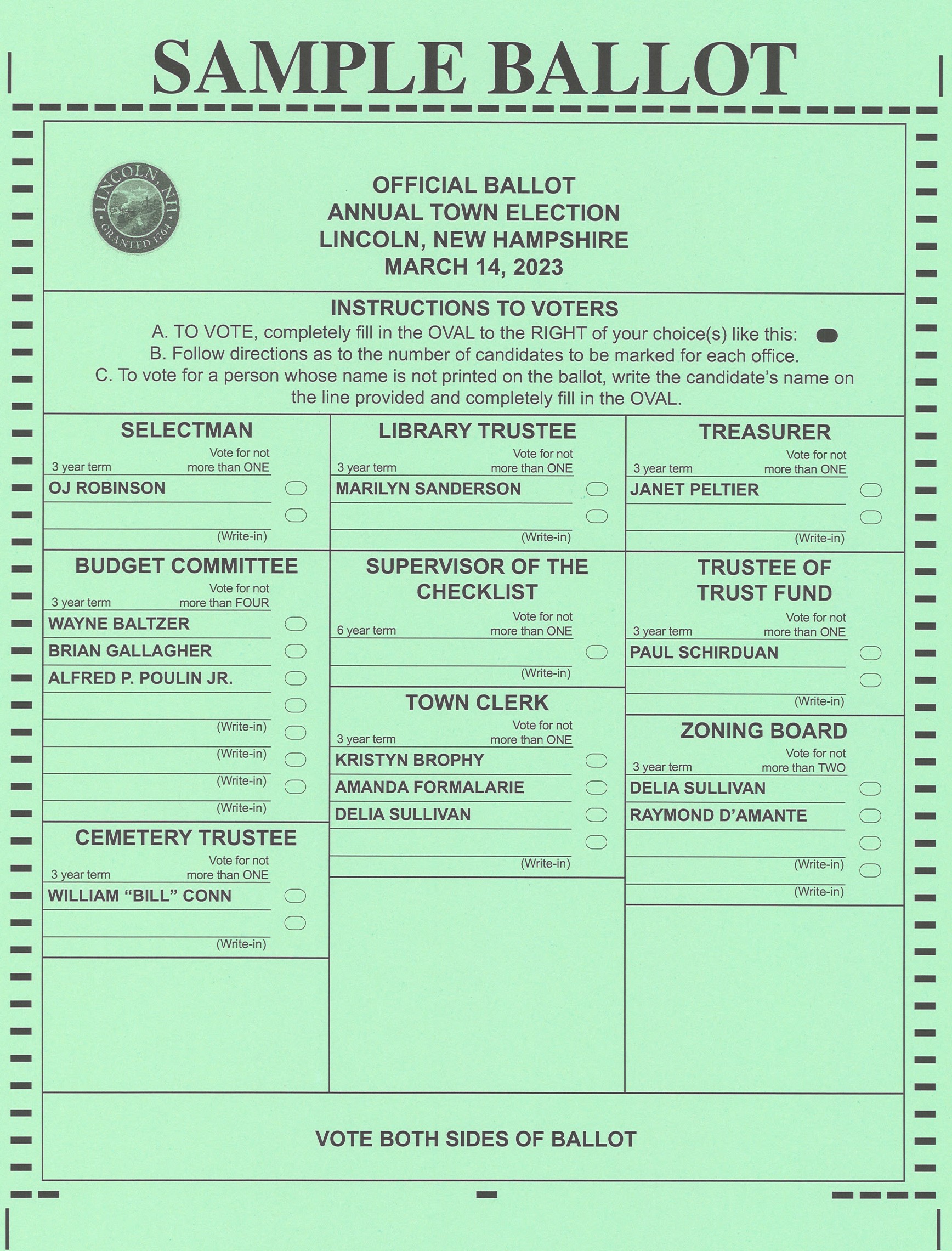
Yet, translating that ideological alignment into actual votes cast on or before Election Day requires overcoming systemic hurdles. Voter suppression tactics, restrictive ID laws, limited polling places on college campuses, and the sheer logistical friction of registering to vote while moving between dorms and apartments all create barriers. For a student juggling work and classes, waiting four hours in line on a Tuesday can mean missing a shift or failing an exam.
To understand why anger is currently serving as a potent motivator, one must look closely at what is at stake. For young women, the overturning of federal abortion protections transformed an abstract legal debate into an immediate, lived reality. For young men and women alike, the escalating climate crisis is not a distant scientific projection; it is the smoke-filled summer air outside their windows and the rising cost of insurance for coastal or fire-prone homes.
When the stakes are existential, traditional political calculations begin to fracture. Young voters are increasingly bypassing traditional party structures altogether. They organize on digital platforms, form mutual aid networks, and mobilize through grassroots community groups. They do not wait for permission from party elders to make their voices heard.
Imagine the scene inside a student union building two weeks before an election. Tables are crowded with registration forms, but the conversations happening around them are not filled with blind optimism. They are gritty, pragmatic, and urgent. Students talk about rent, about healthcare, about whether they will ever be able to buy a home. They debate the utility of participating in a system they view as deeply flawed, yet they recognize that abandoning the arena entirely leaves the field to those who wish to roll back their rights.
This is the tension at the heart of modern political engagement. It is a collision between profound disillusionment and undeniable necessity.
Political engagement among the young is often mischaracterized as fickle. Pundits wonder why youth turnout dips in midterms compared to presidential years, as if civic habituation happens overnight. But building a democracy requires cultivation. It requires removing the administrative barriers that make voting an endurance test rather than a fundamental right.
When we examine the mechanics of how anger translates into political action, we see a psychological pivot. Despair immobilizes. Anger, directed outward, organizes. It transforms private anxieties into collective demands.
The upcoming election cycles will test whether this wave of frustration can be sustained against the headwinds of cynicism and voter fatigue. But the energy is palpable. It lives in the group chats organizing carpools to early voting sites. It lives in the fundraisers launched by teenagers for local school board candidates. It lives in the quiet determination of individuals who look at the world they have inherited and decide to build something better, brick by brick, vote by vote.
The coffee cup is empty now. The phone screen goes dark. But the question hanging in the air remains unanswered, waiting entirely on what happens when the sun rises on election day and millions of young people step forward to decide their own chapter.