The sirens in Baghdad aren’t just noise anymore; they’re the heartbeat of a city on the edge. If you think the "Green Zone" implies some kind of impenetrable sanctuary, the events of March 17, 2026, just proved otherwise. Explosions rocked the capital as a wave of drones and rockets targeted the U.S. Embassy compound, sparking fires and sending diplomats to bunkers. It wasn’t a one-off. It was a calculated, ferocious assault that signals a dangerous new chapter for Iraq.
You’ve likely seen the headlines about "tensions," but let’s get real. This is a proxy war that’s stopped being subtle. The U.S. Embassy—a massive, high-tech fortress—is now a primary target in a regional firestorm that’s been burning since late February. When air defense systems start lighting up the night sky over a residential neighborhood, the word "fortified" starts to feel like a joke.
The Reality of the March 17 Assault
This wasn’t just a couple of stray mortars. Security sources confirm that at least five explosive drones and a volley of rockets were directed at the embassy. While the C-RAM defense systems (those rapid-fire guns that sound like a giant zipper) intercepted some, at least one drone managed to strike the outer wall.
The result? A fire visible from blocks away and a city gripped by panic.
Witnesses at nearby restaurants reported the ground shaking. Think about that for a second. You’re sitting down for dinner in central Baghdad, and the sky starts exploding. Some people didn't even flinch—they’re that used to it—but the intensity this time was different. It followed a similar strike just days earlier on March 14, where a missile actually hit a helipad inside the compound. The message from the attackers is clear: nowhere is off-limits.
Who is Pulling the Trigger
The "Islamic Resistance in Iraq" hasn’t been shy about claiming credit. This umbrella group of Tehran-backed militias is essentially saying they’ll keep firing until every "foreign soldier" leaves Iraqi soil.
Their motivation isn't a mystery. On the same day as the latest embassy attack, Kataeb Hezbollah announced the death of their senior security commander, Abu Ali al-Askari. In the Middle East, that kind of loss always gets a "reply." The embassy isn't just a building to these groups; it's a giant bullseye representing American influence.
Recent Escalation Timeline
- February 28: Regional conflict intensifies significantly, drawing Iraq into the crossfire.
- March 14: A missile strikes a helipad within the U.S. Embassy compound; smoke is visible for hours.
- March 16: A drone hits the roof of the al-Rasheed Hotel, a place where diplomats and journalists actually live.
- March 17: Multiple drones and rockets swarm the embassy and a diplomatic facility near Baghdad International Airport.
Why the Green Zone Label is a Myth
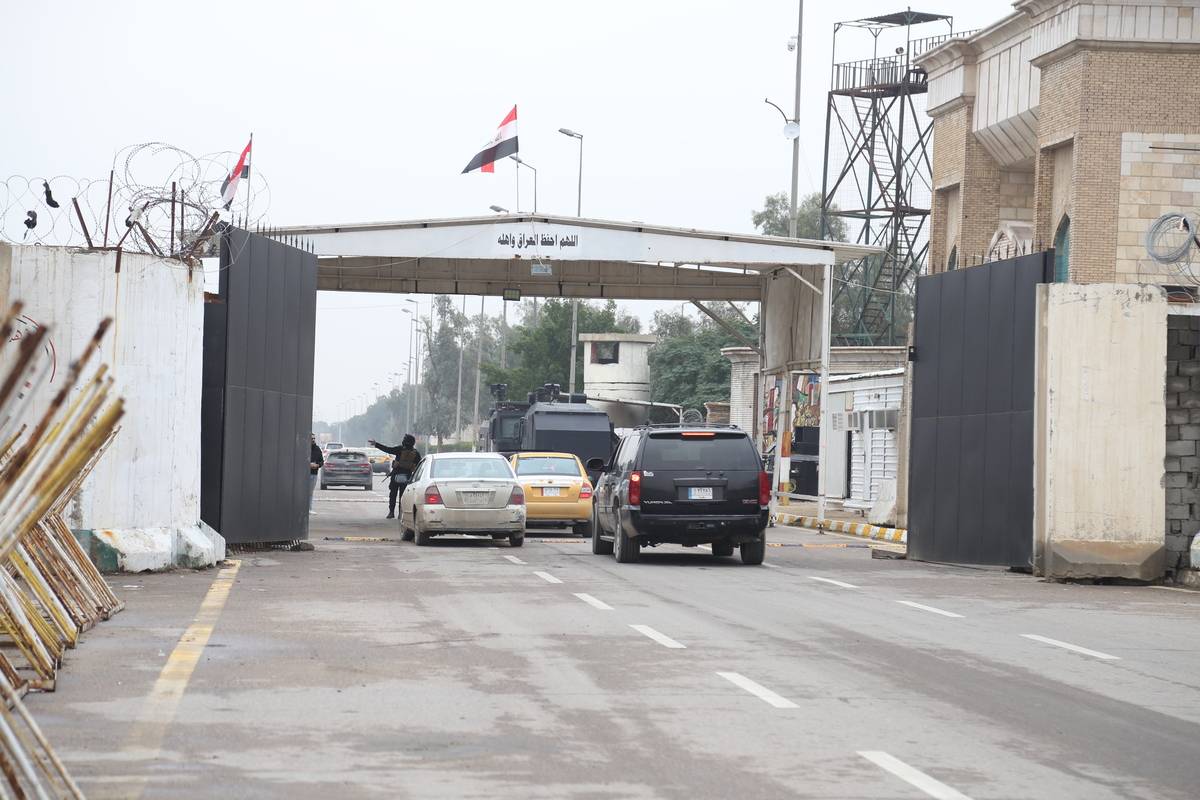
The Green Zone was designed to be a bubble. It has high concrete T-walls, multiple checkpoints, and the best surveillance money can buy. But drones have changed the math. You don't need to crash a gate when you can fly a cheap, explosive-laden quadcopter over a wall.
Iraq’s Prime Minister, Mohammed Shia al-Sudani, has called these "terrorist attacks" and ordered a massive manhunt. But the reality is messy. Many of these militia groups are technically part of the Iraqi state’s security apparatus through the Popular Mobilization Forces (PMF). It's a house divided against itself. One arm of the government is trying to protect the diplomats, while another arm (or at least its rogue elements) is likely the one firing the rockets.
What This Means for You
If you’re a traveler, a contractor, or someone with family in the region, the "wait and see" approach is over. The U.S. State Department has already issued a Level 4 "Do Not Travel" advisory for a reason. They’ve even ordered non-emergency personnel to pack their bags.
This isn't just about politics; it’s about the fact that Baghdad International Airport is now a frequent target for drone strikes. When the airport becomes a battlefield, your exit strategy vanishes.
The Economic Ripple Effect
It's not just the capital feeling the heat. Drones also targeted the Majnoon oil field in southern Iraq this week. Iraq’s economy lives and breathes through oil. If these groups start hitting energy infrastructure systematically, the price of gas in your neighborhood is going to jump, and the Iraqi government’s ability to pay its own police will crumble.
We’re looking at a situation where regional powers are using Iraqi soil to settle scores. The collateral damage? The Iraqi people who just want to go to work without a rocket landing in their backyard.
Immediate Steps to Take
Don't wait for the next set of sirens to decide your plan. If you have interests or personnel in Iraq, the window for a quiet exit is closing.
- Monitor the STEP Program: If you're a U.S. citizen, get on the Smart Traveler Enrollment Program immediately for real-time security alerts.
- Audit Your Security: "Fortified" zones are clearly porous. If your security plan relies on being "inside the walls," it’s time to rethink it.
- Watch the Airport: Flight cancellations are the first sign of a total lockdown. If the airport shuts down, the only way out is a very dangerous road trip to a border.
The situation in Baghdad is moving fast. We’ve seen more projectiles over the Green Zone in the last week than in the previous six months combined. It’s no longer a matter of if another strike happens, but how much damage the next one will do. Keep your head down and your bags packed.