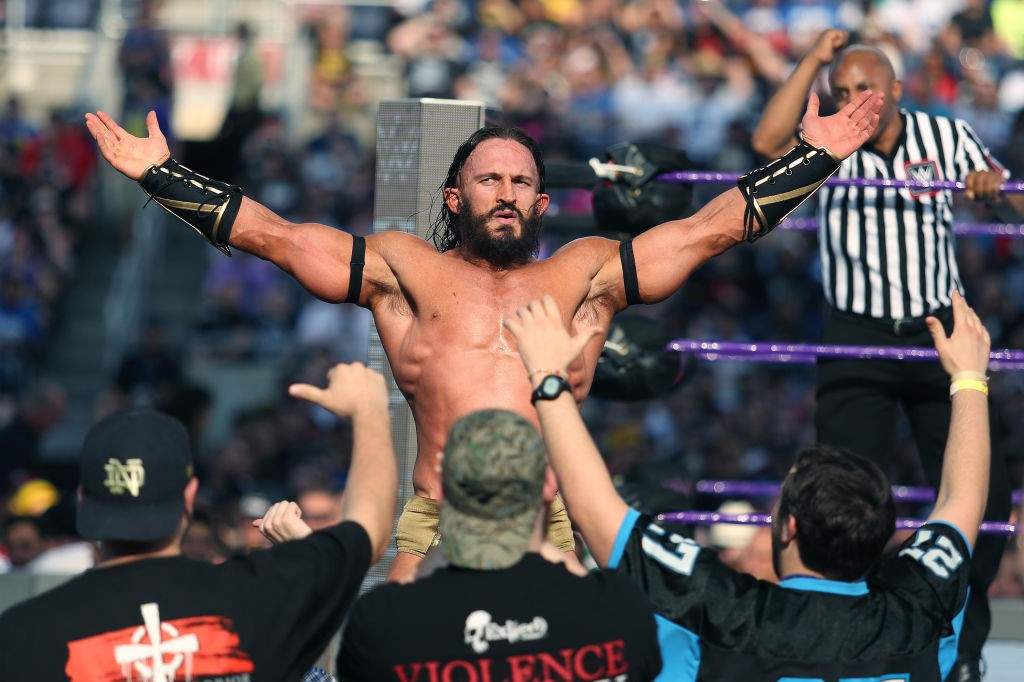
The modern professional wrestler operates at the intersection of high-risk biomechanics and serialized narrative delivery. Within this punishing industry, few performers achieved the precise technical calibration of Benjamin Satterley, globally recognized under the ring moniker Pac. His sudden passing at age forty in September 2026 brought a definitive halt to a career defined by an uncompromising physical standard. To evaluate Satterley’s trajectory is to examine the pure economics of physical expenditure, the engineering of aerial offense, and the structural vulnerabilities inherent to elite athletic performance within professional wrestling. Rather than viewing his career through conventional biographical sentimentality, a rigorous analysis requires deconstructing the operational mechanics that established him as a foundational architect of contemporary professional wrestling.
The Biomechanical Mechanics of Aerial Dominance
In professional wrestling, aerial maneuvers are frequently categorized by visual spectacle rather than physical cost. Satterley subverted this conventional framing by grounding high-flying offense in absolute kinematic precision. His signature maneuver, the Black Arrow—a corkscrew shooting star press executed from the top rope—represented an extreme calculation of rotational velocity, spatial awareness, and kinetic absorption upon impact.
Every aerial sequence introduces three distinct variables:
- Takeoff propulsion: The conversion of static lower-body power into vertical displacement off unyielding canvas-over-wood ring structures.
- In-air rotational management: The mid-flight conservation of angular momentum to ensure precise target acquisition while rotating across multiple axes.
- Deceleration and impact distribution: The dissipation of high-velocity kinetic energy across the recipient's body and the performer's own musculoskeletal framework.
For Satterley, standing at a billed height of five feet eight inches, maximizing vertical displacement required extraordinary explosive force from the quadriceps and calves. The mechanical efficiency of his execution minimized the margin for rotational error. While lesser performers relied on erratic momentum shifts, Satterley maintained strict aerodynamic control. This level of physical execution exacts a severe toll on the joints, particularly the knees, ankles, and lumbar spine. The human body is not engineered to absorb the repetitive trauma of high-impact rotational landings, creating an inevitable depreciation curve in an athlete's physical assets over a two-decade career.
The Strategic Evolution Across Global Promotions
Satterley’s career path followed a distinct geographic and structural trajectory, transitioning from regional British promotions to the rigorous training grounds of European independents, through the hyper-fast pacing of Japanese junior heavyweight wrestling, into the corporate hierarchy of World Wrestling Entertainment, and finally culminating in the creative autonomy of All Elite Wrestling. Each organizational shift tested different facets of his professional capabilities.
During his tenure in Dragon Gate, Satterley operated within an environment characterized by blinding speed, complex tag-team sequences, and strict adherence to athletic excellence over verbal exposition. This environment shaped his foundational work ethic and conditioning standards. The Japanese independent circuit demands a high-frequency output of high-risk maneuvers, forcing athletes to build extraordinary cardiovascular endurance and precise timing mechanisms.
Upon transitioning to World Wrestling Entertainment under the ring name Neville, Satterley encountered a fundamentally different operational framework. WWE's developmental territory, NXT, provided a platform to refine character work and match pacing within a televised format. His 287-day reign as NXT Champion demonstrated his capacity to anchor a brand through in-ring performance rather than traditional microphone work. Later, his integration into the main roster and subsequent adoption of the Cruiserweight Championship persona—the self-appointed King of the Cruiserweights—showcased a tactical pivot toward heel psychology. By weaponizing his physical superiority against division peers, he extracted maximum narrative value from a previously undervalued roster segment.
The friction point in his WWE tenure arose from structural limitations imposed on creative expression and booking trajectories. In professional wrestling, talent optimization relies on matching an athlete's peak output capabilities with appropriate narrative positioning. When creative stagnation occurred, Satterley executed a calculated departure, demonstrating the professional bargaining power available to elite performers who retain distinct marketplace value outside monopolistic corporate structures.
The Industrial Foundation of All Elite Wrestling
The launch of All Elite Wrestling in 2019 provided Satterley with an operational environment tailored to his athletic profile. Re-emerging as "The Bastard," he immediately established himself at the upper tier of the promotion by defeating Kenny Omega at the inaugural All Out pay-per-view event. This positioning validated his status as a top-tier singles competitor who required zero transitional build to establish main-event credibility.
His time in AEW was characterized by structural versatility. He functioned effectively across multiple configurations:
- High-intensity singles matches: Exhibited through grueling contests against opponents like Orange Cassidy and Andrade el Idolo, where pacing and technical psychology superseded pure aerial spectacle.
- Factional integration and tag-team warfare: Operating within Death Triangle alongside Penta and Rey Fenix, where he balanced hybrid striking with high-speed tag-team matrix execution.
- Heavyweight stable integration: Participating in the Death Riders faction alongside Jon Moxley, proving his adaptability to a more visceral, striking-heavy brawling style as his career matured into its fourth decade.
This multi-faceted capability made him a vital utility asset for promotion bookers. He could be inserted into any division—world championship contention, mid-card title matrices, or tag-team hierarchies—and instantly elevate the perceived competitive stakes of the match.
The Physiology of Attrition and Labor Risk
The physical demands of professional wrestling create an unyielding cost function. Unlike traditional sports with scheduled off-seasons, professional wrestling operates on a continuous operational calendar featuring weekly television tapings, live events, and international travel. This schedule prevents complete tissue recovery, forcing athletes to manage chronic inflammation and structural wear through rigorous physical therapy regimens and pharmaceutical intervention.
Satterley’s sudden death at age forty due to bronchial asthma highlights the stark medical vulnerabilities that exist behind the athletic veneer. While public discourse frequently focuses on musculoskeletal trauma, concussions, or cardiovascular stress induced by physical exertion, chronic respiratory conditions represent an entirely separate category of physiological risk. Asthma involves chronic airway inflammation and hyper-responsiveness, which can be severely exacerbated by intense physical exertion, environmental allergens in varying arena ventilation systems, and frequent altitude shifts associated with commercial air travel.
In high-performance athletics, respiratory efficiency dictates endurance capacity. An athlete operating with compromised airway function faces acute systemic stress during strenuous anaerobic output. The intersection of chronic respiratory illness and the grueling travel demands of professional wrestling produces a high-risk operational environment. When an athlete performs at peak intensity mere hours after international or cross-country transit, the physiological margins for error narrow significantly.
The Evolution of Ring Psychology and Character Architecture
Modern professional wrestling has undergone a structural shift away from traditional babyface-heel binaries toward nuanced, hybrid characters. Satterley mastered this transition by rejecting conventional fan-service tropes in favor of an unapologetic, intensely hostile persona. "The Bastard" character succeeded because it was anchored in authentic physical dominance rather than manufactured catchphrases.
Character sustainability in professional wrestling depends on behavioral consistency. Satterley minimized out-of-character media exposure, maintaining a strict boundary between his personal life and his on-screen persona. This mystique preserved the believability of his villainous status. In an era where social media frequently strips away performer kayfabe, Satterley’s guarded public presence reinforced the gravity of his in-ring aggression.
Furthermore, his matches were constructed around logical cause-and-effect sequences. Rather than executing high-flying maneuvers for cheap crowd reactions, Satterley integrated his aerial offense into a targeted offensive strategy. If he targeted an opponent's back or neck, his subsequent aerial attacks were explicitly designed to compound that specific anatomical weakness. This adherence to internal match logic elevated his bouts from athletic exhibitions to compelling athletic contests.
The Systemic Impact of Peak-Capacity Attrition
The loss of an elite performer at the height of their functional capabilities forces an industry-wide reassessment of athlete welfare, medical screening protocols, and workload governance. Professional wrestling has historically operated on a culture of stoicism, where performers routinely conceal physical ailments to maintain booking security and television presence.
This cultural norm creates severe systemic vulnerabilities. When organizations rely on self-reporting for medical clearance, underlying conditions—ranging from cardiovascular anomalies to severe respiratory inflammation—can go unmanaged until an acute crisis occurs. Modern sports science dictates proactive physiological monitoring, including routine pulmonary function testing, comprehensive cardiac evaluations, and mandatory recovery windows following strenuous athletic output.
The operational cadence of All Elite Wrestling and other major promotions must reconcile the commercial necessity of weekly live television with the biological limitations of human athletes. Reducing travel friction, implementing standardized medical protocols independent of promotion pressures, and establishing transparent communication channels between performers and medical staff are essential adjustments for preserving athlete longevity.
Strategic Forecast for Industry Talent Management
The career and legacy of Benjamin Satterley serve as a definitive case study in elite athletic optimization within a high-risk entertainment medium. He demonstrated that sustained relevance does not require constant reinvention, but rather the flawless execution of core competencies combined with tactical adaptability.
Moving forward, the industry faces a dual imperative: maintaining the high-impact, fast-paced athletic style demanded by contemporary audiences while constructing a protective operational framework that mitigates terminal health risks. Promotions that successfully institutionalize advanced sports science, rigorous medical screening, and intelligent workload distribution will attract and retain top-tier talent. Those that cling to outdated models of unmitigated physical expenditure will face escalating attrition rates.
Satterley’s absence leaves a structural void in the upper echelons of professional wrestling. His technical precision, refusal to compromise his in-ring standards, and ability to elevate every competitor who stepped into the ring with him establish a benchmark for future generations of athletes. The ultimate tribute to his legacy is not passive remembrance, but a permanent structural evolution in how the industry safeguards the physical well-being of the performers who drive its economic engine.