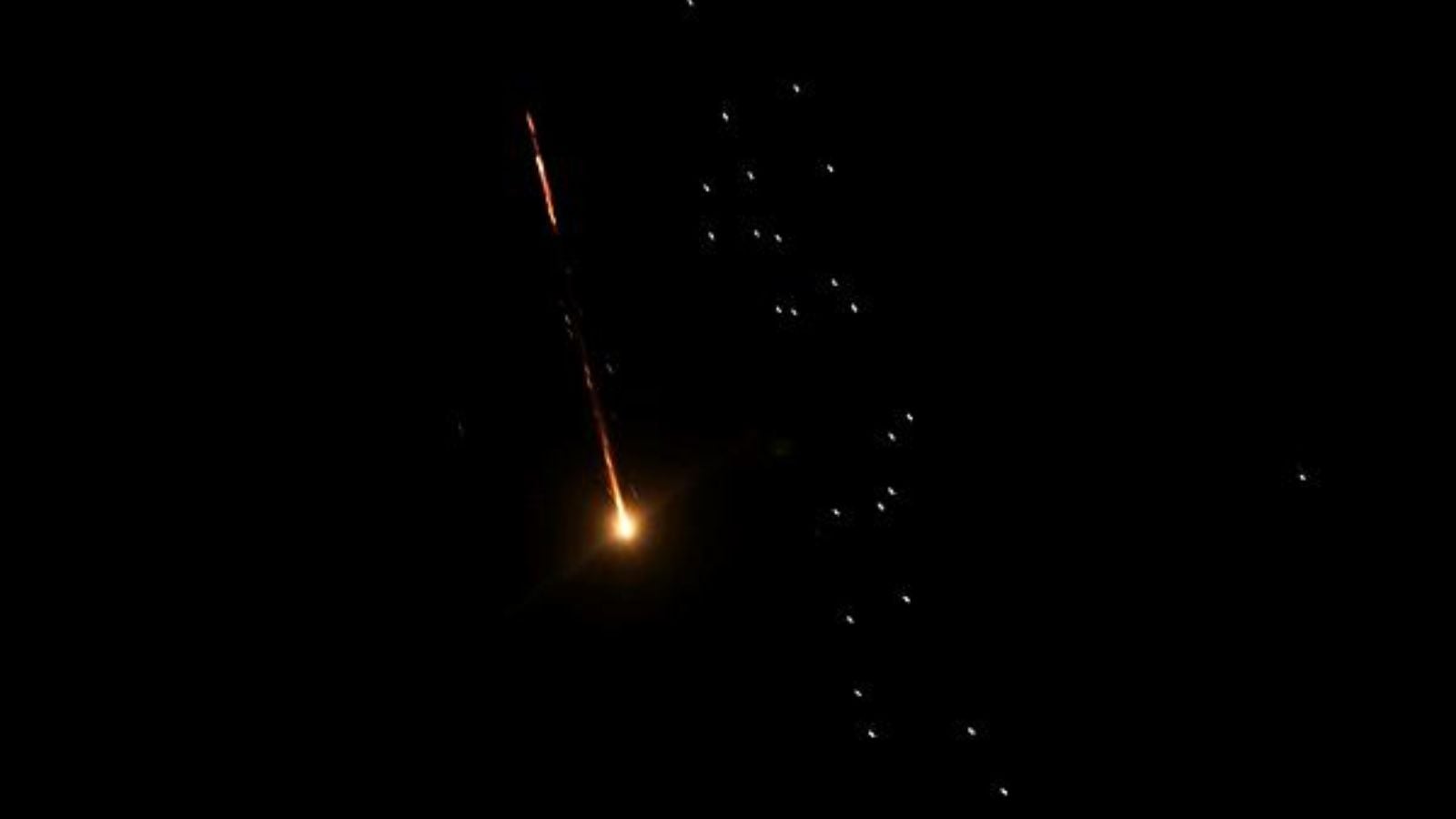
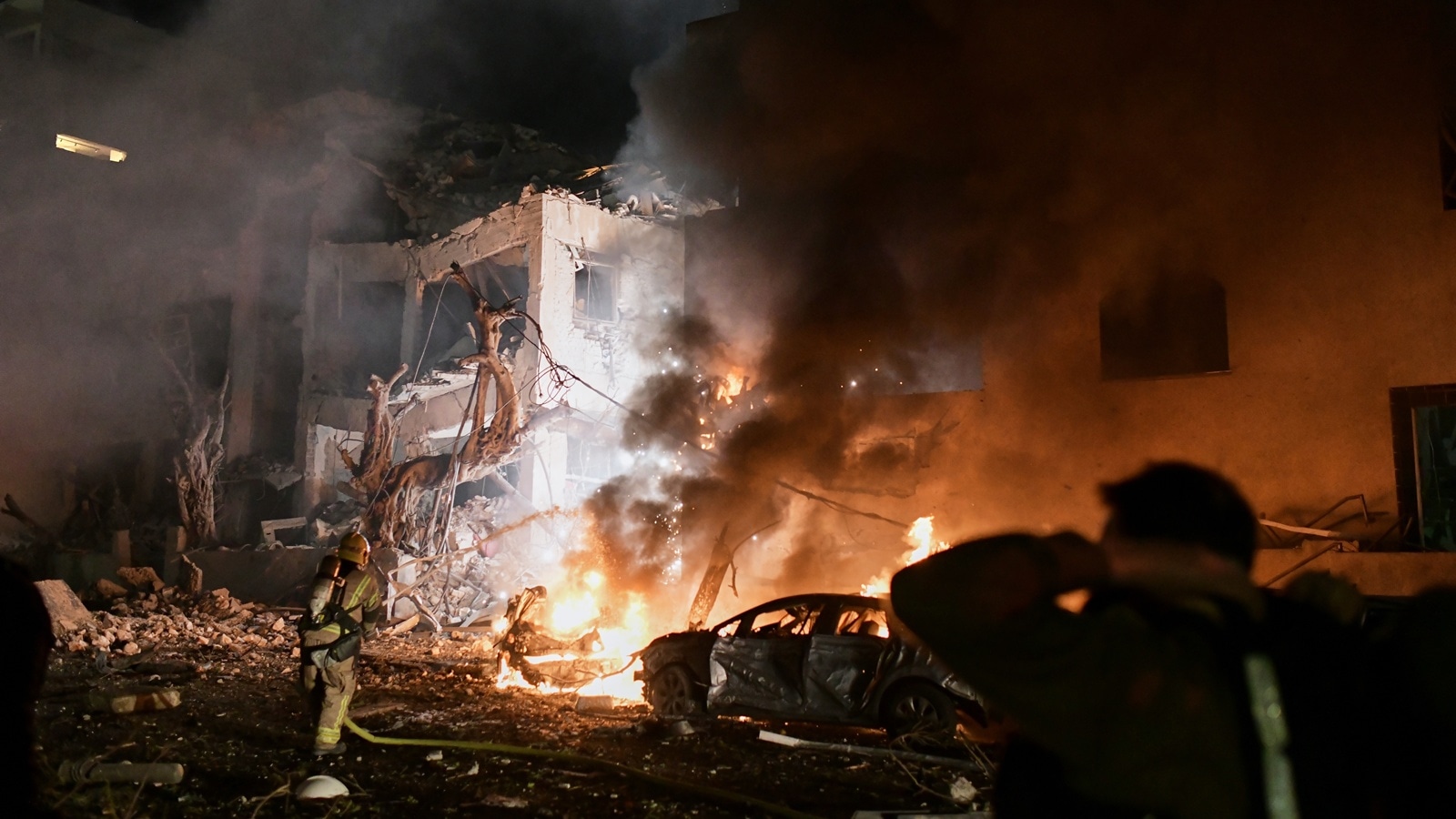
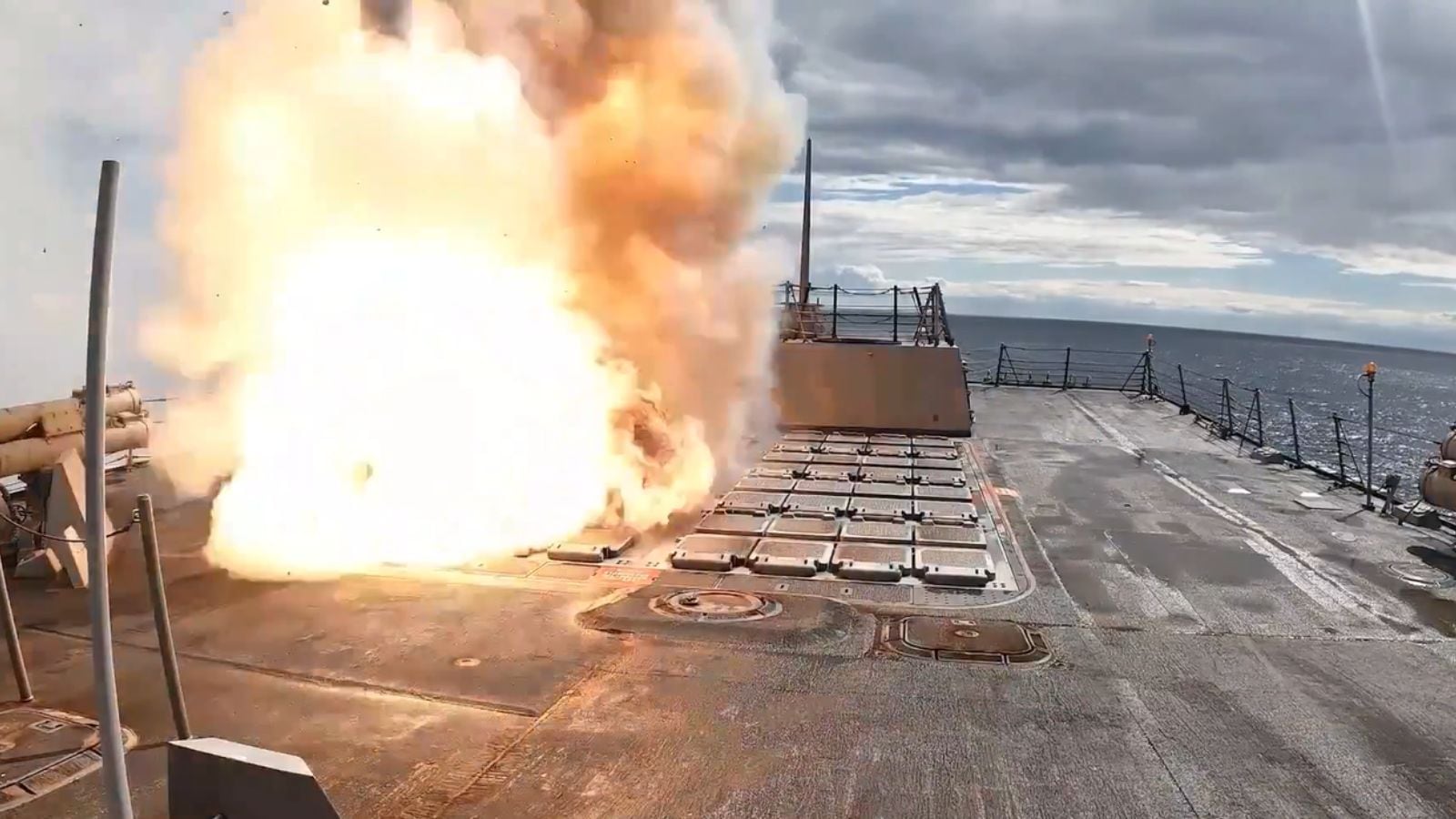
The radar screen does not show a missile. It shows a ghost.
On a quiet Tuesday in a darkened command center, a young technician watches a flickering green blip. To the uninitiated, it is data. To those who understand the physics of modern warfare, that blip represents a liquid-fueled engine screaming toward the stratosphere, carrying enough high explosives to turn a city block into a memory.
We have spent decades perfecting the art of catching bullets with other bullets. We call it missile defense. It is an engineering marvel, a feat of mathematics that feels like magic. But there is a fundamental flaw in the logic of the interceptor. If you are waiting to see the launch flash on a satellite feed, you have already lost the most important battle.
General Frank McKenzie, the man who once held the leash on every American operation in the Middle East, knows this tension better than anyone. He isn't interested in the spectacular mid-air collisions that make for great recruitment videos. He is interested in the moment before the button is pressed. Because in the cold reality of the 21st century, the only way to win a missile war is to ensure the missile never breathes fire in the first place.
The Physics of the First Ten Seconds
The world often views Iran’s missile program through the lens of a balance sheet. We count the airframes. We measure the range. We argue over the payload. But for a family living in the shadow of the Gulf’s desalination plants or the crowded streets of Tel Aviv, these aren't statistics. They are the variables of a survival equation.
When a ballistic missile leaves its TEL (Transporter Erector Launcher), it is at its most vulnerable. Yet, paradoxically, it is also at its most dangerous. Once it clears the initial plume of dust and fire, the clock starts ticking for every defense system in the region.
Intercepting a missile in its terminal phase—when it is screaming back down toward Earth at several times the speed of sound—is a nightmare of atmospheric friction and split-second calculations. Even a successful hit creates debris. Heavy metal rain falls on whatever lies beneath.
McKenzie’s argument is stripped of bureaucratic fluff: Why are we focusing so much energy on the catcher's mitt when we should be focused on the pitcher’s arm?
The "left-of-launch" strategy isn't just a military buzzword. It is a philosophy of prevention. It suggests that the most effective way to protect lives is to create a reality where the Iranian leadership decides that moving those launchers out of their mountain silos is a terminal mistake.
The Invisible Shield of Deterrence
Deterrence is a fragile, psychological thing. It exists only in the mind of your opponent.
Consider a hypothetical scenario—let’s call him Malek. Malek is a middle-ranking officer in a missile brigade. He is well-trained, highly motivated, and deeply aware of the power he commands. If Malek believes that the moment his crew begins the fueling sequence, a precision strike will neutralize his position, he hesitates.
That hesitation is where peace lives.
The problem we face today is that the "cost" of launching has become too abstract. If the only consequence of firing a salvo of drones or missiles is that half of them get shot down by a billion-dollar Patriot battery, the aggressor hasn't really lost. They have simply conducted an expensive live-fire exercise. They have drained the defender’s magazine.
To stop the launch, you must threaten the source. This requires a shift in how we distribute our hardware. It means moving away from purely reactive postures and toward a synchronized network that can see the fuel trucks moving, hear the radio chatter, and signal—with absolute clarity—that the launchpad itself is the primary target.
The Mathematics of Exhaustion
There is a grim irony in modern defense. An interceptor missile often costs three, four, or even ten times as much as the "dumb" rocket it is designed to destroy.
It is an economic war of attrition.
If Iran can manufacture hundreds of one-way attack drones for the price of a single high-end interceptor, they don't need to hit a target to win. They only need to make us go broke trying to defend it. We are trading gold for lead.
McKenzie’s priority on stopping the launch addresses this imbalance. By prioritizing the destruction of the infrastructure—the factories, the storage depots, and the command nodes—we stop fighting the symptoms and start treating the disease.
The human cost of this shift is heavy. It requires a level of political will that is often absent in peacetime. It means acknowledging that "defense" sometimes looks like "offense." It means telling the public that we cannot simply hide behind a technological dome and hope for the best.
The Ghost in the Machine
We often talk about these systems as if they are sentient. We speak of "the Aegis system" or "the Iron Dome" as if they are gods watching over us.
They are not. They are collections of sensors operated by exhausted twenty-somethings who haven't slept in fourteen hours.
The mental toll of missile defense is a hidden variable. Imagine the pressure of knowing that a single missed pixel on a screen could mean the deaths of thousands. When we rely solely on interception, we place an impossible burden on the shoulders of these operators. We ask them to be perfect, every time, forever.
The aggressor only has to be lucky once.
By shifting the priority to stopping the launch, we change the pressure dynamic. We move the burden of fear back across the border. We make the person holding the remote control wonder if they are about to become the epicenter of a counter-strike.
The Silent Border
I remember standing near a border outpost, looking out over a landscape that seemed utterly still. It was beautiful. The sun was dipping below the horizon, painting the rocks in shades of violet and gold. It felt like the safest place on Earth.
But I knew that just over that ridge, there were sensors humming. There were satellites overhead tracking heat signatures. There were people in underground bunkers looking at maps of that very same sunset, calculating how many seconds it would take for a missile to cross the distance.
That stillness is an illusion maintained by a terrifying amount of effort.
The "priority" McKenzie speaks of isn't just about military procurement. It's about preserving that illusion for the millions of people who just want to go to work, feed their children, and sleep without wondering if the air sirens will wail at 3:00 AM.
We have become addicted to the spectacle of the intercept—the bright flash in the night sky that signals a "win." But the true win is a dark sky. The true win is a missile that stays bolted to its trailer because the person in charge knows that the moment it moves, the game is over.
We are entering an era where the speed of war is outstripping the speed of human thought. In this world, the only safe missile is the one that never leaves the ground. Everything else is just a prayer shouted into the wind, hoping our math is better than their luck.
The radar screen remains blank. For now, the ghost is gone. The technician exhales, the green light casting a faint glow on a wedding ring and a cup of cold coffee. This is the victory we should be fighting for—the silence of a weapon that was never fired.