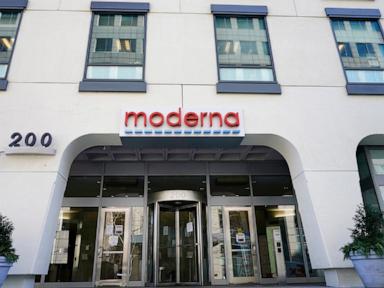
The regulatory clearance of Moderna’s mFLUSIVA (mRNA-1010) by the United States Food and Drug Administration marks the introduction of the first messenger RNA-based seasonal influenza vaccine. Authorized for individuals aged fifty and older, this regulatory milestone alters the competitive dynamics of the multi-billion-dollar global respiratory vaccine market. Beneath the headline announcement lies a complex sequence of trial design negotiations, tiered approval pathways, and platform diversification strategies engineered to offset declining revenues from legacy products.
The Dual Regulatory Pathway Structure
The FDA partitioned the approval of mFLUSIVA into two distinct regulatory mechanisms based on age stratification. Adults aged fifty to sixty-four received traditional approval, supported by comprehensive data from a Phase 3 trial comprising over forty thousand participants across eleven countries. Conversely, adults aged sixty-five and older were granted accelerated approval.
This distinction dictates the post-market operational requirements for the manufacturer:
- Traditional Approval Cohort (Ages 50-64): Granted based on established relative vaccine efficacy and safety endpoints compared against standard-dose active comparators. This tier permits immediate commercial distribution without mandatory follow-up trials for baseline efficacy.
- Accelerated Approval Cohort (Ages 65+): Authorized via surrogate immunological endpoints rather than direct clinical disease reduction. This mechanism requires Moderna to execute a mandatory Phase 4 post-marketing confirmatory study to validate clinical benefit in elderly populations, where immunosenescence typically degrades vaccine performance.
This bifurcated approach reflects a compromise between expediting public health access for vulnerable demographics and maintaining strict evidentiary standards for populations with high baseline morbidity.
The Trial Design Bottleneck and Agency Friction
The path to commercial authorization featured notable regulatory friction. Earlier in the evaluation cycle, the agency issued a refusal-to-file letter due to disputes over trial comparator selections. Regulators initially expressed a preference for high-dose or enhanced influenza comparators when testing populations aged sixty-five and older, whereas Moderna utilized a standard-dose active comparator in its primary trial design.
Resolution required a revised regulatory architecture. By restructuring the application to separate the adult cohort into traditional and accelerated tracks, alongside a commitment to supplementary data acquisition for the older demographic, the submission cleared the advisory committee with a unanimous positive vote before securing final clearance. This sequence highlights the shifting compliance parameters facing platform biopharmaceutical developers navigating novel delivery modalities under evolving agency leadership.
Commercial Timing and the Contracting Cycle Cost Function
Commercial viability for seasonal respiratory vaccines is governed by rigid institutional supply chains. Annual procurement decisions, municipal health system purchasing, and pharmacy benefit manager formulary placements are locked in months before the autumn delivery window.
Because the authorization arrived in August, the product missed the primary contracting and pre-booking cycle for the upcoming U.S. respiratory virus season. Consequently, market penetration for mFLUSIVA will experience a temporal lag. Meaningful revenue generation is constrained until subsequent procurement cycles allow the product to compete directly on formulary lists against entrenched egg-based and recombinant egg-independent vaccines.
Platform Diversification and Margin Mechanics
For the enterprise, securing this approval serves a dual strategic imperative: validating the underlying mRNA platform beyond COVID-19 applications and establishing a commercial foundation for upcoming combination products. As sales of legacy Spikevax formulations normalized following pandemic peaks, maintaining operational cash flow required expanding the commercial portfolio.
mFLUSIVA represents the fifth globally approved product and the fourth cleared by the FDA under the corporate umbrella. By proving that the lipid nanoparticle delivery system can encode hemagglutinin proteins for influenza with an acceptable reactogenicity profile, the organization de-risks the pipeline for subsequent respiratory assets, including multi-valent combination shots targeting influenza, SARS-CoV-2, and respiratory syncytial virus simultaneously.
Deploy capital toward building targeted real-world evidence registries for the accelerated sixty-five-plus demographic to satisfy Phase 4 commitments ahead of schedule, while prioritizing supply chain alignment to secure standard formulary positioning for the subsequent contracting window.