The suspension of Russian crude oil transit via the southern branch of the Druzhba pipeline in early 2026 has triggered a secondary crisis: the weaponization of downstream gas and electricity exports from Hungary to Ukraine. This is not a spontaneous diplomatic spat but a calculated application of energy leverage within a closed-loop transit system. By threatening to halt natural gas and electricity flows, the Orbán administration is attempting to reverse a "political blockade" on its primary oil supply through a strategy of symmetric escalation.
The current friction operates on the principle of reciprocal vulnerability. Hungary’s reliance on the Druzhba pipeline for its domestic refining capacity is matched by Ukraine’s reliance on Hungarian energy infrastructure for "reverse flow" gas and emergency power imports.
The Triad of Energy Interdependence
The conflict is structured around three distinct energy vectors, each with different technical constraints and strategic values:
The Oil Transit Bottleneck (Druzhba Pipeline)
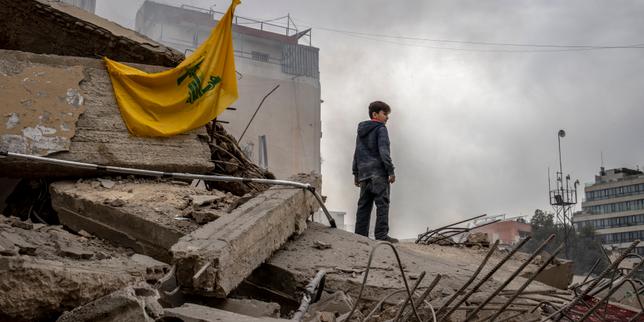
The disruption of Russian crude flows through Ukrainian territory on January 27, 2026, cited as force majeure by Kyiv following infrastructure damage near the Brody hub, eliminated Hungary’s primary source of low-cost feedstock for the Százhalombatta refinery. The "blockade" serves as the primary grievance, forcing Hungary to draw from strategic reserves and seek more expensive alternatives via the Adria (JANAF) pipeline from Croatia.The Reverse Gas Flow Mechanism
Ukraine’s gas security since 2015 has relied on "virtual" and "physical" reverse flows from EU neighbors to bypass direct Gazprom contracts. In 2025, Hungary accounted for approximately 45% of Ukraine’s total natural gas imports (2.9 billion cubic meters). The Hungarian route is the most cost-effective entry point for Ukraine compared to Polish or Slovak alternatives, which carry higher transit tariffs.The Synchronized Power Grid (ENTSO-E)
Following the synchronization of the Ukrainian power grid with the European Network of Transmission System Operators for Electricity (ENTSO-E), Hungary became a critical net exporter of electricity to Ukraine. In February 2026, Hungary provided 50% of Ukraine’s electricity imports. This flow is essential for stabilizing a Ukrainian grid severely degraded by persistent strikes on generation and transmission assets.
The Cost Function of Escalation
The threat to halt gas and electricity exports is a high-stakes gamble with diminishing returns. The feasibility of a total cutoff is limited by three structural barriers:
- The Private Trader Barrier: Unlike the state-to-state oil transit through Druzhba, gas imports into Ukraine are largely facilitated by private international traders. A government-mandated stoppage would require a "state of emergency" declaration to override existing commercial contracts, potentially exposing the Hungarian state to massive litigation and arbitration within EU legal frameworks.
- Infrastructure Elasticity: While Hungary is a primary gas source, Ukraine has diversified its import portfolio. In January 2026, Poland’s share of Ukrainian gas imports rose to over 50%, demonstrating that the Ukrainian system can pivot to alternative corridors if the price differential is bridged.
- Storage Buffers: Ukraine entered the 2025/2026 winter with gas reserves approximately 40% higher than the previous year. This storage depth provides a temporary shield against a Hungarian cutoff, reducing Orbán’s leverage during the critical heating season.
Tactical Reversals and Geopolitical Signaling
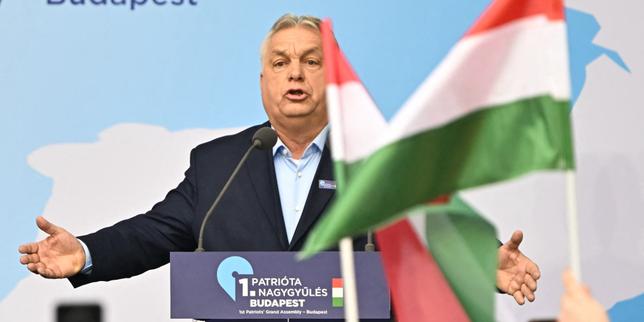
The timing of this energy ultimatum—coinciding with the lead-up to the April 12, 2026, Hungarian parliamentary elections—suggests the move is as much about domestic political consolidation as it is about energy security. By casting Ukraine as a threat to national stability ("state terrorism") and positioning himself as the defender of affordable fuel prices, Orbán utilizes energy policy to mobilize a nationalist base.
This strategy carries a significant risk of institutional blowback. The European Commission has signaled that a unilateral suspension of energy flows would violate EU internal market rules and the Energy Solidarity principle. Furthermore, the move to block a €90 billion EU loan to Kyiv until oil flows resume represents a maximalist position that further isolates Budapest within the European Council.
The Strategic Recommendation
The immediate path forward requires a shift from bilateral threats to a multilateral technical solution. The "Adria Alternative"—leveraging the JANAF pipeline from Croatia—is the only viable mid-term solution for Hungary to bypass the Ukrainian transit risk, though it requires significant upgrades to handling capacity and a shift in refinery configuration to process non-Urals blends.
For Ukraine, the Hungarian threat underscores the necessity of accelerating the decentralization of its energy grid and expanding its interconnection capacity with Poland and Romania. The reliance on a single neighbor for 50% of electricity imports creates a single point of failure that is increasingly being exploited for political concessions.
The energy war between Budapest and Kyiv is no longer a localized dispute; it is the final breakdown of the post-Soviet energy transit model. The era of landlocked states relying on legacy pipelines through conflict zones is ending, replaced by a more fragmented, more expensive, but ultimately more resilient network of maritime LNG and north-south corridors.
Would you like me to analyze the technical capacity of the Adria pipeline to see if it can fully replace Hungary's Druzhba-dependent oil volumes?