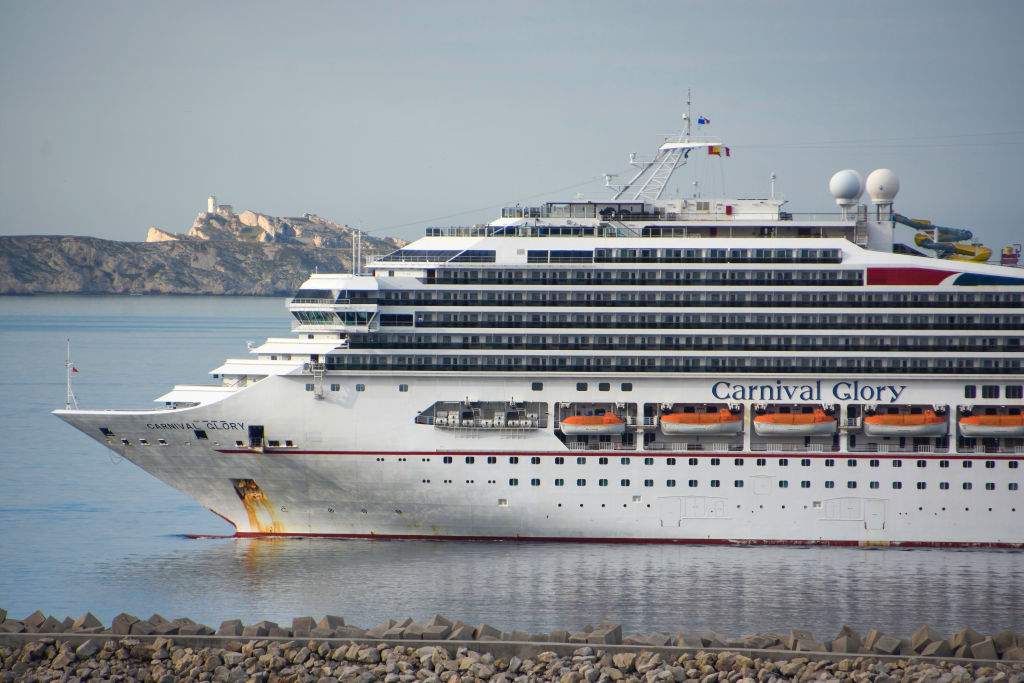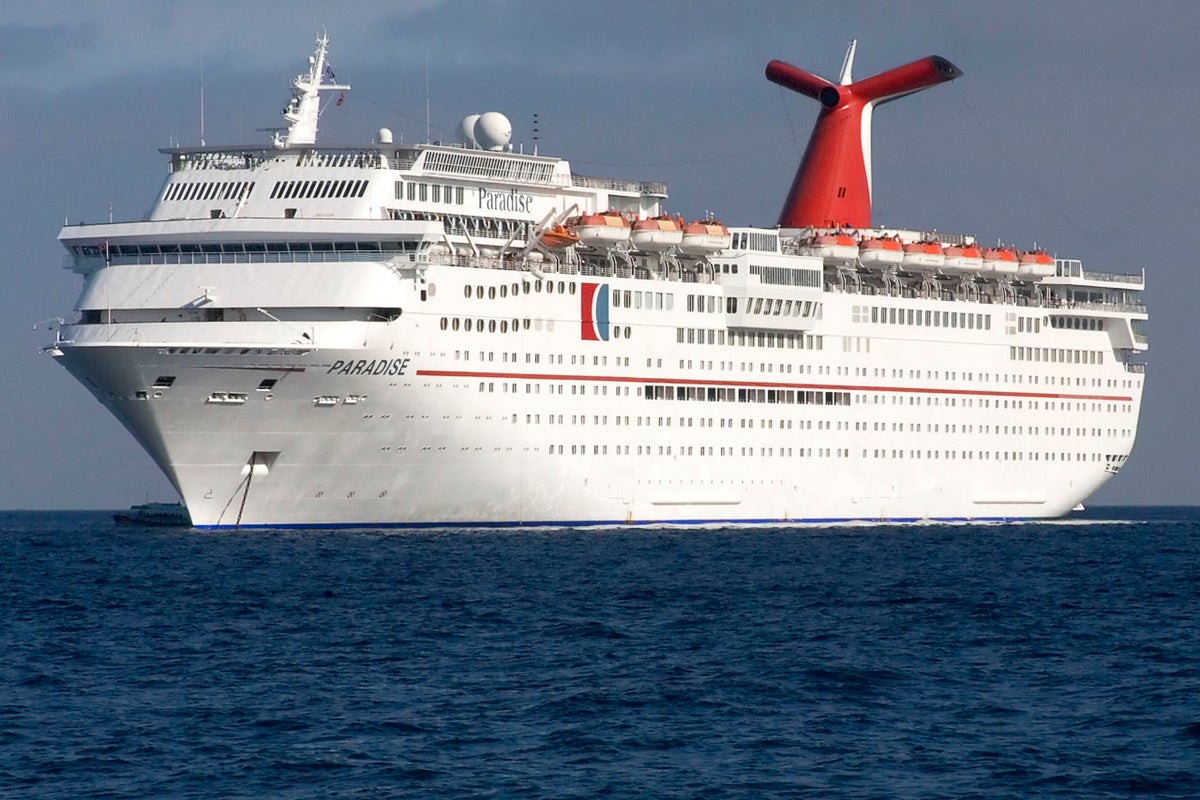
Maritime security incidents involving physical violence aboard commercial passenger vessels reveal systemic vulnerabilities in environmental monitoring, passenger behavior regulation, and spatial design. When an altercation escalates to severe physical trauma—such as the reported incident involving a Carnival Cruise Line passenger allegedly assaulting a companion down a stairwell—the event highlights the failure points within a closed-ecosystem hospitality model. Public reporting typically frames these occurrences as isolated behavioral anomalies driven by alcohol consumption. From an operational and risk management perspective, however, these incidents represent predictable system failures under specific stress variables. Deconstructing the mechanics of maritime violence requires examining the intersection of high-density leisure environments, psychoactive substance availability, and the legal ambiguities governing international waters.
The Operational Vector of Maritime Environments
Commercial cruise ships function as high-density floating municipalities operating under unique jurisdictional frameworks. Unlike land-based hospitality venues, where law enforcement response times are measured in minutes and spatial egress is virtually unlimited, a cruise ship constitutes a finite, isolated environment with restricted security footprints.
The physical architecture of a cruise ship creates specific behavioral bottlenecks. High-traffic thoroughfares, narrow stairwells, and confined cabin corridors concentrate large populations into restricted square footage. When alcohol is introduced as a primary economic driver for the cruise operator, the probability of impulse control failure increases predictably. Cruise lines generate significant revenue through beverage packages and onboard consumption, creating a structural incentive to maximize alcohol throughput while managing the downstream safety externalities through private security personnel.
Security operations on these vessels rely heavily on closed-circuit television monitoring and roving patrols rather than continuous physical intervention. Because security staff ratios to passenger counts are exceptionally low—often one security officer for every several hundred passengers—early-stage conflict identification depends almost entirely on passive observation or reports from surrounding patrons. By the time an escalation transitions from verbal dispute to physical trauma, the window for preventative intervention has closed, leaving security to manage post-incident containment and evidence preservation.
The Behavioral Cost Function of Controlled Substance Consumption
Alcohol consumption aboard cruise ships operates on a predictable economic and physiological curve. The accessibility of open-bar environments and relaxed vacation mentalities lower cognitive inhibition thresholds. When combined with sleep deprivation, thermal stress from tropical itineraries, and schedule disruptions, the baseline physiological state of the passenger cohort shifts toward irritability and reduced frustration tolerance.
The causal chain leading to severe physical violence involves three distinct phases:
- De-individuation: The anonymous, transient nature of a cruise environment reduces the social friction that normally discourages aggressive behavior in home communities. Passengers operate under the assumption that temporary misconduct carries minimal long-term social penalty.
- Escalation Acceleration: Confined spatial dynamics eliminate the cooling-off periods that occur during land-based disputes. Parties cannot easily walk away to separate environments when sharing a compact stateroom or confined deck space.
- Threshold Transgression: The transition from verbal antagonism to physical violence is often sudden, propelled by the lack of intermediate spatial barriers. Stairwells and corridors act as force multipliers for physical altercations, where a loss of balance or a targeted push results in catastrophic gravitational trauma.
Cruise operators manage this liability through strict contractual terms embedded in passage contracts. These agreements grant captains and security personnel broad discretion to disembark unruly passengers at the next port of call, place individuals in onboard holding facilities, or restrict movement. Yet, these measures are entirely reactive. They punish or remove the threat after the safety threshold has been breached, failing to address the structural incentives that encourage overconsumption.
Jurisdictional Complexity and Investigative Bottlenecks
When a violent crime occurs at sea, the legal response is complicated by international maritime law, flag state regulations, and the nationality of the victims and perpetrators. Jurisdiction depends heavily on the geographic location of the vessel at the time of the incident.
Under United States federal law, the Cruise Vessel Security and Safety Act mandates specific reporting standards for crimes committed on vessels embarking or disembarking in U.S. ports. Serious felonies—including aggravated assault, kidnapping, and sexual assault—must be reported directly to the Federal Bureau of Investigation and the United States Coast Guard. However, the initial collection of evidence, securing of the crime scene, and preservation of digital or physical artifacts fall upon shipboard security teams who rarely possess the forensic training of specialized municipal detectives.
This introduces severe operational friction into the judicial process:
- Chain of Custody Vulnerabilities: Shipboard security personnel act as first responders, yet their handling of physical evidence can be compromised by the need to restore normal vessel operations and clean public spaces rapidly.
- Witness Dispersion: Passengers disembark at various ports within days or hours of an incident, making follow-up interviews difficult for federal investigators once the ship docks.
- Surveillance Gaps: While public decks and corridors feature extensive camera coverage, staterooms and certain interior stairwells maintain blind spots due to privacy regulations and architectural limitations, frequently leaving prosecutors reliant on conflicting eyewitness testimony.
Systemic Reform and Risk Mitigation Strategies
Mitigating the baseline risk of violence within floating leisure environments requires moving past punitive post-incident protocols toward predictive environmental design and behavioral throttling.
Cruise operators must recalibrate their revenue models to decouple profitability from volume-based alcohol consumption. Implementing dynamic monitoring of individual purchasing patterns via onboard keycards could allow security systems to flag rapid, high-volume alcohol acquisition before behavioral collapse occurs. Furthermore, architectural retrofitting—such as enhanced lighting in stairwells, wider corridors to prevent bottlenecking, and increased density of passive acoustic sensors capable of detecting distress frequencies—would improve early detection capabilities.
Investment in specialized, law-enforcement-trained security cadres rather than general hospitality guards changes the efficacy of onboard interventions. Security teams equipped with de-escalation protocols tailored to confined maritime spaces can intercept domestic disputes during the verbal inflection phase, preventing the catastrophic escalations that routinely expose cruise lines to severe civil litigation and regulatory scrutiny.
The operational reality remains stark: as long as high-density environments maximize substance consumption while maintaining minimal physical barriers and reactive security staffing, severe interpersonal violence will remain a structural hazard of the cruise industry. Addressing this vulnerability requires engineering the environment to constrain human volatility rather than relying on post-crisis containment.