Structural Realities of Transnational Crime Architecture
Modern organized crime in the Iberian Peninsula operates less like traditional street syndicates and more like decentralized, highly agile logistics firms. When three individuals, including a pregnant woman, were killed in a suspected gang shooting in Spain, public discourse typically retreated to moral panic or superficial reporting on local law enforcement failures. This reactive baseline misses the underlying economic incentives, jurisdictional arbitrage, and supply chain mechanics that allow transnational cartels to treat southern Spain as a primary operational theater.
Understanding this violence requires stripping away sensationalism to examine the underlying mechanisms. Criminal organizations do not invest capital, corrupt institutions, or deploy lethal force without a calculated return on investment. The fatal escalation in Spain highlights a fundamental breakdown in risk mitigation, where territorial friction, asset protection, and supply chain vulnerabilities intersect with devastating kinetic outcomes.
The Economic Drivers of Iberian Logistics Hubs
Southern Spain functions as the primary maritime gateway for illicit commodities entering the European Union, most notably hashish and cocaine. This geographic advantage creates a high-margin business model built on proximity to North African production zones and access to European distribution corridors.
The economic model rests on three foundational variables:
- Throughput Volume: The sheer tonnage of product moving through coastal provinces like Málaga, Cádiz, and Almería requires predictable transshipment points, secure warehouses, and corruptible transport networks.
- Asset Liquidity: Illicit proceeds demand rapid laundering mechanisms, driving investment in real estate, front companies, and luxury assets along the Costa del Sol.
- Friction Costs: Law enforcement interdiction, asset seizures, and rival incursions represent operational expenses. When these friction costs rise, syndicates respond by either increasing operational security or deploying higher levels of targeted violence to protect market share.
When a multi-jurisdictional supply chain experiences a bottleneck—such as a major customs seizure, a compromised drop zone, or an informant within the network—the financial loss cascades rapidly. Syndicates lack access to standard civil courts or commercial arbitration to resolve contract disputes or theft within their ranks. Consequently, violence functions as the ultimate enforcement mechanism for broken illicit contracts and internal security breaches.
Jurisdictional Arbitrage and Operational Vulnerabilities
Law enforcement agencies operate within rigid geographic boundaries, national legal frameworks, and bureaucratic silos. Transnational syndicates face no such constraints. They engage in continuous jurisdictional arbitrage, shifting command nodes, staging areas, and financial assets across municipal, regional, and national borders to exploit enforcement blind spots.
A recurring structural vulnerability in Iberian anti-gang operations is the fragmentation of intelligence sharing between local municipal police, the Guardia Civil, the National Police, and international partners such as Europol. Criminal enterprises weaponize this administrative friction. A cell may launder capital in one province, store contraband in another, execute logistical operations in a third, and maintain safe houses across international borders.
The escalation to lethal violence against non-combatants or peripheral figures—such as the tragic death of the pregnant woman in the recent incident—typically signals one of two structural failures within a syndicate:
- Deterioration of Internal Discipline: When leadership loses the ability to execute precise, surgical enforcement actions against internal threats, operations become chaotic, expanding the collateral footprint.
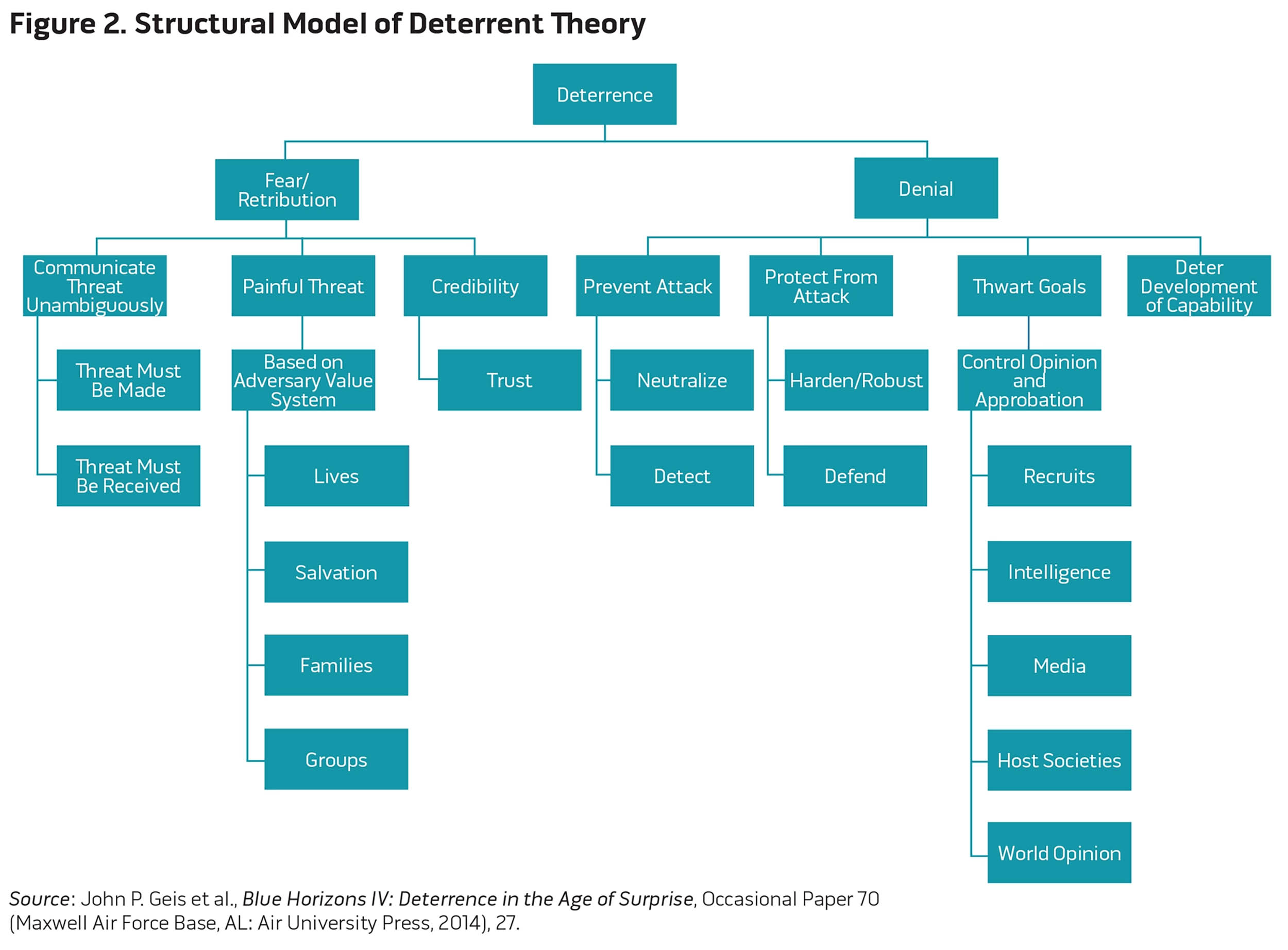
- Asymmetric Retaliation: As rival groups compete for control of high-yield maritime entry points, deterrence strategies shift from targeted elimination of key rivals to generalized intimidation, raising the cost of entry for competitors through indiscriminate displays of force.
Risk Assessment and the Cost of Collateral Damage
For criminal syndicates, collateral damage is rarely an emotional or ethical calculation; it is evaluated strictly through the lens of political and operational blowback. High-profile murders involving women, children, or bystanders trigger intense state responses, mobilizing specialized tactical units, increasing surveillance budgets, and drawing intense media scrutiny. These outcomes directly threaten the operational continuity of the broader criminal network by disrupting the quiet, low-profile environment necessary for continuous drug importation and money laundering.
Therefore, when a syndicate accepts the risk of high-profile violence, it indicates an acute internal crisis. The perceived threat of betrayal, asset loss, or total market displacement outweighs the anticipated cost of increased police attention. The perpetrators calculate that survival necessitates an immediate, disproportionate display of kinetic dominance, regardless of the operational fallout.
Strategic Interventions and Systemic Limitations
Law enforcement strategies deployed against these networks often focus on high-visibility asset seizures and the arrest of low-level operatives. While these actions generate short-term tactical wins, they fail to disrupt the underlying economic architecture of the syndicates. Low-level traffickers and speedboat pilots are easily replaced commodities within a vast, labor-rich illicit economy.
True disruption requires a systemic shift from reactive policing to financial dismantling. This entails targeting the professional enablers—corrupt customs officials, maritime mechanics, real estate brokers, and boutique financial institutions—who convert illicit proceeds into legitimate, working capital. Until the cost of institutional corruption and asset laundering exceeds the astronomical profit margins of the cross-border trade, kinetic flare-ups will remain an inevitable cost of doing business in Europe's most lucrative logistical corridor.
To dismantle these networks permanently, state actors must transition from treating syndicates as localized criminal gangs to treating them as sophisticated, distributed corporations. Intelligence operations must map financial flows rather than merely tracking physical shipments, targeting the liquidity that fuels the violence before the bullets ever leave the chamber.