A federal judge just drew a sharp, undeniable line between political rioting and planting live explosives.
Brian J. Cole Jr. thought he had a golden ticket out of a federal prison sentence. His lawyers argued that Donald Trump's sweeping, first-day executive clemency for January 6 rioters should cover him too. After all, the two pipe bombs found outside the Democratic National Committee and Republican National Committee headquarters were part of that same chaotic week in Washington, D.C.
U.S. District Judge Amir Ali shattered that legal strategy in a crisp three-page order.
The decision makes it clear that timing and the specific language of presidential decrees matter. Cole wasn't a rioter caught up in a crowd. He is a man accused of placing viable weapons of mass destruction near the heart of American democracy. And because of how the clock ran out on his freedom, Trump's mass pardon can't touch him.
The Fine Print That Crushed the Defense
When Donald Trump walked back into the White House on January 20, 2025, he wasted no time wiping away the largest criminal investigation in the history of the Department of Justice. His sweeping proclamation wiped clean the records of more than 1,500 people. It commuted sentences, wiped out pending indictments, and halted prosecutions for those who stormed the U.S. Capitol.
Cole's legal team, led by Mario Williams, looked at that massive act of clemency and saw an escape hatch. They argued Cole’s alleged actions were tied directly to the political anger of that day. They claimed his actions were bound to the events near the Capitol.
Judge Ali didn't buy it.
The legal reality comes down to grammar and timing. Trump’s proclamation specifically offered amnesty to individuals who had been convicted of offenses or faced pending charges related to the January 6 attack at the time it was signed.
Cole wasn't on that list. He couldn't be. The FBI didn't arrest him until December 2025, nearly a full year after Trump signed the blanket pardon.
You can't receive a pardon for a future or uncharged action under a blanket decree that specifically targets existing convictions and active indictments. Judge Ali noted that Cole had not been convicted of the conduct at issue when the president issued the pardon. The order stated plainly that he wasn't even charged until many months after the proclamation.
A Five-Year Mystery Ends in a December Confession
For nearly five years, the identity of the person in the gray hooded sweatshirt carrying a backpack through the streets of Washington remained one of the most frustrating blind spots for federal law enforcement. The FBI offered massive rewards. They analyzed security footage from multiple angles. They tracked cell phone data. Nothing clicked.
Then came late 2025.
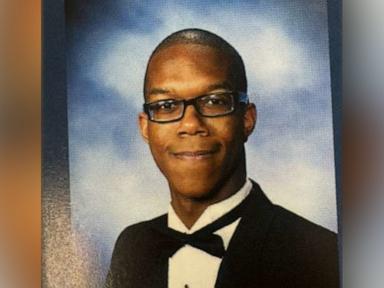
Investigators finally pieced together the digital and physical trail leading to Cole, a Virginia resident. When federal agents arrested him, the story began to unravel quickly.
According to prosecutors, Cole didn't stay quiet. He gave a detailed confession to the FBI after his arrest. He told agents he felt completely swallowed by conspiracy theories surrounding the 2020 presidential election. In his own words, something just snapped.
He drove to Washington on the night of January 5, 2021. He planted two functional pipe bombs. One sat in an alley behind the RNC. The other was placed near a park bench by the DNC.
Though the bombs never detonated, the FBI later confirmed they were fully viable. They contained explosive powder and kitchen timers. They were designed to cause real harm. Law enforcement discovered them on the afternoon of January 6, right as the chaos at the Capitol building began to peak. The discovery forced a massive diversion of police resources away from the Capitol doors at the worst possible moment.
The Severe Charges Cole Still Faces
Now that the pardon defense is dead, Cole faces the full weight of the federal justice system. The Department of Justice isn't treating this as a simple trespassing or disorderly conduct case. They loaded the indictment with heavy, high-stakes offenses.
The current charges include:
- Interstate transportation of explosives
- Malicious attempt to use explosives
- Attempt to use weapons of mass destruction
- An act of terrorism while armed
These aren't the types of charges that end with a slap on the wrist or probation. An attempt to use a weapon of mass destruction carries a maximum penalty of life in prison.
Cole has pleaded not guilty to all counts. His legal team tried to use his political motivation as a shield. They argued that because the government's own case connects his actions to the election protests, he should fit into the spirit of Trump's executive action.
The Justice Department fought back hard against that idea. Prosecutors argued that Trump’s pardons have zero bearing on this case. They pointed out that the executive branch agency responsible for managing pardons doesn't interpret the proclamation as a pass for domestic terrorism. Judge Ali agreed, giving weight to the Justice Department's narrow reading of the text.
What This Rulings Means for Future January 6 Arrests
This ruling sets a massive precedent for any remaining uncharged suspects from that era. The FBI is still hunting for hundreds of people who committed violent acts at or near the Capitol. If you haven't been caught yet, Trump's 2025 pardon isn't going to save you.
The ruling shows that a blanket pardon isn't a permanent force field against future prosecution. It's a snapshot in time. If the federal government uncovers your identity tomorrow for an action committed five years ago, you will stand trial.
It also highlights the distinct legal separation between the people who broke windows and fought police at the Capitol doors and someone who allegedly manufactured and planted live explosive devices. The courts are signaling that some actions cross a line where political context no longer offers cover.
Moving Toward a Trial
Cole is scheduled to return to court for a status conference. The legal team will have to shift away from constitutional arguments about executive clemency and focus on the evidence itself. They have a mountain to climb, given the phone records and the confession prosecutors hold.
If you are following the legal fallout of January 6, watch how this case progresses through the D.C. District Court. The defense will likely try to suppress the confession or challenge the phone record evidence. Track the public dockets for the upcoming status hearings to see how the defense pivots now that their primary escape route is gone. This trial will show exactly how the justice system handles the most extreme fringe of the 2021 election protests.