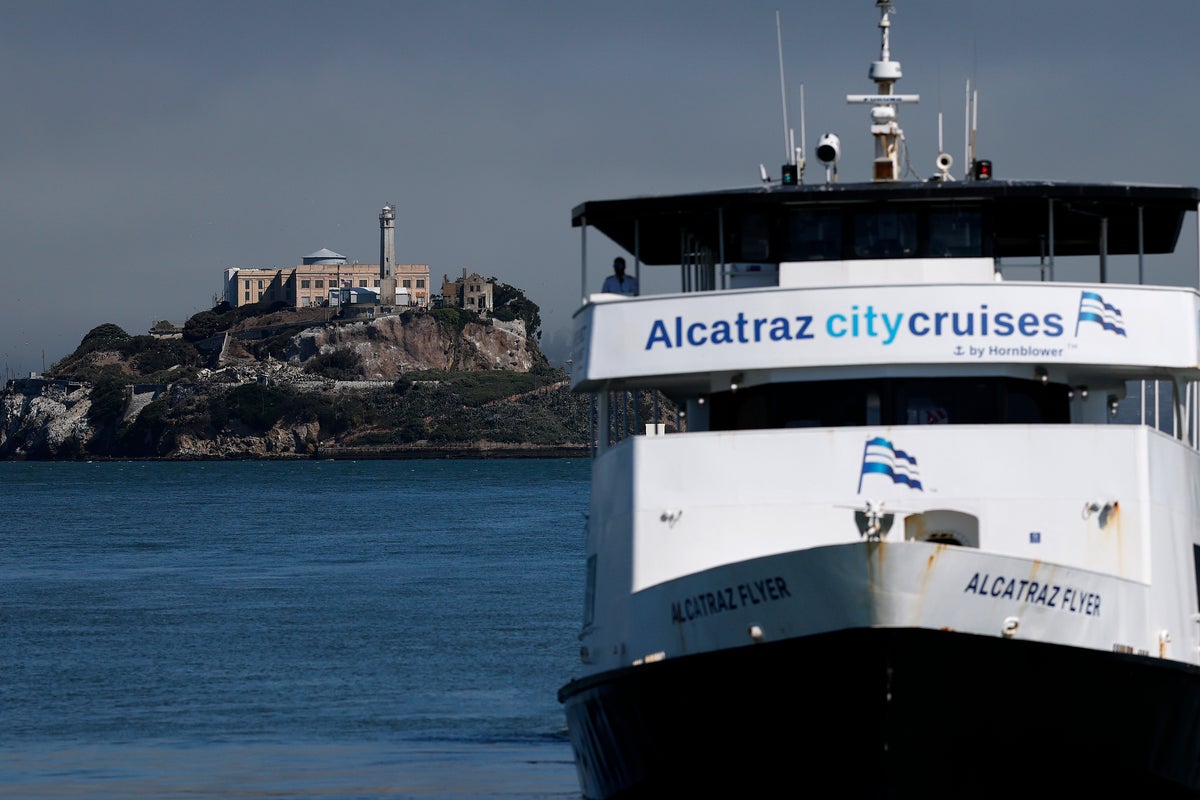
If you had tickets for a night tour of The Rock this week, I've got bad news. Alcatraz Island is officially dark. The National Park Service (NPS) hit the kill switch on all tourist ferry arrivals starting Monday, April 20, 2026. Every tour through Friday has been scrubbed, and the refund emails are already hitting inboxes.
The official line? The dock is falling apart. It’s an "emergency repair" job on the pilings to keep the single point of entry from sliding into the San Francisco Bay. But the timing is enough to make anyone do a double-take. This sudden shutdown landed just weeks after the White House sent a massive $152 million budget request to Congress with one goal: turning this crumbling tourist attraction back into a high-security federal prison. Meanwhile, you can read other events here: Magaluf is Not Your Bargain Basement Paradise and 87p Shots are Killing the Town.
The logic behind the $152 million prison plan
Let's be clear. Alcatraz hasn't held a real inmate since 1963. It was shut down back then for a very simple, very expensive reason. It costs a fortune to run a prison on a rock in the middle of a salt-water bay. Everything—and I mean everything—has to be shipped in. Water, food, fuel, and guards don't just appear. In its final years, it cost about $10 a day per inmate to keep the lights on at Alcatraz, while other federal pens were doing it for $3.
So why the sudden interest in 2026? The administration’s new 2027 budget proposal frames it as a solution for "vicious, violent, and repeat criminal offenders." The idea is to create a state-of-the-art facility that leans into the island's infamous "escape-proof" reputation. Critics, including Governor Gavin Newsom, have already called it a "colossally bad fiscal idea." Honestly, they aren't wrong about the math. Modernizing a 19th-century ruin to meet 21st-century human rights and security standards is a logistical nightmare that $152 million might only barely start to cover. To understand the full picture, check out the excellent report by Condé Nast Traveler.
Why the dock repair matters right now
You might think a five-day closure for dock work is just routine maintenance. Usually, it is. But the GGNRA (Golden Gate National Recreation Area) Superintendent David Smith hasn't been shy about the state of the island. He’s basically said the pier needs stabilization so it doesn't "fall off in the ocean."
While the park service insists this was a "pre-scheduled" event, the optics are wild. You have federal officials like Pam Bondi and Doug Burgum scouting the island last year, followed by a massive funding request, and now a sudden closure that prevents the public from seeing what's actually happening on the grounds. Whether it's just a coincidence or the first quiet step toward "rebuilding" is the question everyone in San Francisco is asking.
Is your trip ruined
If you’re standing at Pier 33 with a useless ticket, you're probably more annoyed by the logistics than the politics. The island is scheduled to reopen this Saturday, April 25. If you can't reschedule, here's what you actually do:
- Check your email: Alcatraz City Cruises is issuing automatic refunds for the April 20-24 window. If you haven't seen yours, check your spam.
- Pivot to the water: The "Bay Discovery" tours are still running. You won't step foot on the island, but you’ll get closer than anyone else this week.
- Try Fort Point: It’s free, it’s under the Golden Gate Bridge, and it has that same "cold, damp, 1800s military" vibe without the boat ride.
- The Saturday scramble: Tickets for the reopening day are already disappearing. If you want to be on that first boat back, you need to book the afternoon slots now.
The reality is that Alcatraz is a mess of salt-spray corrosion and aging concrete. Whether it remains a park or becomes the most expensive prison in the world again, the "Rock" is clearly reaching a breaking point. The government is finally admitting that you can't just let a landmark sit in the middle of a saltwater bay for sixty years without a massive bill eventually coming due.
Don't expect the political fight to end when the dock reopens on Saturday. This $152 million request is just the opening move in what's going to be a long, ugly battle over the future of the Bay Area's most famous landmark.