The PR Stunt Masquerading as Logistics
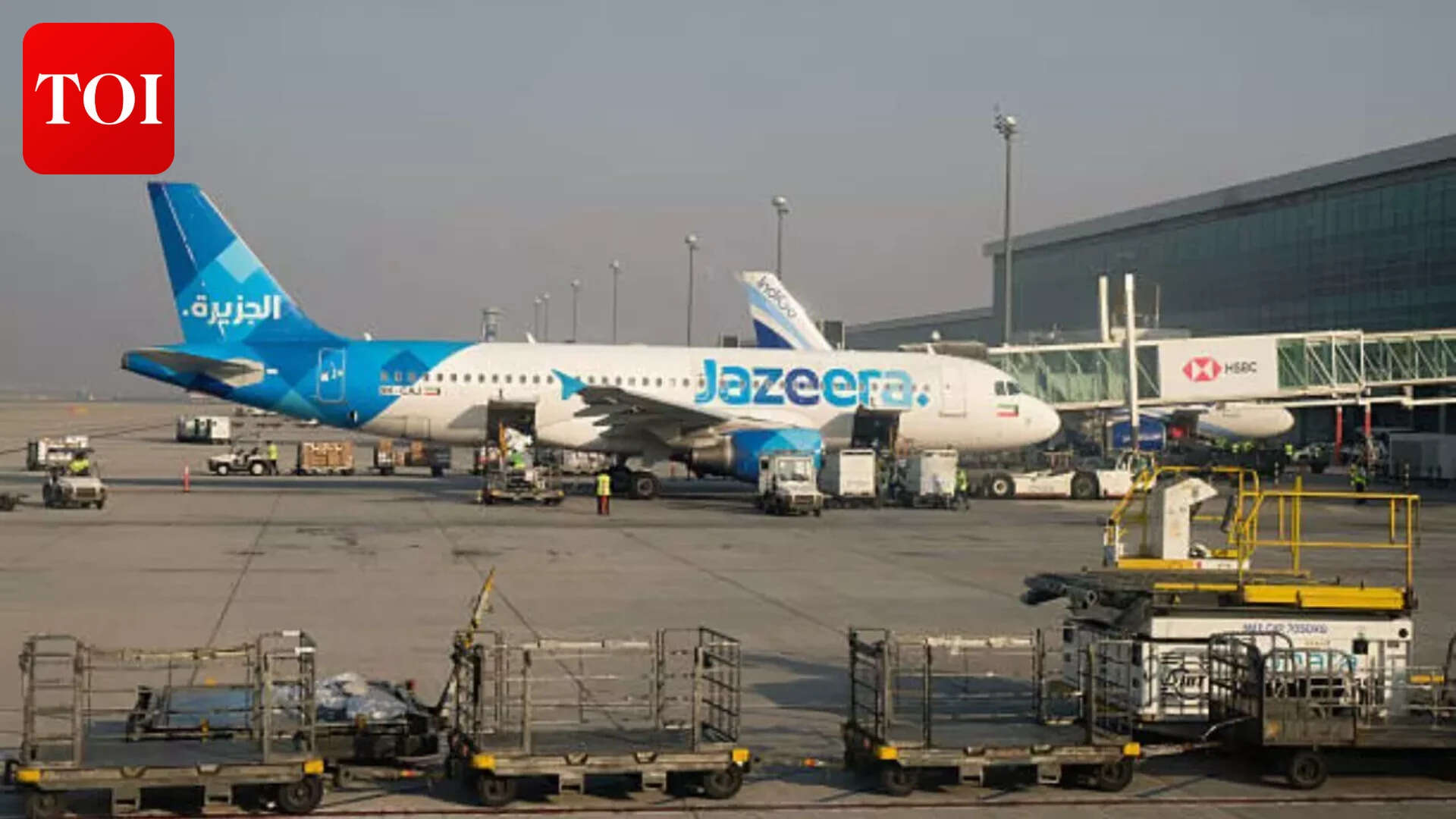
Jazeera Airways just flew 4.5 tonnes of Indian produce into Kuwait. The press release reads like a humanitarian epic. It paints a picture of a regional crisis averted by the heroic intervention of a budget carrier.
It is a lie. Not a factual lie—the plane certainly landed—but a systemic one.
When an airline "airlifts" basic produce to keep supermarkets stocked, they aren't solving a crisis. They are subsidizing a failure. Shipping 4,500 kilograms of fruits and vegetables on a narrow-body passenger jet is the most inefficient way to move calories ever devised by man. It is a logistical temper tantrum.
If your food security depends on the belly hold of an Airbus A320, you don't have a supply chain. You have a hostage situation.
The Math of Inefficiency
Let’s strip away the "crisis" branding and look at the physics.
A standard shipping container (TEU) can hold about 20 to 25 tonnes of cargo. A single mid-sized container ship carries 10,000 to 20,000 of those containers. When you move goods by sea, you are playing the game of scale. You are utilizing the most energy-efficient transport method in history.
Airfreight is the opposite. It is a high-velocity, high-cost emergency brake.
Moving 4.5 tonnes is a rounding error. To put this in perspective, Kuwait consumes thousands of tonnes of fresh produce every single week. A 4.5-tonne shipment provides roughly enough food to stock one medium-sized aisle in one supermarket for about forty-eight hours.
When an airline brags about this, they are asking for applause for putting a Band-Aid on a gunshot wound. Worse, they are conditioning the market to accept "emergency" as the new "normal."
The Carbon Debt
We need to talk about the cost per calorie.
- Sea Freight: ~$0.01 to $0.05 per kilogram.
- Air Freight: ~$1.50 to $4.00 per kilogram (depending on fuel surcharges).
When you fly onions and okra from India to the Gulf, the carbon footprint of that produce increases by roughly 5,000%. This isn't just an environmental critique; it’s an economic one. You are burning expensive Jet A-1 fuel to transport water-heavy vegetables.
I’ve spent fifteen years watching procurement teams panic during regional "crises." They always do the same thing. They ditch their long-term sea-freight contracts, pay 10x the rate for air cargo, and then pass that cost directly to the consumer. Then, they call it "heroism."
It’s not heroism. It’s a tax on poor planning.
The Myth of "Regional Crisis" Stocks
The competitor’s narrative suggests that Kuwaiti supermarkets were on the verge of empty shelves. This is the "lazy consensus" of modern journalism. It assumes that if a border closes or a shipping lane is disrupted for three days, we must immediately take to the skies.
The Reality of Buffer Stocks
Every mature economy maintains strategic reserves. If a nation’s food security is so fragile that 4.5 tonnes of Indian produce is the difference between "stocked" and "starving," that nation has already lost.
The real "crisis" isn't a lack of planes. It’s the decay of local agricultural tech and the over-reliance on "Just-in-Time" (JIT) delivery models. JIT works for iPhones. It doesn't work for basic survival.
When Jazeera Airways steps in, they are actually preventing the market from correcting itself. They are delaying the necessary, painful shift toward more resilient, land-based or sea-based trade routes that don't rely on the whims of aviation fuel prices.
Why You Are Asking the Wrong Question
Most people ask: "How can we get more planes to fly in food?"
The correct question is: "Why is our infrastructure so brittle that we need planes at all?"
Imagine a scenario where a desert nation invests the millions spent on emergency airfreight into vertical farming or high-tech hydroponics.
- Year 1: High capital expenditure, low yield.
- Year 5: Total immunity to regional shipping "crises."
Instead, we choose the dopamine hit of a "rescue flight." It looks better on LinkedIn. It makes for a great "feel-good" story in the local paper. But it leaves the underlying rot untouched.
The Hidden Victim: The Indian Farmer
There is a dark side to these "airlifts" that no one discusses: the distortion of the source market.
When an airline decides to prioritize 4.5 tonnes of produce for an "emergency" shipment, they are cherry-picking the highest-value goods for the wealthiest buyers. This creates a price spike at the source.
The Indian exporter sees the Kuwaiti "emergency" price and diverts stock away from local or regional markets that can't compete with "airlift" budgets. This is how a logistics "solution" in one country creates a food-price "problem" in another.
I’ve seen this play out in East Africa and Southeast Asia. The "heroic" intervention of a foreign carrier often results in local vendors being priced out of their own harvests because an airline needed a PR win.
Stop Romanticizing Supply Chain Failures
We have developed a fetish for "crisis management."
In the corporate world, the person who "saves the day" by spending $100,000 on an emergency flight gets a promotion. The person who spent two years building a boring, redundant, sea-based supply chain that didn't break in the first place is ignored.
Logistics should be boring.
If it’s exciting, it’s broken. If it involves "airlifts," it’s a disaster.
The Jazeera Airways story is a symptom of a world that values the appearance of action over the reality of stability. If we want actual food security, we need to stop cheering for planes and start demanding better ports, better cold-chain storage, and better regional diplomacy.
The Professional’s Guide to Ignoring the Hype
If you are a logistics professional or a retail buyer, don't look at this headline and think, "We need an airline partner."
Think: "Why did their primary plan fail so catastrophically?"
- Audit your redundancy. If you don't have three distinct modes of transport (Sea, Land, Air) with pre-negotiated rates, you don't have a plan.
- Verify the 'Crisis.' Most "crises" are actually 72-hour delays. The cost of waiting 72 hours is usually lower than the cost of an emergency airlift.
- Kill the PR budget. If you have money to film a plane being loaded with tomatoes, you have money to invest in a better warehouse management system.
The Final Calculation
Let’s be brutally honest. This wasn't about the produce.
4.5 tonnes is a tiny fraction of the capacity of a single Boeing 777 Freighter, let alone a ship. This was a marketing campaign masquerading as a logistics operation.
Jazeera Airways used the produce as a prop to demonstrate "regional commitment." The supermarkets used it as a prop to show they "care about availability." And the consumer pays for the entire theatrical production through higher prices and a more fragile, air-dependent future.
True supply chain resilience isn't found in the sky. It’s found in the dirt, the docks, and the dull, repetitive work of building systems that don't require "airlifts" to function.
Next time you see a plane full of peppers, don't applaud. Ask who forgot to book the boat.
Build a system that doesn't need heroes.