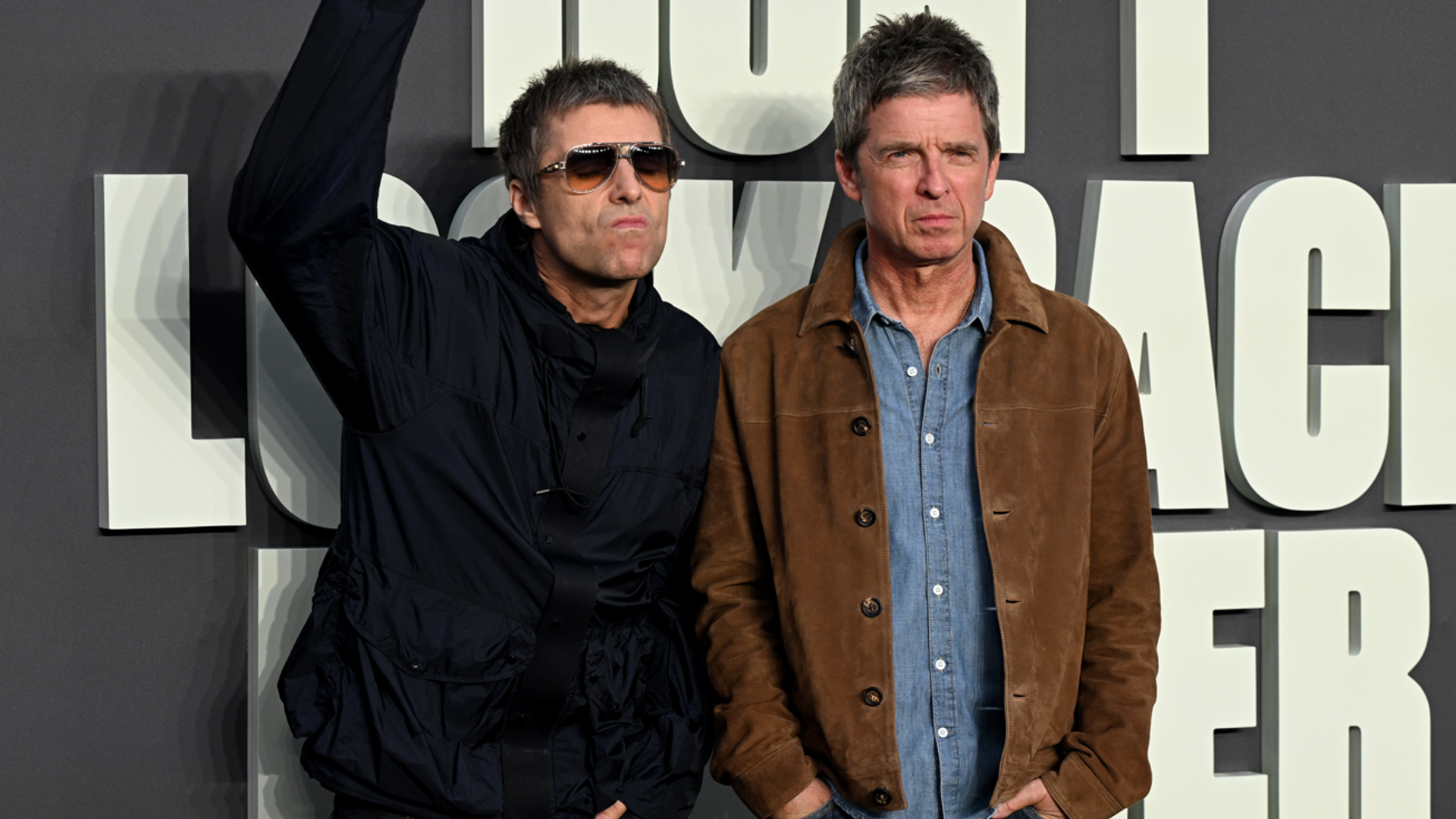
The lazy consensus across the music press is that every time Liam and Noel Gallagher drop another batch of stadium dates, it is a pure victory for rock and roll. When the announcement hit that extra nights were being crammed into Knebworth, Rome, and Munich for the 2027 run, the media immediately fell back on the same tired script. We were fed lines about "phenomenal demand", unstoppable working-class nostalgia, and a triumphant cultural reset.
It is time to drop the rose-tinted bucket hats and look at the actual math.
Adding shows to an already bloated reunion circuit is not a sign of cultural vitality. It is a symptom of an industry that treats scarcity like an artificial manufacturing plant, squeezing every last drop out of a brand before the nostalgia evaporates. When bands treat massive historical sites like assembly lines, the magic stops being a spontaneous rock phenomenon and starts looking like corporate logistics with a tambourine.
The Myth of Infinite Demand
We are told that millions of people queuing up for tickets represents an unquenchable thirst for Britpop poetry. That is an economic illusion. What we are actually looking at is a textbook case of artificially restricted supply meeting speculative market frenzy.
When primary ticketing markets fail to clear at market-clearing prices from day one, they create an immediate vacuum. Secondary brokers, bots, and casual speculators smell blood in the water. By drip-feeding extra dates—six nights at Knebworth here, a string of stadium extensions there—management isn't solving a supply problem. They are stoking the fire of scarcity while simultaneously hedging their bets against long-term brand exhaustion.
If you double down on saturation, you dilute the product. The 1996 Knebworth shows mattered because they were a singular cultural flashpoint. Playing a six-night residency at a sacred site turns a legendary milestone into a corporate residency package.
The Economics of Exhaustion
Let us look at the financial architecture behind these mega-tours. Economic impact reports love to throw around figures like a billion pounds generated for regional economies, pointing to hotels in Manchester and pubs in Glasgow. But zoom out from the localized micro-boost and look at consumer surplus.
Fans are not just spending on tickets; they are absorbing inflated travel, hospitality, and merchandise costs under the psychological duress of a once-in-a-lifetime narrative. When promoters respond to outcry over high pricing and chaotic queues by simply adding more dates to the calendar, they shift the burden entirely back onto the consumer's wallet. It is an exhaustion loop masquerading as fan service.
Furthermore, fixing standard prices at higher tiers while expanding capacity globally does not democratize access; it simply widens the net for a standardized middle-aged demographic with disposable income, locking out the actual youth culture that rock and roll is supposed to feed on. A stadium full of forty-somethings reliving 1995 isn't a revival; it's a heritage museum with a beer tent.
What Real Artistry Looks Like
True cultural weight requires knowing when to walk away. The most punk-rock thing the Gallaghers could have done after the initial 2025 triumph was to let the myth breathe. Instead, the machine demanded a 2027 encore, complete with international stadium legs and endless extensions.
Stop pretending that tacking on extra nights to satisfy logistics sheets is an artistic triumph. It is just business. And business, much like a poorly tuned guitar feedback loop, eventually starts to grate on the ears.


