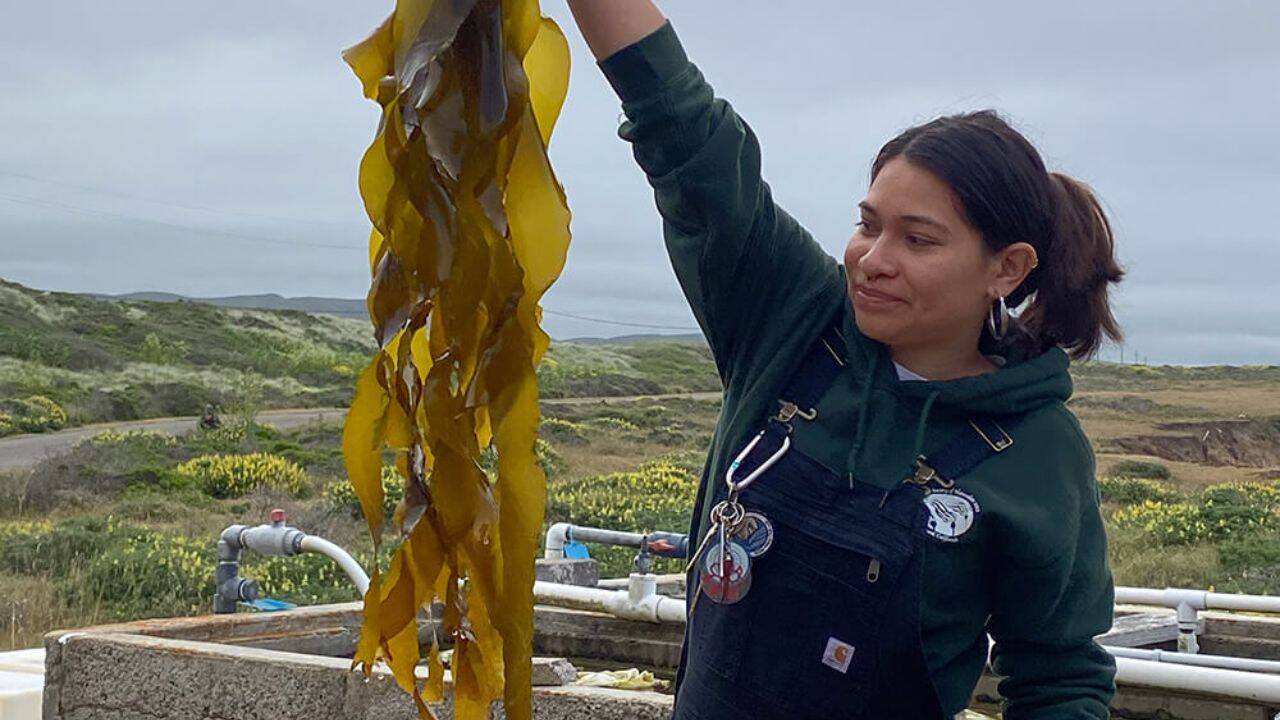
The headlines coming out of California marine laboratories sound like an ecological industrial triumph. Researchers breeding bull kelp spores at densities of 74,000 per millilitre inside controlled tanks and outplanting the juvenile algae onto ocean reefs. It is an arresting metric, clean and quantifiable, offering a neat narrative of human ingenuity turning the tide against marine degradation. Yet anyone who has spent time watching underwater ecosystems unravel knows that petri-dish precision rarely survives contact with a chaotic, warming ocean.
For decades, the underwater forests of the Pacific coast functioned as the temperate equivalent of coral reefs. These dense canopies of Nereocystis luetkeana—commonly known as bull kelp—stretched dozens of feet from the rocky ocean floor to the surface, creating structural habitats for countless species of fish, invertebrates, and marine mammals. Then came