The conference room likely smelled of expensive roast coffee and the distinct, ozone-heavy scent of high-end air purifiers. In San Jose, the air is thin with the weight of digital legacies. On one side of an invisible line stood eBay, the grandfather of the internet auction, a titan that had successfully transitioned from a garage-sale experiment into a global logistics engine. On the other, the specter of GameStop—a company that had spent the last few years oscillating between a nostalgic strip-mall relic and a volatile weapon of the meme-stock revolution.
Between them sat a figure: fifty-six billion dollars.
It is a number so large it ceases to be money and becomes a landscape. You could build cities with that amount. You could fix national infrastructures. Or, if you are GameStop, you could try to buy the very platform that helped facilitate your own slow, agonizing displacement from the physical world.
eBay said no.
They didn't just say no; they effectively closed the door and turned the deadbolt before the ink on the proposal could even smudge. To understand why a business would walk away from a $56-billion payday, you have to look past the spreadsheets and into the marrow of what these companies actually are.
The Collector and the Corpse
Picture a collector. We’ll call him Elias. Elias lives in a cramped apartment in Ohio, surrounded by the plastic geometry of the 1990s—sealed copies of chrono trigger, pristine GameBoy colors, and cardboard boxes that smell like childhood. For twenty years, Elias has used eBay as his umbilical cord to the past. It is where he finds the rare, the obscure, and the forgotten.
Now, imagine Elias walking into a GameStop in a dying mall. The fluorescent lights hum with a depressing frequency. The shelves are packed with "Funko Pops" and used copies of last year’s sports titles. The clerk looks like he’s counting the minutes until his soul can legally leave his body.
This is the fundamental disconnect. GameStop is a physical footprint struggling to survive in a digital vacuum. eBay is the vacuum itself.
The proposed takeover wasn’t a merger of equals. It was an attempt by the physical world to swallow the digital world in a desperate bid for relevance. GameStop, fueled by the strange, unpredictable adrenaline of its retail investor base, saw an opportunity to pivot. They didn't want to just sell games; they wanted to own the marketplace where games—and everything else—are traded.
But eBay’s board looked at the offer and saw a different story. They saw a company whose core business model was being eaten by digital downloads. They saw a brand that had become a volatile symbol of market chaos. Most importantly, they saw a cultural mismatch that no amount of capital could bridge.
The Mechanics of a Refusal
Money is often the loudest voice in the room, but it isn’t the only one. When GameStop tabled the $56-billion offer, it was a premium that would make most shareholders salivate. Yet, the rejection was swift. To find the reason, we have to look at the structural integrity of the two empires.
eBay has spent a decade shedding its skin. It spun off PayPal. It sold off ticket-giant StubHub. It narrowed its focus to being the world’s "trusted" marketplace, leaning heavily into authentication services for sneakers, watches, and, ironically, trading cards. It is a company that thrives on the fluidity of the internet.
GameStop is heavy. It is made of bricks, mortar, and long-term leases.
Integrating GameStop into eBay would be like trying to install a massive, antique steam engine into a sleek electric vehicle. The weight alone would shatter the axles. The logistics of managing thousands of retail storefronts is a nightmare that eBay’s leadership has spent years trying to avoid. They want data, fees, and shipping labels. They do not want to worry about whether a store in a suburb of Des Moines is hitting its quarterly "PowerUp Pro" sales goals.
Consider the math behind the hubris. GameStop’s market cap has historically been a fraction of this $56-billion figure, only spiking during the fever dreams of WallStreetBets. To offer such a sum required a level of debt-leveraging or stock-valuation gymnastics that felt more like a "Short Squeeze" fever dream than a sober business strategy.
The rejection wasn't just about the price. It was a judgment on the currency. eBay wasn't convinced that GameStop’s future was a bankable asset.
The Human Toll of the Pivot
Behind every corporate "no" are thousands of people whose lives would have been upended by a "yes."
Think of the regional managers, the store clerks, and the warehouse workers. In a world where GameStop successfully bought eBay, the first thing to go would be the "redundancies." That is a corporate euphemism for the human beings whose jobs exist in the overlap. A merger of this scale doesn't create growth; it creates a "leaner" entity. It carves out the middle.
There is a specific kind of anxiety that comes with working for a company that is constantly trying to reinvent its own shadow. GameStop employees have lived through the pivot to mobile phones, the pivot to "tech centers," and the pivot to NFTs. Every new strategy is a fresh layer of paint on a crumbling wall.
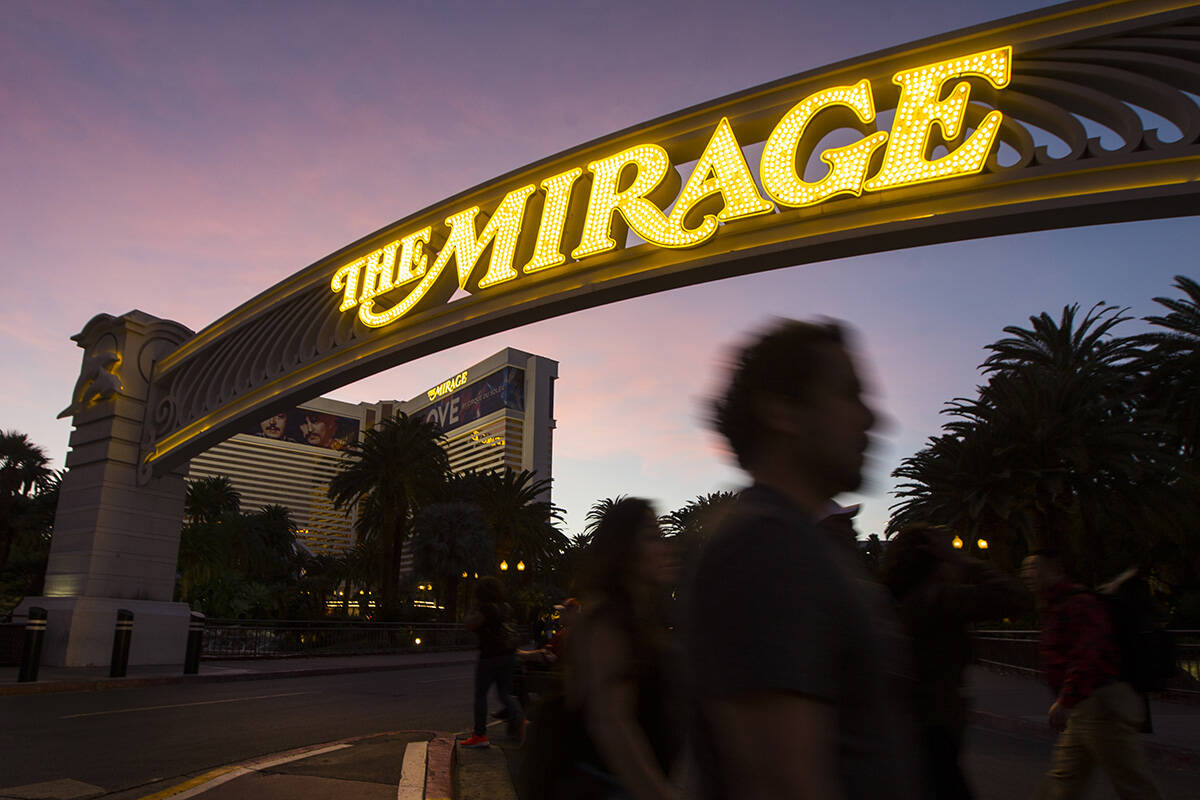
eBay’s refusal offered a strange, cold comfort. It signaled that, for now, the status quo remains. The "mirage" of a $56-billion gaming-commerce empire vanished, leaving the retail stores exactly where they were: waiting for the next big release to justify their existence.
But there is a darker side to the rejection. By saying no, eBay effectively signaled that they do not see GameStop as a viable partner in the future of commerce. It was a vote of no confidence that echoed through the trading floors. If the world’s premiere marketplace doesn't want your $56 billion, what is your company actually worth?
The Ghost in the Machine
The internet is a graveyard of companies that thought they were too big to fail. We remember the names like incantations: Blockbuster, Borders, Circuit City. They all shared a common DNA with GameStop—a reliance on the physical act of "going somewhere" to get something that can now be delivered in bits and bytes.
GameStop’s bid for eBay was a ghost trying to find a body to inhabit. It was a brilliant, if terrifying, move. If you can’t beat the platform that is killing you, buy it. It is the ultimate survival tactic.
The failure of the deal leaves GameStop in a precarious position. They are a company with a lot of cash, a lot of attention, but no clear destination. They are the protagonist in a story that has reached its final chapter, desperately trying to write a sequel in the margins.
eBay, meanwhile, continues its slow, steady march toward total automation. They don't need stores. They don't need the "human touch" of a clerk asking if you want to pre-order the next Call of Duty. They need an algorithm that can predict what Elias in Ohio will want to buy three minutes before he knows he wants it.
The stakes here weren't just about a merger. They were about the definition of value in the 21st century. Is value found in the physical presence of a brand, or is it found in the invisible infrastructure of the exchange?
eBay chose the invisible.
The decision marks a point of no return. We are moving toward a world where the "marketplace" is no longer a place at all. It is a series of interconnected nodes, a frictionless stream of transactions where the physical object is almost an afterthought to the data it generates.
GameStop’s $56 billion was an attempt to buy back into that future. It was a high-stakes gamble by a player who knew their chips were losing value every second the clock ticked. When the dealer at the eBay table waved them away, it wasn't just a business decision. It was a eulogy.
Elias still browses for his games on his phone while sitting in the parking lot of a GameStop. He looks through the window at the stacks of plastic cases, then looks down at the bidding war happening on his screen. He clicks "Place Bid."
The store behind him stays quiet. The lights hum. The ghost remains in the machine, and the $56 billion stays in the vault, a monument to a deal that was too big to be real and too desperate to be ignored.