Disasters rarely come in isolation. Just when rescue workers thought things couldn't get more complicated along the Himalayan border, another jolt rocked the region.
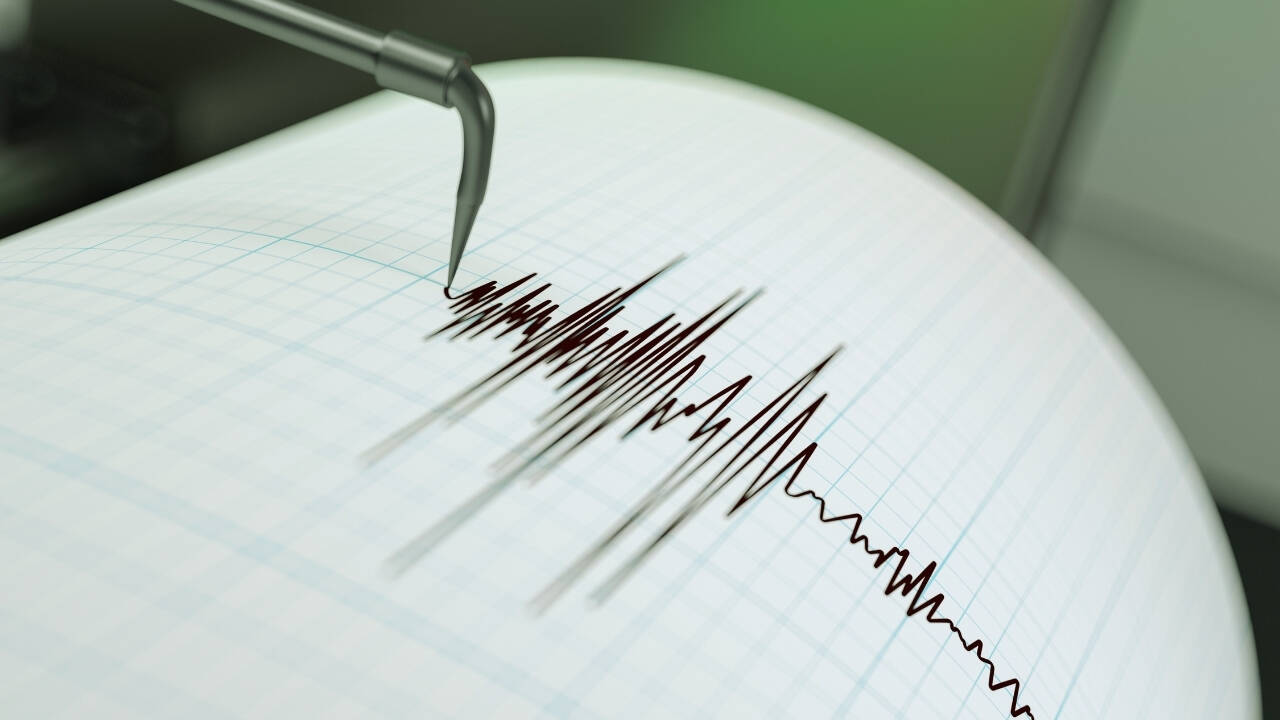
A 5.3-magnitude earthquake struck Tibet at a depth of 35 kilometers, according to the European-Mediterranean Seismological Centre. Tremors rippled across the border into Nepal, terrifying residents who are still sleeping outdoors and desperately searching for loved ones. This isn't just an isolated tectonic event. It is happening less than two weeks after catastrophic flash floods tore through the Nepal-Tibet border, leaving a death toll that has climbed past 1,400 people, with thousands still missing.
If you are wondering why this specific 5.3-magnitude quake matters so much right now, you have to look at the fragility of the landscape. The ground is already saturated, unstable, and battered.
Piling Tragedy on Top of Tragedy
The timing couldn't be worse. On August 26, a massive ice-rock avalanche and glacier collapse near the border unleashed a wall of water and debris down the Bhotekoshi and Trishuli river valleys. Entire settlements, bridges, and roads vanished in minutes. Hydropower projects were smashed, trapping workers underground.
Nepal's disaster management authorities reported that the flooding death toll reached 1,357, with over 5,300 people still unaccounted for. Across the border in Chinese state media reports, at least 43 people died in Tibet and over 500 remained missing.
Now, with a 5.3-magnitude quake hitting the region followed by other recent tremors, fear of secondary disasters has spiked. Landslides are a constant threat. When tectonic activity shakes mountains that have already been compromised by massive erosion and glacial loss, loose earth and rock give way easily.
The Geological Nightmare of the Himalayas
Tectonics and climate change are colliding in the Himalayas. Scientists monitoring the Qinghai-Tibet plateau point out that thousands of glaciers in the region are under severe stress from rising temperatures. Tibet alone hosts roughly 33,000 glaciers, with hundreds classified as high-risk.
When a mountain shakes, fractured ice and destabilized rock faces can shear off without warning. The August disaster itself generated seismic signals as massive blocks of ice collapsed. Now, actual tectonic earthquakes like this 5.3-magnitude event threaten to trigger fresh avalanches or compromise rescue tunnels where search teams are still looking for survivors.
Rescue operations have dragged on for weeks under brutal conditions. Heavy machinery struggles to reach remote gorges where roads were wiped out. Yet, miraculous finds—like workers pulled alive from tunnel pockets days after being trapped—keep search parties pushing forward against impossible odds.
What Happens Next on the Ground
Emergency response teams across Tibet and Nepal face a grueling road ahead. The immediate priorities remain clear, even if the execution is agonizingly difficult.
- Stabilize Search Zones: Engineers must assess whether recent seismic activity has made unstable slopes and underground rescue tunnels too dangerous for recovery crews.
- Prevent Disease Outbreaks: With thousands displaced and infrastructure destroyed, clean water access and sanitation in makeshift camps are vital to stop waterborne illnesses.
- Monitor High-Risk Glaciers: Authorities are doubling down on satellite monitoring for high-risk glacial lakes and unstable ice masses that could unleash another wave.
The ground is still shaking, and the region is far from safe. Keep a close eye on local emergency broadcasts if you have family or travel plans in the Himalayan border areas.