If you want to know if a product is actually valuable, look at how many people buy it when the price skyrockets. For years, the H-1B visa was the ultimate corporate bargain. At a few thousand bucks, companies treated it like a lottery ticket—cheap enough to buy in bulk, even for "talent" that wasn't exactly world-class.
That era ended in September 2025. When the $100,000 H-1B fee hit the books, the tech industry screamed. Critics called it a shakedown. Pundits claimed it would kill American innovation. But now that the first real numbers are trickling out, a different story is emerging. According to early data, only 85 people paid the fee in the initial wave, leading to a revenue drop of roughly $20 million compared to previous years.
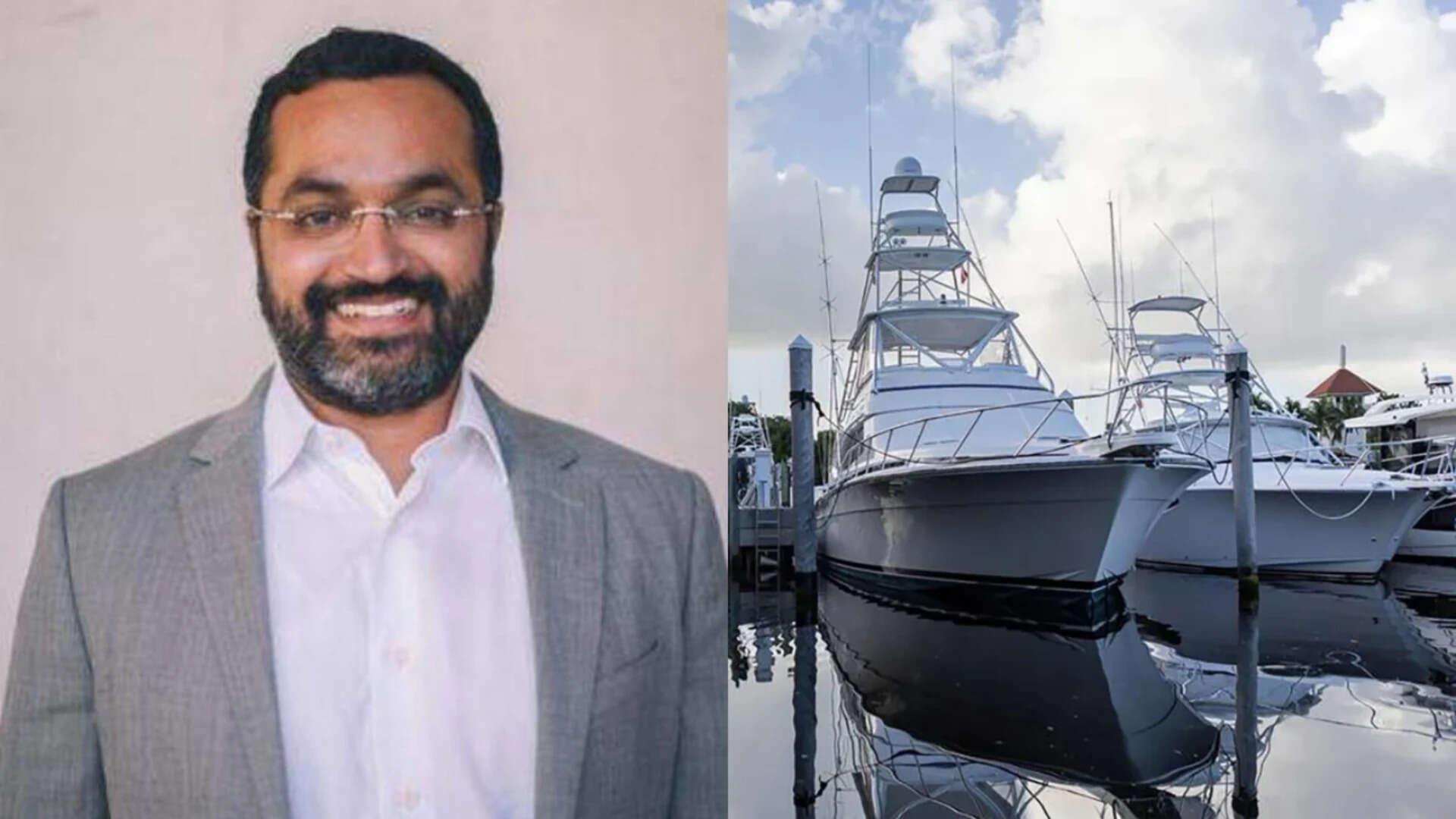
To the spreadsheets of a policy researcher, that looks like a failure. But to an investor like Nathan Halberstadt, it’s a feature, not a bug. He argues the drop in volume proves a harsh truth: most "top talent" wasn't actually worth the investment. If a worker isn't worth a $100,000 entry fee to a billion-dollar company, were they ever truly "essential"?
The Math of Selective Migration
Let’s be real about the old system. The $10 registration fee was a joke. It encouraged staffing firms to flood the gates with hundreds of thousands of applications, many of which were for entry-level IT roles that could easily be filled by locals. In 2024, registrations hit a record 780,000. It wasn't a search for excellence; it was a volume game.
The new $100,000 fee changes the math. It forces a company to ask: "Is this person going to generate millions in value, or are we just looking for a cheaper developer?" When you're forced to cut a six-figure check before the employee even walks through the door, your hiring standards change overnight.
The government might be losing $20 million in "uncaptured fees," but that's pocket change. The real goal wasn't a balanced budget for USCIS. It was a filter. By pricing out the mediocre, the policy ensures that the H-1B returns to its original purpose: bringing in the absolute best minds on the planet. If you're a genius building a proprietary AI architecture, $100,000 is a rounding error for a firm like Google or Nvidia. If you're doing routine maintenance, you're suddenly too expensive.
Why Investors Love the Friction
You’ll hear a lot of noise from tech lobbyists about how this "stifles growth." Don't believe it. Investors like Halberstadt look at this through the lens of social trust and economic value. For decades, the H-1B program has been plagued by fraud, with "body shops" using multiple registrations to game the lottery.
Friction is a great way to kill fraud. When the cost of entry is $10, it's easy to cheat. When it’s $100,000, the risk of getting caught or losing that capital becomes a deterrent. The reduced filing numbers show that the "noise" is being filtered out. We're finally seeing a move toward a merit-based system, even if it’s being enforced through a price tag rather than a points test.
Critics argue that this sends talent to Canada or Europe. Maybe. But the US has a unique gravitational pull. The biggest capital markets, the most aggressive VC firms, and the highest salaries are still here. If the US loses a few thousand mid-level coders to Toronto, the economy won't collapse. In fact, it might force companies to finally invest in training the domestic workforce or automating low-level tasks.
The National Interest Loophole
It's not a total wall, either. The policy includes an exception for workers in roles or industries that are in the "national interest." If you're a scientist working on a cure for cancer or an engineer in a critical defense role, the fee can be waived.
This creates a two-tier system:
- The Ultra-High Value Tier: Genuine experts who get in via the national interest exception.
- The Corporate Luxury Tier: Exceptional talent that companies are willing to pay a premium for.
Everything in the middle—the "middling skills" that the Economic Policy Institute has warned about for years—is being phased out. This is a massive shift for the tech industry, which has relied on a steady stream of relatively cheap foreign labor to keep margins high.
What Happens to Startups
The most valid criticism of the $100,000 fee is the impact on startups. A seed-stage company doesn't have $100,000 to spare on a single visa. For them, this fee is a talent killer. This is where the policy is most vulnerable. If the US wants to keep its edge as a startup hub, there needs to be a middle ground—perhaps a tiered fee based on company size or revenue.
Until that happens, startups are the collateral damage in a war against visa abuse. They’re being forced to look elsewhere, which is why we’re seeing a rise in "remote-first" international teams. Instead of bringing the talent to Silicon Valley, the work is staying in Bangalore or Warsaw.
Preparing for a High Cost Reality
If you're an employer or an aspiring H-1B candidate, the old playbook is dead. You can't rely on being "pretty good" and winning a lottery. The bar has moved.
- Focus on the Exception: If you're a candidate, your goal shouldn't just be a job offer; it should be proving your work is in the US national interest. Document your patents, your specialized research, and your impact.
- Budget for the Surcharge: Companies need to stop viewing H-1B hires as a cost-saving measure. These are now luxury hires. If you can't justify the $100,000, you should probably be looking at domestic recruitment or the O-1 visa for extraordinary ability.
- Watch the Courts: The U.S. Chamber of Commerce and other groups are already fighting this in court. The fee might be adjusted or vacated entirely depending on how judicial reviews pan out in early 2026.
The H-1B fee isn't just a tax; it's a statement about what American labor is worth. Whether you think it's a "shakedown" or a "correction," the results are clear: the era of the cheap foreign worker is over. If you want a seat at the table, you better be worth the price of admission.